
By John MacKinnon
Over the past 18 months, Alaska’s ferry system faced unprecedented challenges: a reduced budget, a strike, unanticipated mechanical and structural issues with five aging ships and a global pandemic. This spring, as the pandemic hit, AMHS had four of those ships scheduled to enter service, a workable budget in place and expected sufficient revenue to provide reliable ferry service throughout the year. Due to the dramatic decline in revenue as commerce all but stopped, the financial impacts on AMHS have been severe. Because ticket sales support the AMHS operating budget, we’re now facing a shortfall of almost $45 million. This shortfall, caused by the pandemic, equates to a budget cut of the same amount.
The resulting winter schedule is not what we expected to provide. It’s not what Alaska’s coastal communities consider to be a satisfactory level of ferry service. Last winter, the system was hit hard with unexpected mechanical issues — now our ships are in good shape, but there are not enough funds to operate them.
When our draft winter operating schedule came out, there were some complaints that we didn’t provide enough time for comment. The reality is we accept comments year-round, and we frequently adjust our schedules to accommodate requests from communities. One point to keep in mind is that most of this year’s community and school events we build our schedule around have already been canceled. Right now, AMHS needs to finalize its winter schedule so travelers can begin making reservations for our October through April travel season.
In addition to the budget issues we’re facing, pandemic conditions have added a whole new level of complexity to running our ships and keeping passengers and crew safe from another outbreak. I applaud AMHS for their outstanding response to the challenges created by COVID-19. It’s been incredibly complicated to coordinate everything, but we’ve managed to run the mainline route since late June without an outbreak. With the insidious menace of COVID-19, it’s not a matter of if, but when an outbreak will occur on an AMHS vessel, so we count every week of successful operation a blessing in these very challenging times. Our crew has done an exceptional job following protocol, and that’s been the key to continuing operations.
[Public urges work group to support ferries]
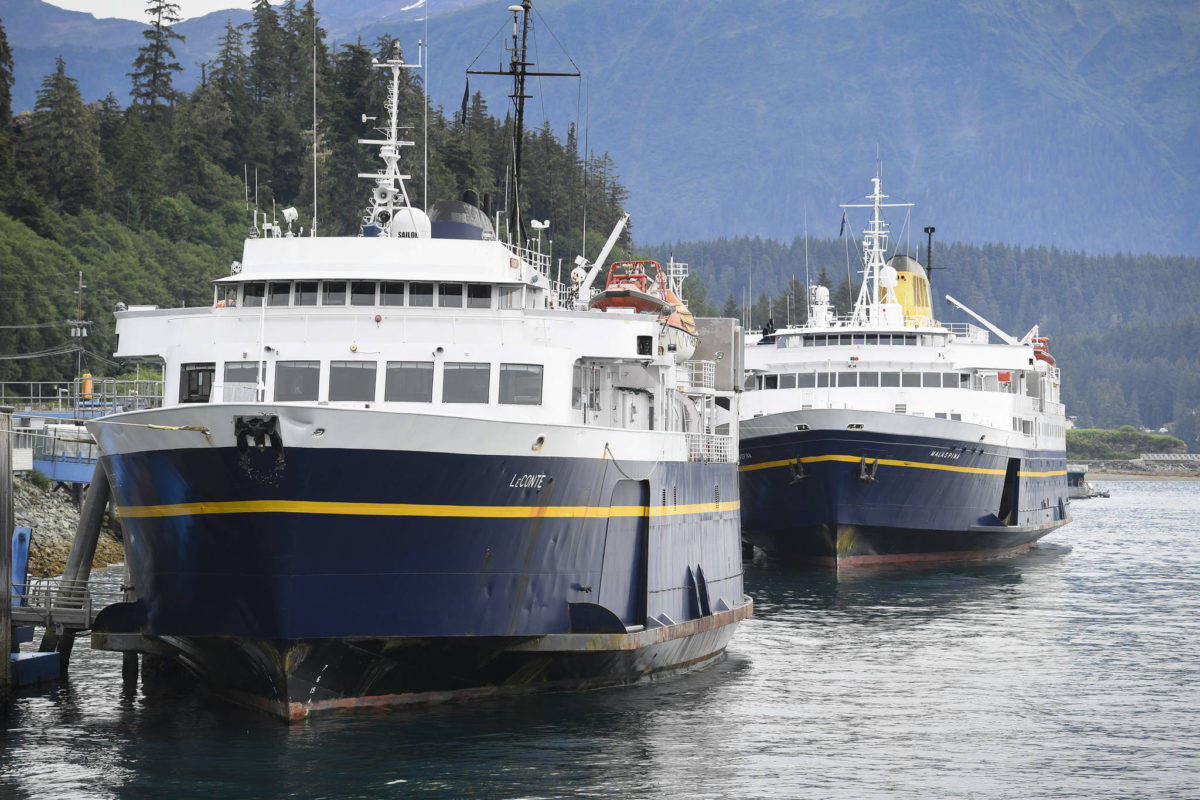
A recent incident occurred aboard the M/V Matanuska when a group of passengers learned en route that they had been in close contact with a COVID-19 positive person before they boarded the ship. Matanuska’s crew followed protocol — the affected passengers were quarantined in their cabins with meals delivered for the duration of the voyage. When several of those passengers later tested positive for the virus, we promptly tested the entire crew. Thankfully, all 47 crew received negative results, and Matanuska returned to service, but not without a one-week delay, considerable cost and lost revenue. What could have easily resulted in a shipboard outbreak and weeks of the entire ship in quarantine was averted by a quick and reasoned response from a well-trained crew.
This pandemic has affected nearly every aspect of our lives and will continue to do so for some time. The incident on the Matanuska is just one example of the commendable job AMHS is doing – they continued providing ferry service when it didn’t seem feasible. But in the midst of the pandemic, we have to accept the fact that fewer travelers mean less revenue, and reductions in service are required to keep the system afloat.
At DOT&PF, we take our responsibilities seriously for all of Alaska’s communities — those on the road system, the 35 serviced by AMHS, and the 140-plus that are neither on the road system nor on the ferry routes. The AMHS Reshaping Work Group has met regularly over the last six months, receiving input from a diverse group of stakeholders who either compete with, operate or rely on our ferry system. I look forward to the work group’s final report, and to implementing fundamental changes to keep reliable ferry service running in Alaska for the long term.
• John MacKinnon is Commissioner of the Alaska Department of Transportation and Public Facilities. Columns, My Turns and Letters to the Editor represent the view of the author, not the view of the Juneau Empire. Have something to say? Here’s how to submit a My Turn or letter.
