
It’s no secret that Alaska continues to be among the most expensive states in the country in which to live.
Our state Legislature, nearing adjournment, will likely fail to reach a long-term solution that balances changes to the Permanent Fund and taxes to help address the rising cost of living.
According to a recent survey by the Alaska Department of Labor, housing became less affordable in all parts of Alaska in 2022. Alaska’s three largest cities usually rank 30% higher than the national average in the overall cost-of-living index, which covers 56 other items in addition to housing. Groceries, utilities, and healthcare, in particular, are among the highest.
Meanwhile, Alaskans’ per capita income has shrunk in relation to the rest of the U. S.
It seems likely that a tax revenue measure may emerge from the Legislature this year, propelling Alaska’s cost of living even higher.
This will be further aggravated by statewide demographic changes that are not in dispute. Outmigration patterns and lower birthrates signal a trend that will be hard to reverse. As Alaska’s population ages and the number of our working-age Alaskans decline, we will see even more “labor shortages, slow or stagnant economic growth, less consumer demand, increased dependency ratios, and difficulty funding social programs.”
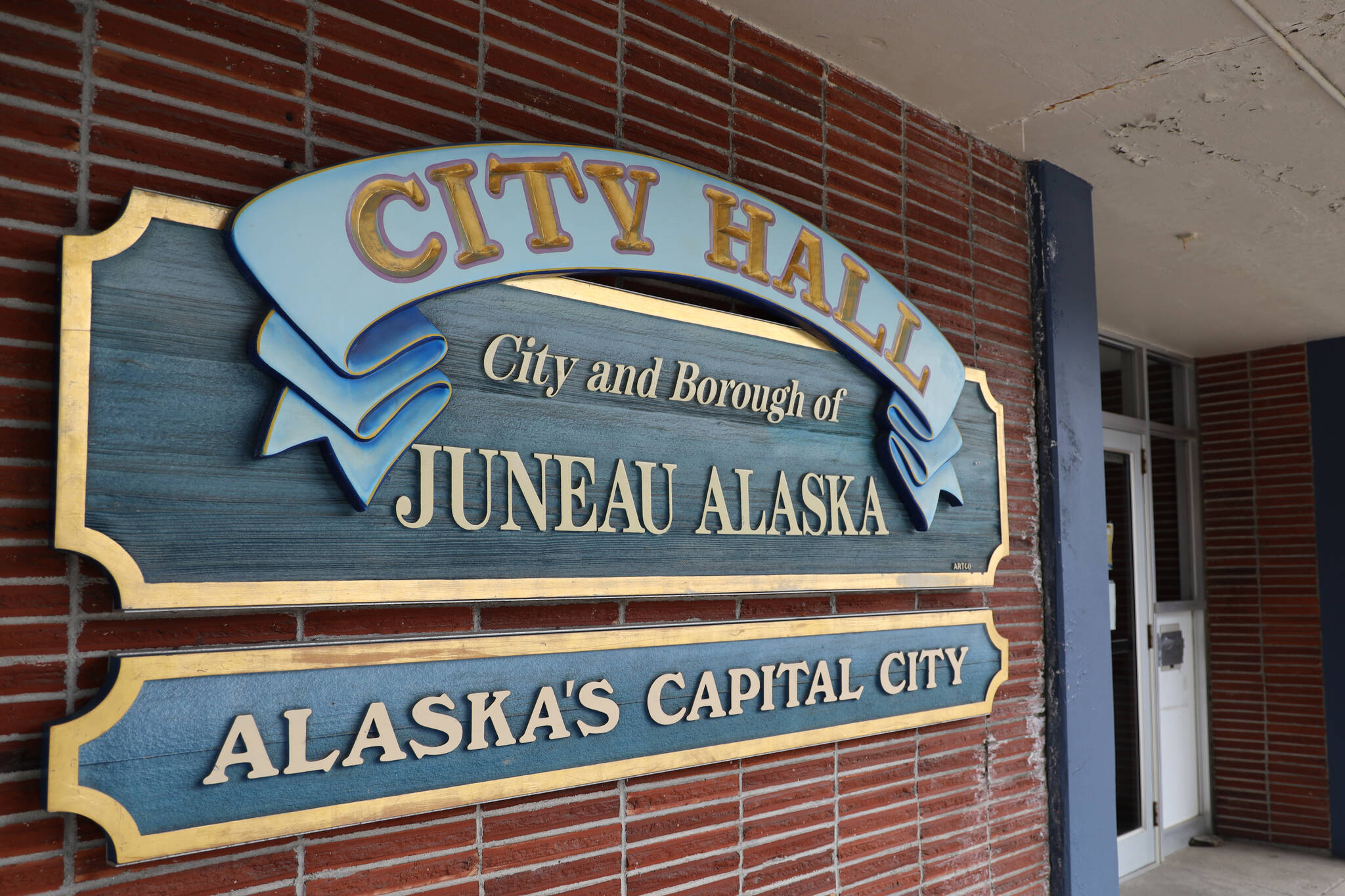
Local municipalities will be tasked with tempering these impacts through proactive initiatives and tax and regulation policies. If locally elected officials fail to recognize these connections, it will exacerbate the problem.
Examples continue to occur around the state where city leaders squander opportunities to expand their local economy, spend unwisely and rely heavily on increasing taxes.
This is the exact opposite of what local governments should do to lower the long-term cost of living in their communities.
One of most important levers available to local governments is their ability to foster economic growth. When bureaucracy, over-regulation, NIMBY-ism, and resistance to change rule the day, companies and entrepreneurs look elsewhere to do business. The promotion of foundational economic growth is necessary to stabilize the working-age population, increase the tax base and thereby lower the overall cost of living.
In Juneau, anti-cruise and anti-mine activists ignore the contributions core industries make to Juneau’s economy. The visitor/cruise industry is responsible for nearly half of Juneau’s collected sales taxes. Juneau’s two mines are collectively one of Juneau’s largest employers and its largest property taxpayer.
In light of this, a reasonable question might be, what efforts have our elected officials taken recently to encourage and support these industries?
Since 2020, Greens Creek Mine has been seeking a routine expansion of its operation on Admiralty Island 18 miles outside of Juneau. Mine operations could shut down by 2025 unless this expansion is approved. Predictably, by claiming their study shows the mine has caused environmental damage, opposition by a local environmental group may stall the expansion. Both the Forest Service and the Alaska Department of Environmental Conservation have disputed this questionable study. Thus far, the City and Borough of Juneau Assembly has written one letter of support.
CBJ is currently reviewing a request by Huna Totem Corp. to build Aak’w Landing, a new cruise ship dock in downtown Juneau. Potentially, this development could attract an estimated $150 million in private investment when all phases are complete. The city began the process by allocating $300,000 for a duplicative study intended to facilitate CBJ planners in micro-managing the project. It remains to be seen if city bureaucracy eventually kills the development.
The CBJ Assembly recently reversed its initial position and denied a permit request for a locally established company, iRide, to operate limited e-bike tours on a remote city-owned gravel road. The new tour would have supported new jobs and mitigated downtown cruise impacts.
Meanwhile, food banks in Juneau (and across the state) are dealing with a long-standing hunger crisis worsened by the pandemic and inflation. Businesses and homeowners are struggling with a precipitous increase in Juneau’s real property taxes. The Assembly’s response has been to propose $120 million in new government buildings.
Furthering our economy, lowering the property tax millage rate, and more prudent government spending will lower the cost of living.
When will city leaders connect the dots?
• After retiring as the senior vice president in charge of business banking for KeyBank in Alaska, Win Gruening became a regular Opinion Page columnist for the Juneau Empire. He was born and raised in Juneau and graduated from the U.S. Air Force Academy in 1970. He is involved in various local and statewide organizations. Columns, My Turns and Letters to the Editor represent the view of the author, not the view of the Juneau Empire.
