
By Rich Moniak
This week, the price of Alaska North Slope crude oil topped $125 per barrel. The average price for a gallon of regular gas broke the record set in the summer of 2008. And as happened that year, the House Majority coalition wants to add an energy relief supplement to every Alaskan’s Permanent Fund Dividend.
I’ve got two problems with this proposal.
First, it doesn’t square with the regressive tax argument used by many when then-Gov. Bill Walker first reduced the size of the PFD to help pay for state government. They were right that it created more hardship for Alaska’s most vulnerable citizens.
In this case, those in need and the financially secure will get the same amount of government aid. That’s a regressive entitlement.
Think about the state’s Power Cost Equalization Program. It provides economic aid to Alaskans who would otherwise be paying three to five times higher electricity rates than residents in Anchorage, Fairbanks, and Juneau. There’s no public outcry that PCE is unfair because we don’t want or expect that kind government help with our electrical bills.
Within our own communities, household heating bills aren’t equal. It’s risen dramatically for those that burn diesel fuel. But the cost of heating a home with electricity hasn’t changed.
Gas consumption for essential travel isn’t the same everywhere either. The average commute to work is longer for residents in Anchorage than here in Juneau. But it’s 50 percent longer here than in Sitka and more than double the average in Haines and Skagway. It’s also true that people living in the valley, North Douglas and Lena Point who commute to downtown spend a lot more on fuel than downtown residents who can walk to work.
Then there’s the matter of personal and household wealth.
Two years ago, a Federal Reserve study concluded almost 40% of Americans didn’t have sufficient savings to cover a $400 emergency bill. About a quarter of them lacked the means to borrow money. Regardless of why they’re struggling financially, providing energy relief to them is a lot more justifiable than to a couple with an annual income of $200,000.
Finally, there are a lot of school aged children living with their parents who won’t be expected to put their $1,300 relief aid toward the family’s fuel and utility bills.
That said, the main objection I have to this proposal stems from the fact that the war in Ukraine is why the state suddenly has $800 million in additional revenue to foot the bill.
A year ago, Alaska crude returned to its pre-pandemic price range between $60 and $70 per barrel. It hovered there until the fall when the omicron variant pushed it above $80. Even though it climbed to almost $90 by the start of the legislative session, only Gov. Mike Dunleavy was calling for an extra PFD payment. But his proposal had nothing to do with higher energy costs.
After the White House warned of an imminent Russian invasion of Ukraine, the price of oil moved closer towards $95. Then a week after the war began, it hit $105, and the Majority coalition announced their energy relief proposal.
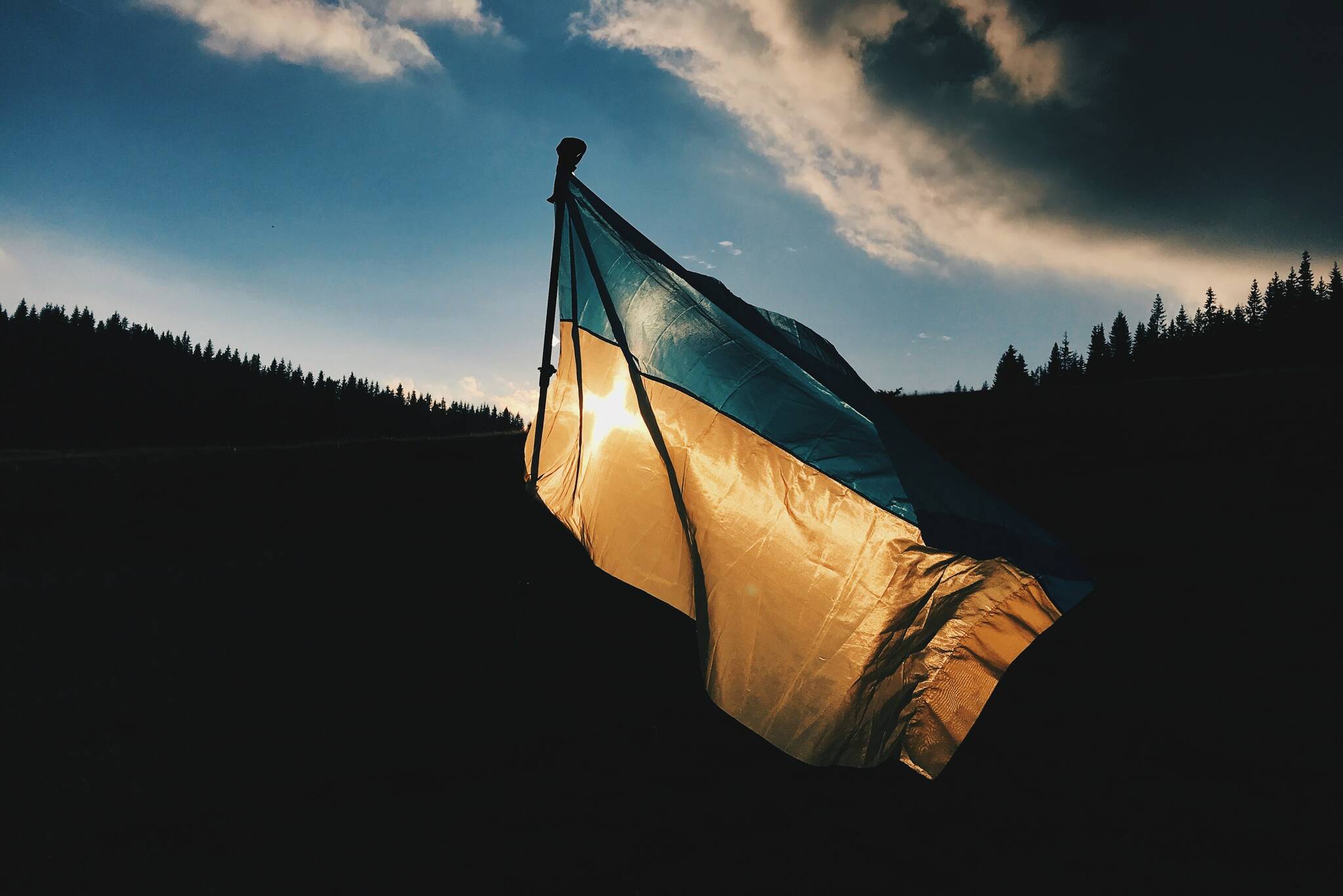
Meanwhile in Ukraine, women, children and elderly citizens are being killed by Russia’s ruthless attacks on civilian facilities. Millions of people like us are war refugees. And men between the ages of 18 and 60 are risking their lives and dying to defend their country.
It’s impossible not to recognize that Russia’s invasion is the primary factor contributing to the dramatic improvement in the state’s short-term budget outlook. And that it’s the reason why everyone might see $1300 added to their PFD.
I don’t need or want that extra money. I’d rather see it go to Ukrainian humanitarian aid.
I’m sure others do too. That’s why I’m suggesting a coordinated effort by the state. It would be more effective in raising funds and directing it to the most reputable aid organizations. Just add a ‘Pick.Click.Give’ option for people willing to donate all or a portion of their $1300 windfall to the cause.
And those who truly can’t afford to give can still feel proud that Alaska is speaking with a unified voice of compassion for the victims of this unjust war.
• Rich Moniak is a Juneau resident and retired civil engineer with more than 25 years of experience working in the public sector. Columns, My Turns and Letters to the Editor represent the view of the author, not the view of the Juneau Empire. Have something to say? Here’s how to submit a My Turn or letter.
