
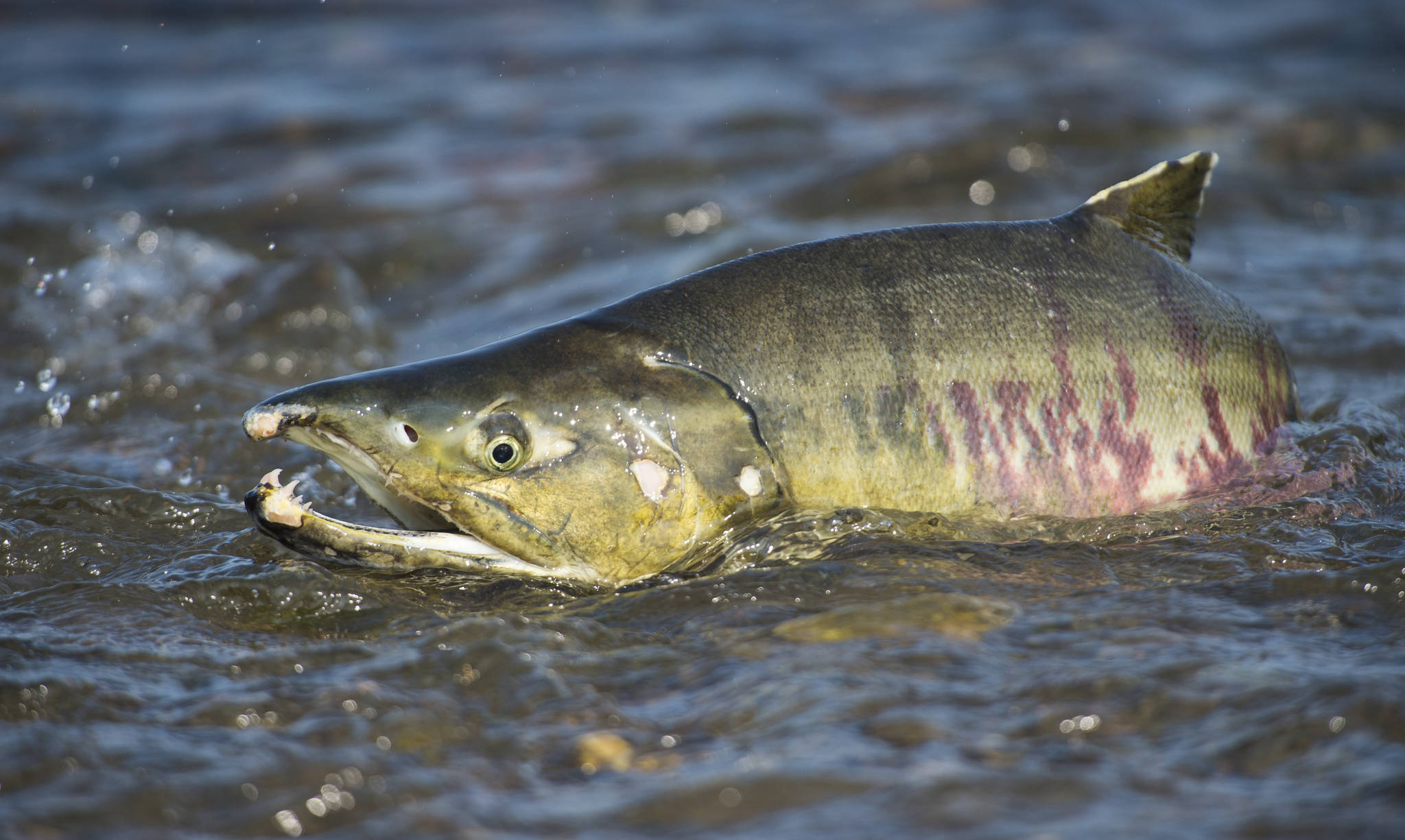
The Alaska Policy Forum is part of a nationwide network of Koch brothers-funded extreme right-wingers advocating for the privatization of public education, “right-to-work” laws and elimination of most safeguards for our air, land and water, and its recent claims that those who are advocating for updates to Alaska’s existing salmon habitat permitting laws are “outsiders” is a classic deflection. The fact is, large-scale industrial development poses real risk to Alaska’s wild salmon runs, and now is the time to modernize salmon habitat laws.
Development projects can and should happen. The question for the moment is: Will we take the steps to do these projects right? A yes on Ballot Measure 1 is the answer Alaska’s salmon, and the people who rely on them, need. A no vote leads us down the same path trod by every other region that once enjoyed salmon runs like those we still love and depend on.
In the past 15 years, Alaska’s safeguards and oversight have been eroded. The Alaska Department of Fish and Game’s Habitat Division has been hollowed out. The Coastal Zone Management Program has been eliminated. Meanwhile, federal laws like the Clean Water Act are under attack. It’s time for us Alaskans to take control of our future.
Pebble Mine in Bristol Bay is the starkest example of the current unprecedented threats to Alaska’s salmon. But the threats aren’t just on the horizon. Recent system failures and a couple near misses can also teach us a lot.
We saw first-hand how threadbare the existing safety net truly is in 2011 when an Australian mining company operated for two years in total disregard of the permits and agreements entered with ADF&G and the Alaska Department Environmental Conservation. In August of that year, a U.S. Fish and Wildlife Service biologist flying a survey over the Salmon River near Goodnews Bay observed discharge from the Platinum Creek Mine, which was causing extremely turbid waters in the river. For two full mining seasons XS Platinum Inc. dumped a toxic slurry of untreated placer mining wastewater from its Platinum Creek Mine into the Salmon River, compromising the survival and habitat of salmon and other fish species in the waterway.
In 2014, five officers and employees of XSP were indicted for conspiracy to violate the Clean Water Act, violations of the Clean Water Act permits issued by EPA and ADEC and for submitting false statements to state and federal permitting agencies. The state did not join in the case or pursue any additional prosecution. To add insult to injury, several company officials avoided punishment when they skipped the country. This is clearly a system in need of an update.
Salmon dodged a major bullet in the proposed Chuitna strip coal mine on the west side of Cook Inlet. The first phase called for the strip mining of coal through 13.7 miles of salmon spawning and rearing habitat, the removal of 1,361 acres of wetlands and the discharge of 7 million gallons of water a day into the Chuitna River. A total of 57 miles of salmon stream were ultimately at risk. The proponent of the project, PacRim, said they would rebuild the salmon stream when they were done, a feat no mining company has ever accomplished anywhere on Earth. The only thing that stopped this travesty was the market — a ton of coal is now worth less than a king salmon. This is cold comfort, especially when state officials are saying they are open to another proposal to mine the area.
Finally, there’s the proposed Susitna-Wantana Dam project, shelved by Gov. Bill Walker due to cost. Mega dams are terrible for salmon. We know this. Yet a state agency pushed the project anyway. It’s a ridiculous situation in which those responsible for stewardship of salmon runs were asked to sit on the sidelines while another state agency pushed a plan to fundamentally alter one of Alaska most important salmon systems. Again, clear rules and reasonable laws and regulations did not stop Susitna — it was cost.
The rest of the Pacific Northwest, after approving these same kinds of projects without protections for salmon habitat, has spent billions of dollars to restore once-thriving salmon runs. Alaska is heading in that direction, but it’s not too late. A yes vote on Ballot Measure 1 on Nov. 6 allows us to chart a better course.
• Longtime Alaskan conservationist Tim Bristol is the executive director of SalmonState. He lives in Homer. My Turns and Letters to the Editor represent the view of the author, not the view of the Juneau Empire.
