
By Win Gruening
Among the more important obligations of a modern municipal government are providing for public infrastructure and promoting economic growth and development. Elected leaders often struggle to balance these two responsibilities so that each fairly serves their constituents and contributes to the overall health of the community.
When these responsibilities are out of balance, the community suffers.
Seemingly comfortable with an endless appetite for all sorts of public/non-profit projects, Juneau’s Assembly appears to give little thought to supporting the citizens and private sector that will ultimately pay for their largesse.
The Assembly has blithely approved funding for extraneous projects costing millions of dollars in the last year. Some, such as $1.5 million for the Sealaska Heritage Foundation Art Campus project, are purportedly one-time expenditures. Others, like the million-dollar vote-by-mail initiative that provides no benefit, will continue to drag down the budget for years to come.
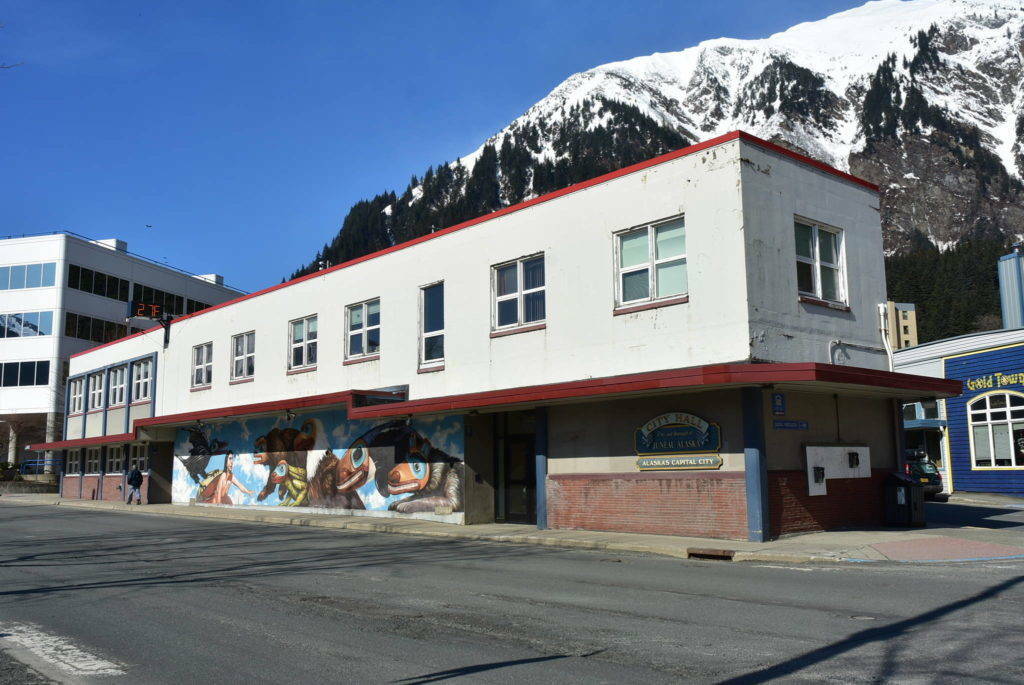
But those examples are dwarfed by two new projects, the re-imagined Centennial Hall/Juneau Arts & Cultural Center development and the proposed new City Hall. The CH/JACC venture (now dubbed Capital Civic Center) that was proposed as a way to save money has now morphed into a consolidated city-owned endeavor with a preliminary (and staggering) price tag of $77 million. Together, the two projects could cost in excess of $100 million.
When first discussed several years ago, the estimated cost of a new city hall was pegged at almost $27 million. Who knows what it could cost today with current supply chain issues and rampant inflation?
Centennial Hall upgrades costing approximately $4.5 million were approved by voters in 2017 and those improvements (now underway) are not included in the estimates above. The JACC project was initially slated to cost $18 million – all privately funded by the arts community except for the city’s contribution of the land and a $1 million donation.
After years of sustained effort, JACC supporters have been unable to raise more than an additional $5 million toward their project. In 2019, they insisted the city provide an additional $7.5 million towards the estimated cost but the funding was decisively nixed by Juneau voters.
So given all that, how did city officials allow the already controversial JACC project to escalate into the risky mega-million behemoth being proposed today? And do projects of this size even make sense given Juneau’s economic and demographic trajectory?
Those are questions to be explored in future columns but, as a backdrop, I propose a wider discussion about how community elected officials and their staff have been empowered to develop a revenue and expenditure scheme that allows them to dole out significant amounts of money for favorite causes with little public oversight.
In normal years, the CBJ annual general governmental operating budget of approximately $100 million is offset more or less by a $50 million contribution from property taxes and an equal amount from sales taxes. Yet, CBJ management has engineered outsized and unnecessary accumulations of reserves – sometimes approaching $40 million. This is far in excess of what is required to run the borough on a daily basis.
In effect, our government is “over-collecting” property taxes through higher millage rates, socking it away, and then parceling it out in million-dollar chunks for pet projects that may or may not be justified. So it’s no big deal when assemblymembers, as they just did last week, unanimously vote to spend $2 million for a design study for a $77 million Capital Civic Center before they have a clue how much the public would be willing to spend.
Assemblymembers spin the Capital Civic Center as a “different” project because it is has a new name and is now totally owned by the city. Therefore, they can ignore issues raised previously by citizens who objected to this level of profligate spending without the economic base to support it.
With our population stagnant and economy under stress, our elected leaders might reassess their priorities. It’s time to consider lowering taxes which helps promote more affordable housing and support serious economic development initiatives that would reduce the cost of living by increasing our tax base. Wildly speculative expenditures on government-owned facilities do little to stabilize or grow Juneau’s economy.
More to come…
• After retiring as the senior vice president in charge of business banking for Key Bank in Alaska, Win Gruening became a regular Opinion Page columnist for the Juneau Empire. He was born and raised in Juneau and graduated from the U.S. Air Force Academy in 1970. He is involved in various local and statewide organizations and currently serves on the board of the Alaska Policy Forum.
Columns, My Turns and Letters to the Editor represent the view of the author, not the view of the Juneau Empire. Have something to say? Here’s how to submit a My Turn or letter.
