
By Kate Troll
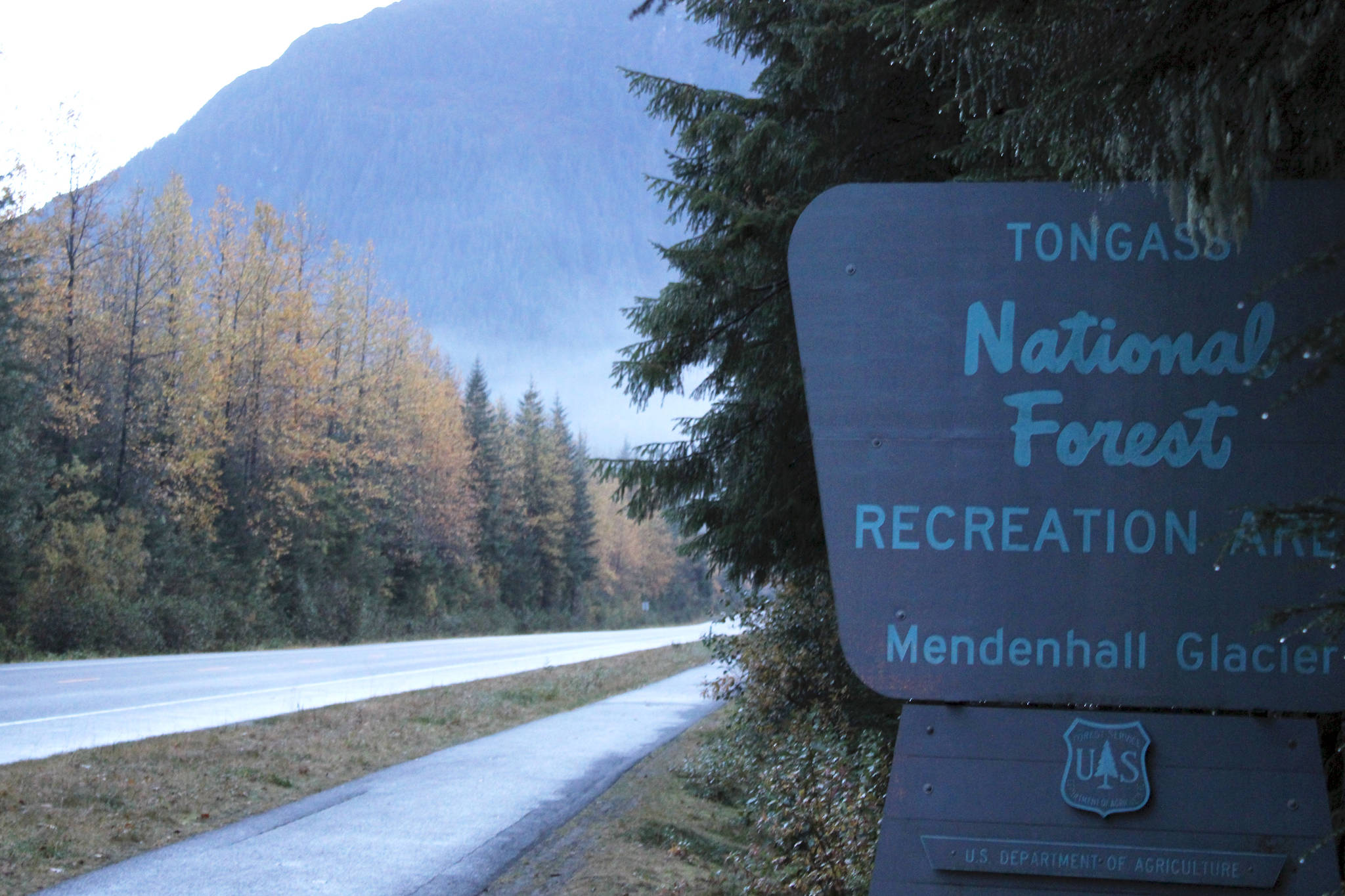
If, in terms of storing carbon and releasing oxygen, the Amazon Rainforest is considered to be the lungs of the planet, then the Tongass Rainforest is a bronchial artery. The Tongass Forest stores 44% of all the carbon stored in national forests and is considered to be a globally important carbon sink. As such, President Joe Biden’s recent action to reverse course and end clearcutting of old growth in the Tongass is a much-needed breath of good news on the climate front.
Right now, the headlines are about a planet too hot and besieged by the impacts of climate change. Protecting old-growth forest, some of which store carbon for 800 plus years, should be seen an essential climate move. Although Alaska being the poster state for climate impacts for literally decades, Biden’s action to reinstate the Roadless Rule catches the ire of Alaska’s political leaders. However, it’s an ire that does not hold up to scrutiny.
In a joint press release by the all-Republican Alaska Delegation, Sen. Lisa Murkowski says this about President Biden’s recent action, “Repealing the Tongass exemption from the 2001 Roadless Rule is wrong. It will cost jobs, diminish income, keep energy prices high, and cripple the ability of the communities in the region to develop a sustainable, year-round economy.” Not to be outdone is Sen. Dan Sullivan who says, “Like many Alaskans, this morning I read the news that the Biden administration will be imposing sweeping, bureaucratic restrictions shutting down economic opportunities on Alaskans’ lands.”
Such a composite assessment of economic demise makes one think that the loss of jobs associated with old-growth logging must be vast and significant in. Actual jobs numbers contained in the “By the Numbers 2020”, a report prepared by Southeast Conference, a business support organization tell a different story. As of 2019 timber jobs in Southeast numbered 372; that’s less than 1 percent of Southeast Alaska’s total jobs. By comparison the visitor industry accounts for 8,394 jobs or 18 percent of the jobs and the seafood industry accounts for 8 percent. Together tourism, recreation and fishing represent 26 percent of the jobs in Southeast. These are jobs dependent upon an intact, sustainably managed forest. These are jobs that benefit directly from Biden’s action to reinstate the Roadless Rule. These are the jobs that Agriculture Secretary Tom Vilsack speaks about in the Washington Pose when he says, “This approach will help us chart the path to long-term economic opportunities that are sustainable.”
Furthermore, the Roadless Rule does not prevent all roads. The Roadless Rule protects against clearcut logging and logging roads. Since it was established, all 57 requests to build roads that benefit community and economic interests, ranging from hydro development to community infrastructure needs, were granted by the Forest Service.
This track record of road approval is often overlooked. For example, Alaska Governor Dunleavy responded in the Washington Post: “Our state’s southeast communities need fundamental access, like roads, and the economic development and resource development opportunities roads provide.”
With a significant portion of Southeast’s economy benefiting from an intact, sustainably managed forest, it should not be a surprise that a majority of Southeast Alaska residents support the Roadless Rule. But to many pro-logging folk, it is a surprise. In May of 2019, when President Trump was seeking to roll back the Roadless Rule, Trout Unlimited did a poll and found that 60 percent of Southeast residents supported keeping the Tongass Roadless Rule in place.
So not only does the Roadless Rule reversal benefit 26 percent of Southeast Alaska’s economy as opposed to the less than 1% it harms, it is what locals want. As such, President Biden’s recent policy action on the Tongass National Forest wins on three levels – Climate, Jobs and Community.
This is not the first time President Biden has bolstered jobs and the communities of Southeast. Let’s not forget that in May of this year, President Biden signed the Alaska Tourism Restoration Act allowing cruise ships to bypass Canada and head straight for Southeast. With the stroke of his pen, Biden opened up the Tongass to thousands of much-needed visitors that will help re-start the economies of communities from Ketchikan to Hoonah to Skagway. With the latest announcement on Tongass protections President Biden not only protects the visitor attraction he has just opened, he also scores a major climate win ahead of the upcoming U.N. Climate Change Conference in Glasgow, Scotland.
• Kate Troll has been involved in Tongass management since 1990 when she represented United Fishermen of Alaska before Congress. Sitting in the government seat, she served on the Tongass Advisory Committee, a federal advisory committee appointed by Agriculture Secretary Tom Vilsack in 2015. :
