
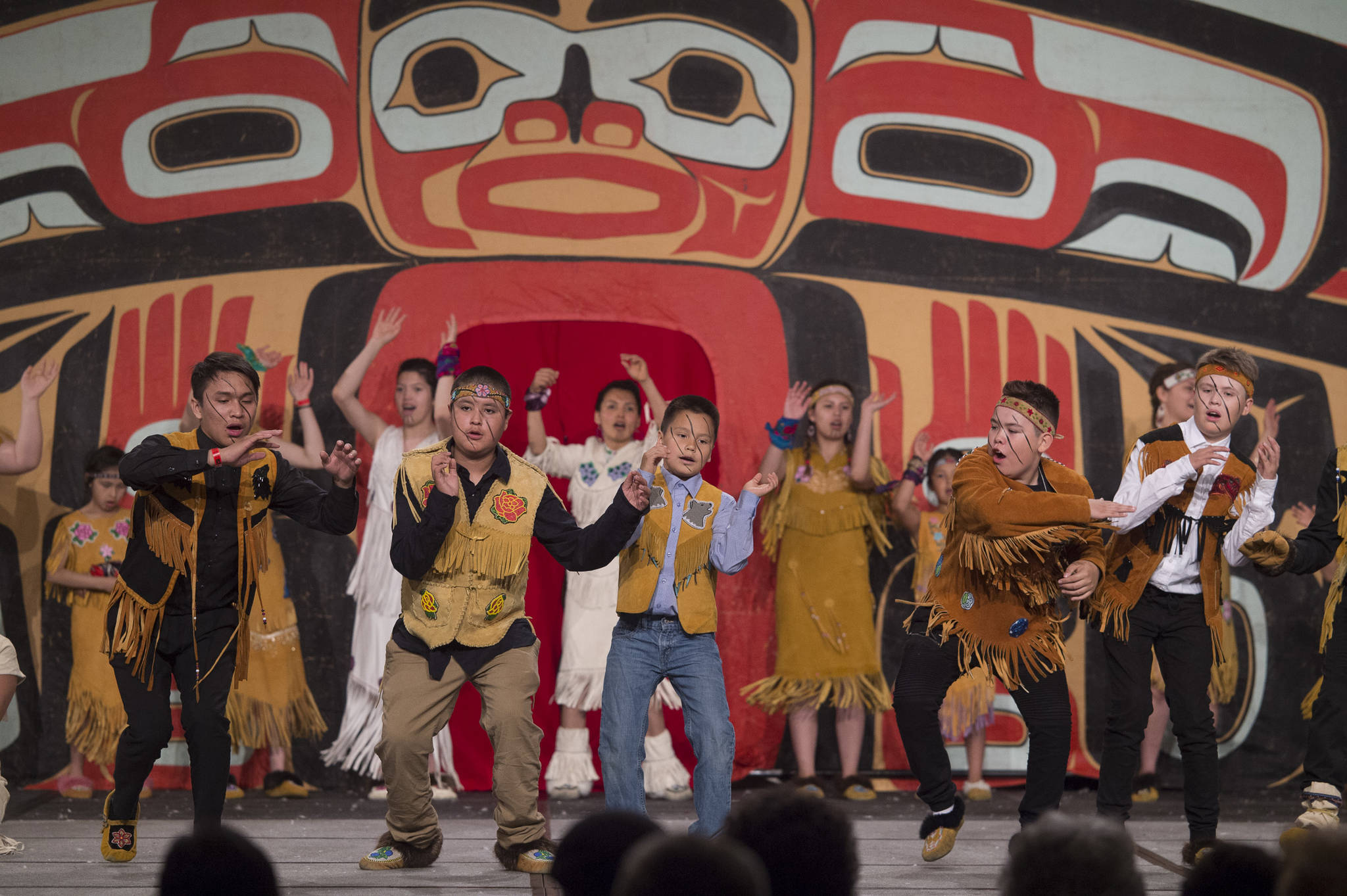
The arts are appreciated for their uplifting effect on the human spirit. What is sometimes called the “intrinsic value” of arts and culture springs from the potential of music, theater, dance, painting, sculpture and other art forms to inspire joy, amusement, introspection, sadness, hope and calmness in the human mind and soul.
These emotional responses to artistic stimuli help us connect with ourselves and make us better able to live in the world and interact with our fellow humans.
Another side to the arts, less quantified through human history until recently, is described as “instrumental value,” including the economic impact of creative activities. The arts are a tremendous economic driver; the federal Bureau of Economic Analysis estimates the arts and cultural sectors contribute $763 billion annually to the Gross Domestic Product.
In states where 30 percent or more of the population lives in rural areas, arts and culture contributed a national aggregate of $67.5 billion in 2015, from the highest amounts in North Carolina and Tennessee, with the largest rural arts economies, through South Carolina, Alabama, Kentucky, Oklahoma and Iowa where the value added ranges from $4-5 billion annually.
[Opinion: Our schools are challenged, but thriving]
In Alaska, arts and culture contribute approximately $1.4 billion to the economy, employing some 11,000 people, clearly a significant part of what makes a prosperous, high-quality life on the Last Frontier possible and sustainable.
Earlier this month, I was in our nation’s capital to participate in a policy briefing about recent research findings on how important the arts are to economic well-being in rural America.
The National Endowment for the Arts (the NEA, our nation’s arts agency) partnered with the National Assembly of State Arts Agencies (NASAA, which counts all State Arts Agencies as its members) to look at arts activity and jobs in rural America to produce an analytic assessment tool. The third partner was the bipartisan National Governor’s Association (NGA), which strives to help chief executives in every state find the best practices to accomplish great things in the differing states-as-laboratories that comprise our great nation.
The United States is becoming an increasingly urban country, and concentrated metropolitan areas benefit from accumulated wealth and economic activity that can make it easier for residents to thrive and prosper. But Alaskans, and the other 60 million Americans who live in rural parts of America, are proud to live where we do, with both the challenges and freedoms that come with rural living.
[Opinion: Funding is vital to protecting, improving health of Alaskans]
Rural America has many distinct historic elements, but the charm of history and rusticity doesn’t offset declines in traditional economic activities or remedy the ills that have come with declining populations and diminishing historic sources of employment.
Arts and cultural activities help rejuvenate rural communities, providing a means to face down problems like the opioid epidemic and the criminal activity it has engendered. Finding ways to promote arts and cultural activity is one of the most effective ways to put rural America back on the path to health and wealth.
The study unveiled in Washington, D.C. earlier this month can be accessed online at nga.org/wp-content/uploads/2019/01/NGA_RuralArtsReport.pdf. It contains practical assessments of what has been shown to work in differing rural contexts. The creative sector has most potential to effect positive change when a comprehensive plan is built on clearly identified assets and specific needs.
Statistical figures on unemployment, educational attainment, population immigration and emigration, and the size and nature of various industries are key metrics to chart a course forward. The briefing was live streamed on Facebook at facebook.com/NASAA.Arts/videos/2436268953063511/.
All of Southeast Alaska is rural, and we face many challenges that have beset other rural American communities. The loss of some of the traditional job sources from downsizing government and changes to the natural resource sector require a response. One area of continuing economic growth is the visitor industry with record numbers of people expected in 2019.
Arts and culture is a logical way to support and strengthen the visitor industry, by featuring our history, expanding existing physical infrastructure to accommodate growing need, and maximizing returns to year-round residents and our communities.
This can and should lead to more stable jobs with good wages, ultimately creating more resources for transportation, housing, education, public safety, health, and arts and cultural assets for the benefit of all.
• Benjamin Brown is a lifelong Alaskan and an attorney who lives in Juneau. He serves as chairman of the Alaska State Council on the Arts and the National Assembly of State Arts Agencies. My Turns and Letters to the Editor represent the view of the author, not the view of the Juneau Empire.
