
By Sandra Moller
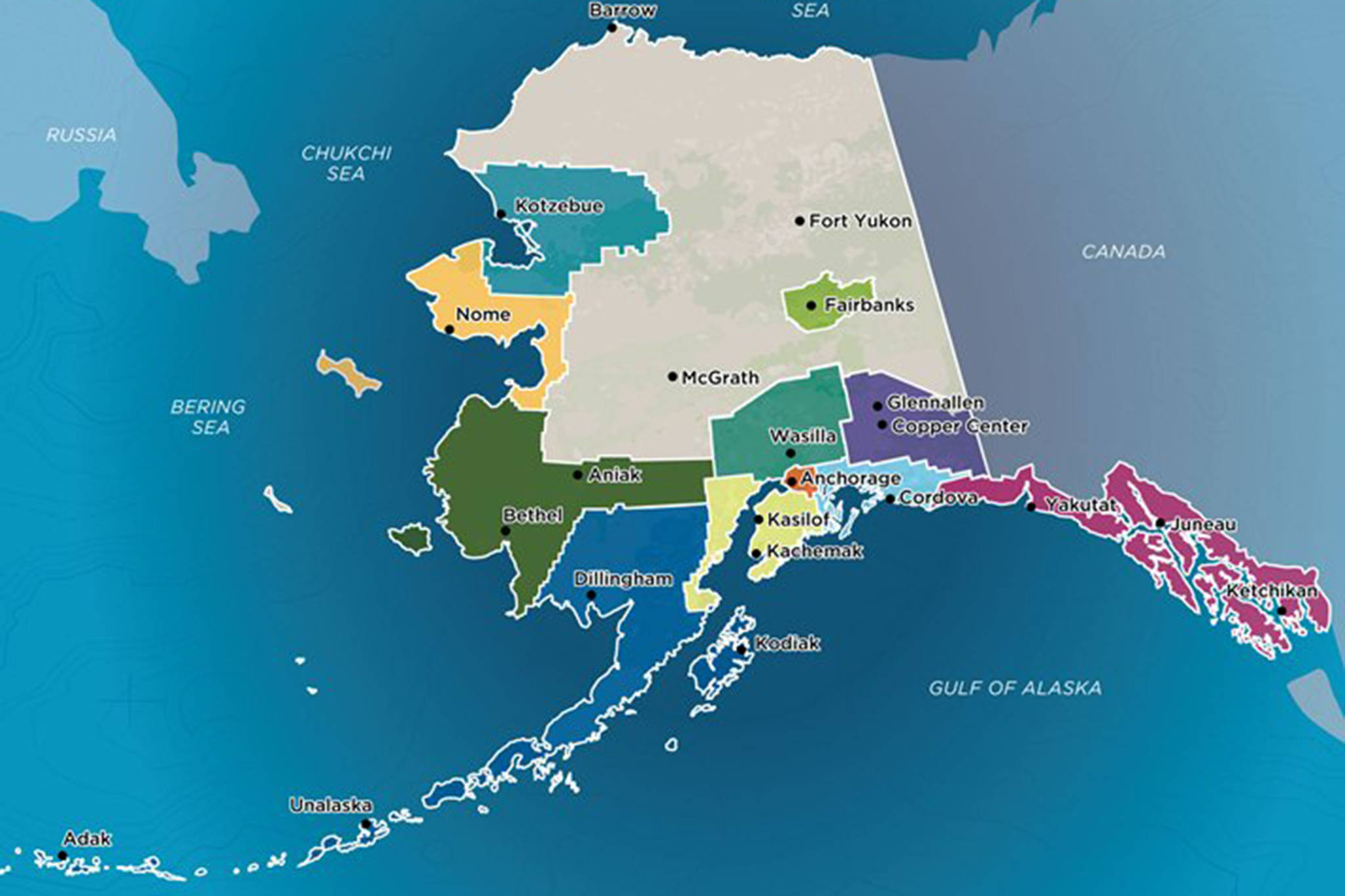
Recognizing that Alaska is one-fifth of the size of the Lower 48, a one-size-fits-all approach doesn’t work for our state. Local leaders best understand regional and local conditions, challenges, and opportunities, and are best suited to head efforts to improve the economies and quality of life in their part of the state. To capture this spirit, the Alaska Regional Development Organizations network was formally established in 1988 with the founding purpose to plan and support economic development in their respective region and local communities.
The ARDORs provide customized economic development leadership across Alaska. They take into consideration natural resource development, tourism, and other local economic drivers unique to their regions. The local knowledge inherent of the ARDORs ensure they can advocate, develop, and facilitate the creation of sustainable projects tailormade for their region of the state.
There are currently nine ARDORs in the state of Alaska, representing areas as far north as the Northwest Arctic Borough, stretching south into Western Alaska and the Aleutians, and further east into the Southeast Alaska Panhandle: The Anchorage Economic Development Corporation, the Bering Strait Development Council, the Copper Valley Development Association, the Fairbanks North Star Borough Economic Development Commission, the Kenai Peninsula Economic Development District, the Northwest Arctic Borough Economic Development Council, the Prince William Sound Economic Development District, the Southeast Conference, and the Southwest Alaska Municipal Conference.
Since their creation, ARDORs have continued to champion some of the largest economic projects in their region including the Alaska Marine Highway System, the Red Dog Mine, increasing aquaculture, and strengthening broadband infrastructure.
The Alaska Division of Community and Regional Affairs has been a strong champion of the ARDOR program. In collaboration with the Alaska Department of Commerce, Community and Economic Development and the Alaska Industrial Development and Export Authority, DCRA and the ARDORs helped to distribute over $281 million to 5,745 small business, nonprofits and commercial fisherman across Alaska in 2020 through the AK CARES Grant program. The ARDORs have proven success in bolstering their local industries and economies; and the connections they hold with local business owners in their regions has been and will be highly valuable in re-building Alaska’s post-COVID economy.
To highlight the work of the ARDORS and provide place-based economic information for communities within the ARDOR boundaries and within the state of Alaska as a whole, DCRA has created a supplemental site to the Community Database Online focusing on key economic indicators. The CDO has always been one of the greatest sources of community-based data all in one location, and this compendium site will further aid the DCRA’s mission to help Alaska’s communities build sustainable economies and a means of self-governance.
By utilizing existing datasets, DCRA has produced targeted interactive data products about the economic health of communities. Data products include Made in Alaska business directories, a detailed overview of the Qualified Opportunity Zones of Alaska, an interactive application spatially displaying all commercial fishery revenue and reports on local fuel costs in rural Alaska.
Additionally, each of the ARDORs have been given a page within the site to outline their missions, goals, and accomplishments. Through this partnership, the ARDORs are better able to make their work more transparent to the public and their key stakeholders. Users are encouraged to check back often, as new information and data products are continuously being developed and added to the site.
DCRA recognizes this data is needed now more than ever as communities and local businesses need quality data to make informed decisions on how they will continue to thrive in a post-COVID economy. We hope that through our collaborative partnership with the ARDORs, DCRA can continue to support strong communities and healthy economies.
DCRA’s Alaska Economic Data website can be found at https://alaska-economic-data-dcced.hub.arcgis.com and includes links to the ARDORs hub page. For more information on the ARDOR program or links to the ARDORs individua websites, visit https://www.commerce.alaska.gov/web/dcra/ARDORs.
• Sandra Moller is the director of the Division of Community and Regional Affairs within the Department of Commerce, Community and Economic Development.
