
It was just over five years ago, in the summer of 2019, that the strategic prescience and unorthodox diplomatic brilliance of America’s re-elected Commander-in-Chief, Donald J. Trump, was on full display for all the world to see, from Northeast Asia to the Arctic.
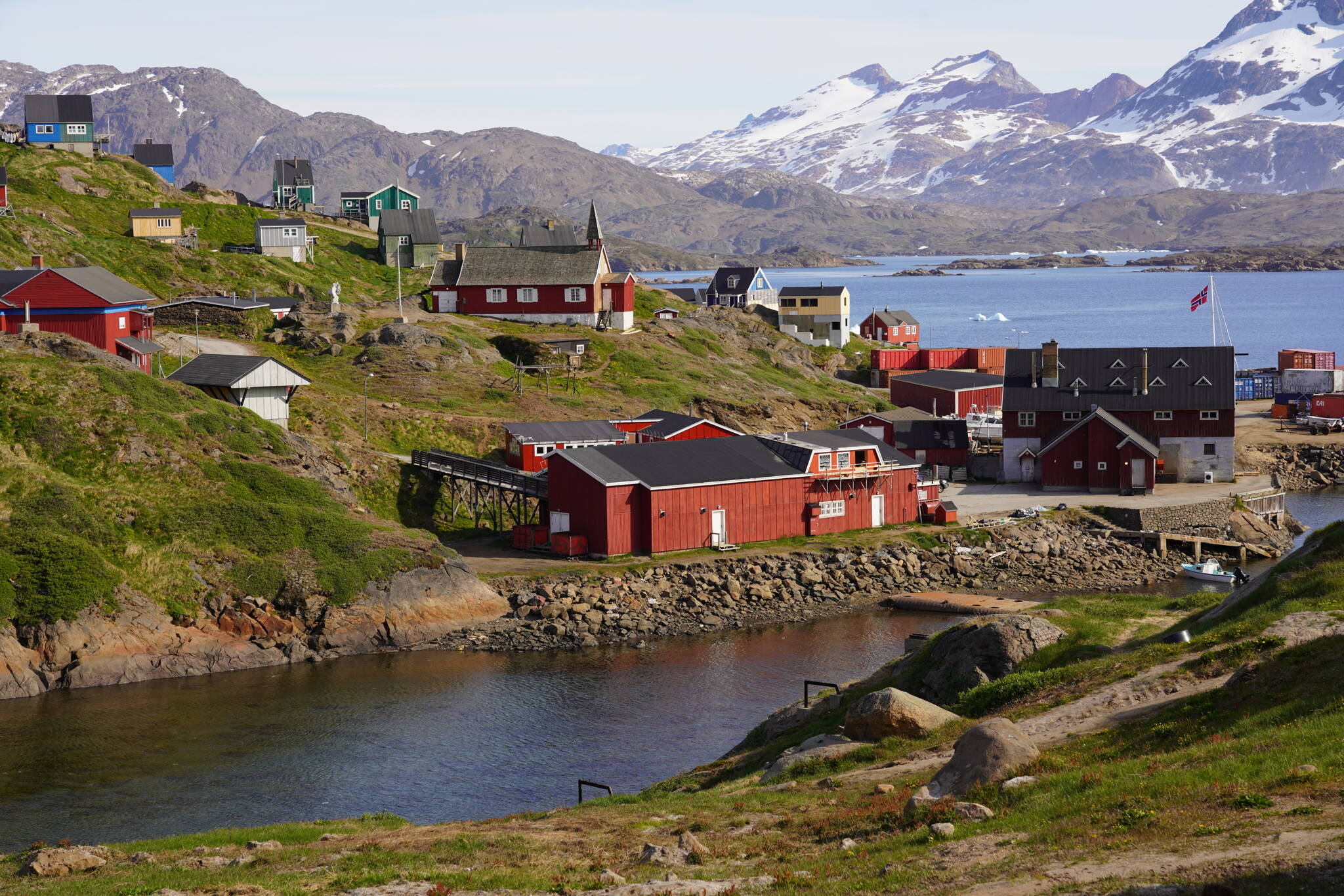
This nostalgic summer of diplomatic love started with the historic summit in Korea’s DMZ with DPRK supreme leader Kim Jong Un in June when President Trump took 20 unscripted, but potently symbolic steps into North Korea, and ended in August when President Trump spontaneously proposed purchasing Greenland from tiny Denmark, and to thus complete the decolonization of the North American Arctic that began with the Alaska purchase in 1867 — which would unify the northwestern and northeastern flanks of Arctic North America under the constitutional protection of the United States for the first time.
Trump’s Greenland proposal was both brilliant and visionary, but was nonetheless soundly rejected by both the Danes and Greenlanders, the latter which famously responded, “We’re open for business, not for sale.” Critics of Trump’s proposal were widespread both within and without the U.S. government. A disloyal federal bureaucracy sought to undermine Trump’s first presidency from the get-go. America’s deep state laughed at President Trump for his audacity, and in its woke fervor ridiculed his ambition to broaden America’s geographical footprint and in so doing, to strengthen the very fabric of North America’s continental security. Greenlanders were never given a chance to consider whether being an American state might be better, safer and more prosperous than remaining a Danish (and the Arctic’s last) colony.
Woke environmental activists and critical race theorists have unfairly portrayed Trump’s vision to expand America to include Greenland — which America has defended since World War II after Denmark fell to the Nazis – as a neo-imperial land grab against a defenseless native people. But Greenlanders, while rebuffing Trump’s first overture to purchase the island and thereby liberate Greenland from Danish colonialism, welcomed the renewed American interest that fueled Trump’s overture, which led to a $12.1 million American investment the next year, and the re-opening of an American consulate in Nuuk for the first time since 1953. Greenland has over the last decade expanded its overseas diplomatic representation offices, in search of not only investment but support for its movement for independence from Denmark — the first of which opened in Washington, D.C., back in 2014 in recognition of America’s power and influence, and which now includes Beijing as well as Reykjavik and Brussels (the latter at NATO headquarters), with Ottawa considered by many to be next.
Climate change activists have long taken aim at Trump for his dedication to America’s energy independence and commitment to the development and utilization of its own domestic energy resources (“drill, baby, drill”) — all natural prerogatives of an independent sovereign state all too often thwarted by America’s very own “green colonizers” intent on keeping Alaska’s vast reservoir of natural resources frozen for all time, and preventing Alaska from achieving the prosperity its bountiful natural resource base could easily support. Even Greenland aspires to the same, courting the energy and mining industries to help develop its own vast reservoir of untapped resources, whether under its retreating ice cap or offshore beneath its increasingly open coastal waters.
What the climate change community never understood or refused to acknowledge was that Trump’s strategic interest in Greenland reflected his recognition of the profound climatic transformation underway, most notably in the Arctic, as a result of climate change. They opposed the practicality of Trump’s approach, preferring instead to keep Greenland colonized, its resources undeveloped, and its peoples trapped in poverty and dependent on external subsidies. Greenlanders instead want to be independent, and to bring their resources to market for their own prosperity. Donald Trump shares this vision, and believed becoming an American state was in theirs and our mutual interests.
The American people have spoken, blessing Trump’s return to the Oval Office with a decisive electoral mandate, paving the way for the return of his creative, and never dull, approach to diplomacy and the prescience of his strategic vision for the world. Perhaps, as his second term commences early next year, Greenland can once again consider Trump’s offer for it to become part of the American constitutional family. They will of course demand a seat at the table, as called for in their first Arctic strategy, “Greenland in the World: Nothing About Us Without Us,” released earlier this year. But Trump has never been opposed to that. As the Arctic continues to melt, and a new and unnecessary Cold War looms north of the Arctic Circle, now is indeed an ideal time to see if the greatest dealmaker of them all is ready to add one more star to the American flag, and help bring Greenland in from the cold.
• Barry Scott Zellen is a former resident of Inuvik, Yellowknife, and Whitehorse where he was editor of the Tusaayaksat newspaper (1990-93), executive director of the Native Communications Society of the NWT (1995-98), and general manager of Northern Native Broadcasting, Yukon (1998-2000). He is a research scholar in the Department of Geography at UConn, and an author on Arctic security, diplomacy and international relations.
