
For too long Juneau’s budgeting approach has started in the wrong place — asking how much revenue the city can raise, rather than how much it should spend. As a result, taxpayers are shouldering heavier burdens every year while city government grows in cost and complexity. It’s time to change direction and bring common sense back to how we fund our local government. A property tax cap of 9 mills, coupled with the elimination of sales tax on essential food and utilities, would send a clear message: Juneau stands with its residents and will finally put affordability into action.
The status quo methodology begins with maximizing revenue — through rising assessments and taxation — rather than analyzing expenses and needs first. This backwards approach has led to a government that no longer reflects the financial realities faced by ordinary residents.
There’s currently a proposal to spend $10 million of temporary sales tax on waterfront property for a new city museum – property that would then come off the tax rolls. This may sound like a cultural investment. In reality, it’s a costly move that eliminates prime taxable real estate from contributing to our local revenues. At a time when we’re trying to replace as much as $11 million in federal funding, this shows misplaced priorities.
Most cities across the country are adjusting to a new era of less federal and state aid by tightening their belts. Juneau, however, is proposing to expand its footprint and shift the burden to homeowners and small businesses. We should plan for long-term sustainability — not buy up revenue-generating land for projects that can’t pay for themselves.
The city plans to let $1.75 million “lapse” — money budgeted for personnel but not actually spent. This is a good start but also underscores how much excess exists in the system. If nearly $2 million can go unused without affecting city operations, we should question the entire scope of our expenditures. What else are we budgeting for that we don’t truly need?
Meanwhile, residents are expected to just keep paying more. When homeowners ask why they should pay hundreds more annually because the city did not receive the same federal or state handout as previous years, they deserve more than a shrug and a tax bill.
The city should only ask for what it actually needs, and no more. And in return, taxpayers should feel confident their hard-earned money is being used wisely — not a blank check to preserve a bloated status quo. Too often, once funds are allocated, they are locked in for multiple years with little scrutiny — regardless of whether priorities have shifted, or conditions have changed.
Losing federal funding for the grant that supports Juneau’s at-risk youth shelter is unacceptable. But programs like this should be prioritized over subsidizing parking, which is estimated to cost the city anywhere between $100,000 and $200,000 annually. If we are going to talk about priorities, let’s really talk about them.
The city is planning to spend an additional $3.3 million – on top of the $14 million already set aside – for new City Hall offices downtown. While facilities age and infrastructure needs attention, many question this level of spending when voters have twice rejected bond measures for a city hall and we recently closed schools.
Which brings us to the second part of this proposal: removing sales tax from essential food and utilities. Taxing groceries and home heating isn’t just regressive – it’s wrong. These are non-negotiable expenses that hit low and middle-income families the hardest. A community that values equity should not balance its budget on its residents’ grocery and electricity bills.
We must shift to a needs-first budgeting model. Capping property taxes at 9 mills will create the discipline necessary to drive serious prioritization and efficiency. Ending sales tax on food and utilities will bring immediate relief to every household in Juneau – especially the ones that need it most.
This isn’t about slashing services. It’s about aligning city priorities with residents’ real-world concerns. And it’s about restoring trust that every dollar the city collects is being used with care and respect.
It is time to reset. Let’s cap property taxes, end sales tax on essentials, and bring accountability back to City Hall. Juneau deserves nothing less.
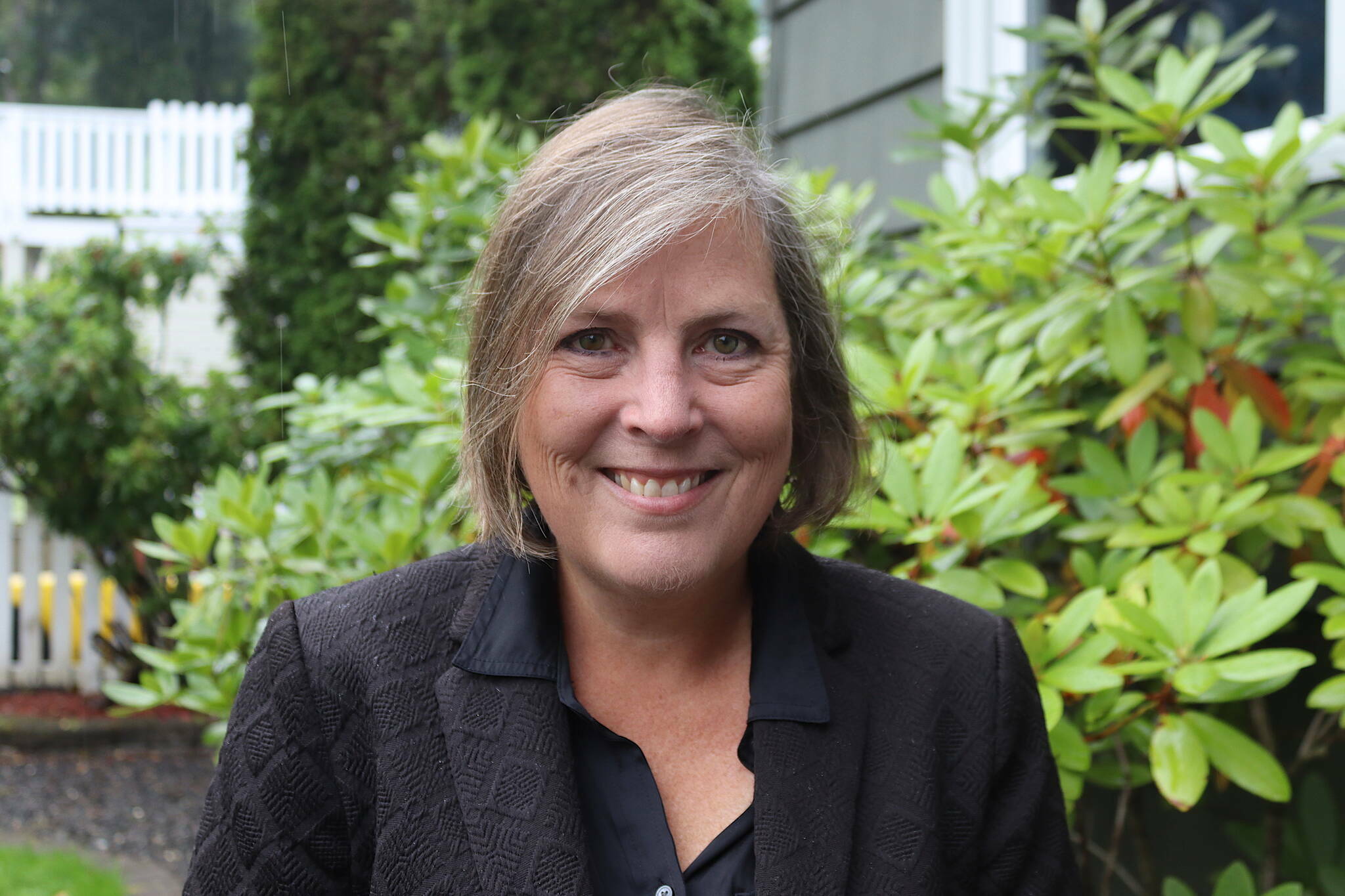
• Angela Rodell is a member of the Juneau International Airport Board of Directors, a former Juneau mayoral candidate and a member of the Affordable Juneau Coalition, which is seeking to put measures including a mill rate cap and sales tax exemption for food and utilities on the fall municipal election ballot.
