
This August, like a lot of Southeast Alaskans, I filled my freezer with deer and salmon. I spent time helping with the Angoon Guide Academy taking youths in the field around to Angoon to help them explore the idea of developing bear-viewing tours based out of their community. Truth be told, we spent more time fishing than bear-watching. August is always a good reminder of why I have never lived anywhere other than Southeast Alaska and why I love this place so much.
I just read Secretary of Agriculture Rollins’ opinion piece in the Juneau Empire celebrating the rescinding of the Roadless Rule as a victory for Southeast Alaska. It flies in direct opposition to the wants and needs of most of us who live here. In 2019, the Trump Administration held comment periods on stripping Roadless protections. 96% of letters and comments were in favor of keeping it. More than 90% of in-person testimony in Southeast Alaska was in favor of keeping it. This included “inside interests” like local bear-hunting guides, tour operators, loggers, commercial fishermen and people like me, who live, hunt, fish and make our livings directly from the Tongass.
Why? Because the Roadless Rule doesn’t prevent the building of most roads or responsible development. While the rule has been in effect, each of the 57 hydroelectric projects, mines, and community interties projects applied for in Southeast Alaska’s Roadless areas were permitted. What the Roadless Rule does prevent is the government from going in and punching thousands more miles of taxpayer-paid million-dollar-a-mile logging roads so that a couple of corporations can clearcut the remaining old growth forest our deer, salmon and us Southeast Alaskans use every day to sustain our lifestyles.
Rescinding the Roadless Rule does not make economic sense. A quick look at the history of the Roadless Rule shows the Forest Service created it in 2001 because it was facing an $8.5 billion road maintenance backlog on roads across America. It made no sense to the agency to lose more money building more roads. Southeast Alaska has thousands of miles of Forest Service roads, many of which are unmaintained. Some of those unmaintained roads block salmon passage. More taxpayer money has gone into building these roads than the value of the timber taken out. On top of that, we now clearly understand that roads and the clearcut logging operations they facilitated have damaged fish and wildlife habitat.
The Tongass is what we locals call a “working forest.” Like a lot of folks, I make most of my living directly from the land and sea. And, like a lot of locals, the Tongass also provides my family’s food: deer, salmon and other animals we hunt and fish for. Southeast Alaska communities are developing strong public land-based economies. Tourism is the biggest private-sector economic driver in Southeast Alaska, creating more than 8,000 jobs, supporting 12,000 additional jobs and contributing well more than 1 billion dollars to the region every year. Commercial fishermen harvest millions of salmon, halibut and other species. A quarter of the West Coast’s salmon catch comes from the Tongass — and most of those wild salmon spawn in roadless areas. All of that is because the Tongass, the most intact and largest temperate rainforest left on Earth, is working for us locals.
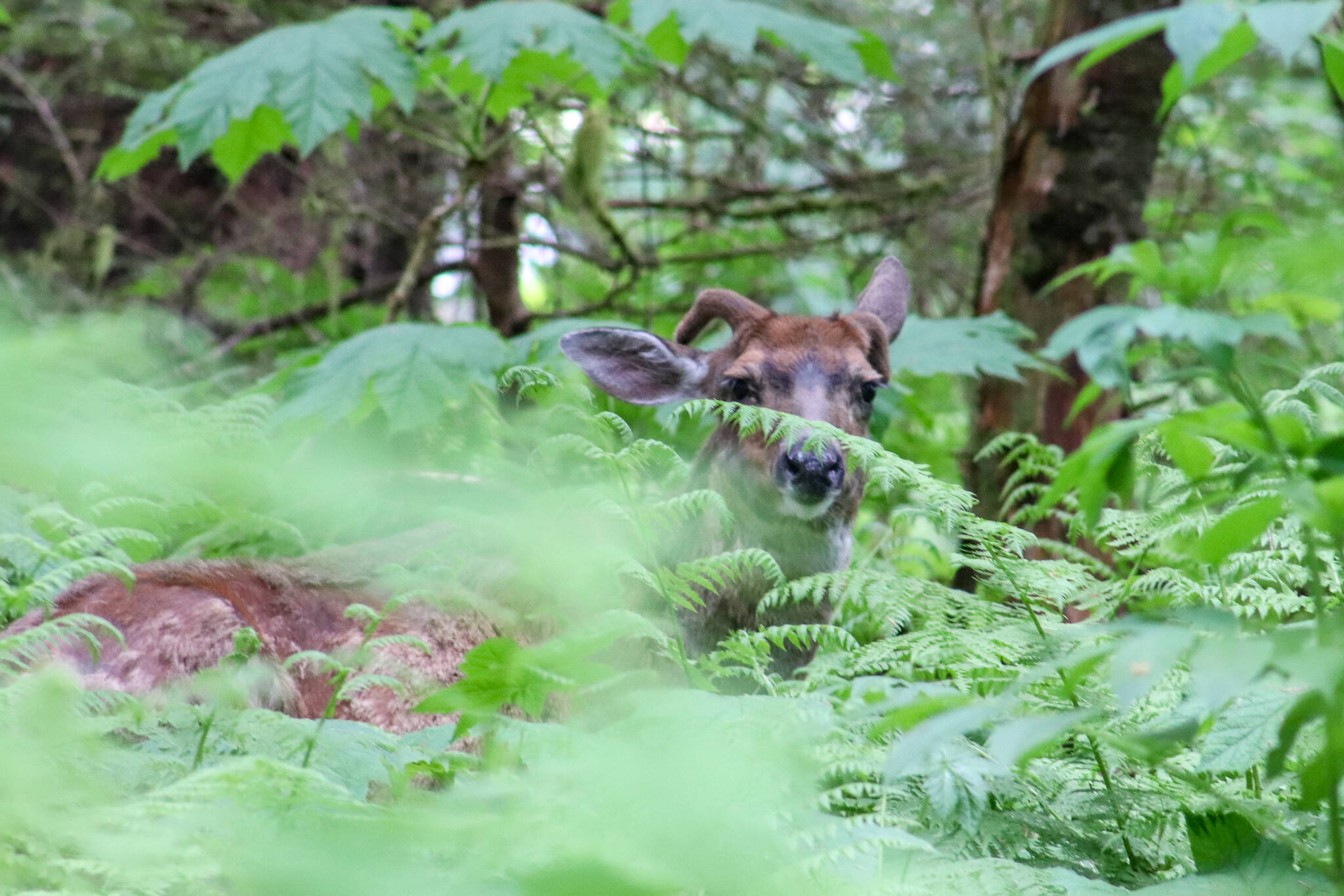
Key to this working forest is the remaining large-tree old growth forest habitat, which makes up just 3% of the Tongass. Old growth — towering Sitka spruce and hemlock, some of it 800 years old — is critical for salmon stream habitat and vital for wildlife in many ways, including providing the best wintering habitat for Sitka blacktails. Since the old growth forest is important for fish and wildlife, it is just as important for us locals and our kids.
Another way most of us would like to see Southeast Alaska’s forest work is to transition from focus on logging old growth to the expansive supply of young growth along the existing thousands of miles of Forest Service roads. There’s no shortage of wood there that could be easily accessed and logged. It would create very little controversy. Timber sales wouldn’t get held up for years and cost ridiculous amounts of money while being litigated in court. It could even be done in a way that restores fish and wildlife habitat. And it would benefit local loggers, mill operators and their communities.
Politicians can get all the talking points they want from the corporations that stand to benefit, but rescinding the Roadless Rule is not about benefiting Southeast Alaskans. It means a few people will get rich taking what’s left off our public lands while the American taxpayer foots the bill and most of us locals pay the price in fewer fish, fewer commercial fishing jobs, fewer hunting opportunities, landslides and more. In recent years the Forest Service, Tribes, Native corporations, communities, nonprofits and others have done collaborative work to create a profitable, fishing and hunting-friendly path forward for Southeast Alaska. Rescinding the Roadless Rule is in direct opposition to what most locals want and need to work, live and make a home in Southeast Alaska.
Bjorn Dihle is a lifelong Southeast Alaskan, who lives with his family in Juneau.
