
In May, I spent a couple weeks circulating petitions for the Affordable Juneau Coalition. The group gathered thousands of signatures from local residents, most of whom feel genuinely invisible to City Hall.
We talked to fishermen, carpenters, utility workers, city and state workers, stay-at-home moms and retirees. Those who signed were grateful for the opportunity to put their names on the petitions and usually had a story to tell.
There was the young woman born and raised in Juneau who had a baby on her back and two kids in the car. She was sad because three of her best friends were moving. Juneau had become too expensive, and they saw no future here.
A downtown resident of 72 years said he hardly recognized Juneau anymore. He remembered growing up in what was the “greatest place a kid could ever imagine.” Citing the current mess with homelessness and crazy Assembly spending on things we voted down, he saw no end in sight to the constant increase in cost-of-living.
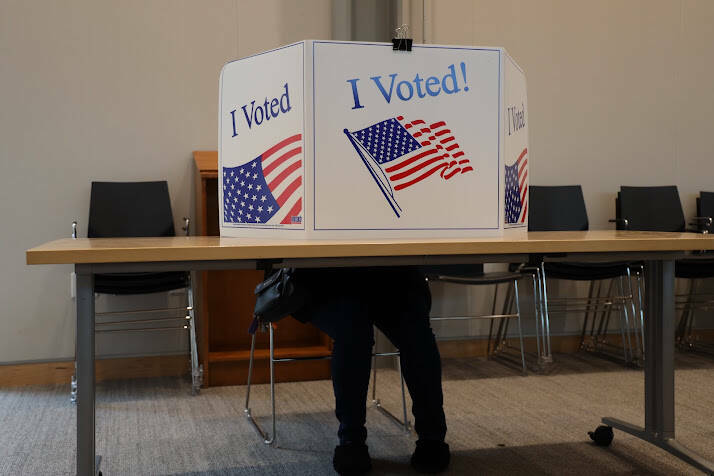
People were fired up. Now two ballot measures aimed at making Juneau more affordable will appear on the October ballot. Voters will be asked whether to cap the city’s property tax millage rate and remove sales tax on groceries and essential utilities.
Most people understand and accept that the price we pay to live in an ordered society is sharing the cost of core governmental services like education and public safety. We do that by paying local property and sales taxes.
Historically, Juneau has amassed robust property and sales tax revenues that have funded basic services and generous reserve accounts, along with more “extras” than most towns of 31,000 could ever imagine.
We support three libraries, a museum, two swimming pools, a ski area, ice rink, arboretum, youth center, numerous playgrounds, parks and a field house. I’m fine with that.
Beyond those amenities, the Assembly funds a long list of favored people, programs and organizations that do not provide core government services yet annually command our tax dollars. Over the past 10 years, this has amounted to over $85 million in additional spending.
Simultaneously over the last decade, Juneau’s wastewater system has deteriorated, and property owners are being hit with huge fee increases over the next five years (also subject to local sales tax) to upgrade that essential infrastructure. Had the Assembly kept up with regular planned maintenance instead of prioritizing discretionary spending, those rates would not be skyrocketing.
Juneau’s cost-of-living is now the highest of Alaska’s three largest municipalities. Increasingly, residents question our Assembly’s spending priorities.
In response to the ballot measures, two narratives are emerging from City Hall:
The first is the condescending, tired whine which suggests that our voters are too ignorant to grasp how catastrophic these ballot measures will be to the core functions of government. That scenario is only possible if our Assembly continues prioritizing non-essential programs, positions and projects, some of which the voters have roundly rejected.
The other narrative stokes the hostility some people direct toward visitors by urging adoption of a seasonal sales tax to stick it to the tourists.
The Assembly proposal would raise the current 5% sales tax rate to 7.5% from April through September and lower it to 3% from October through March.
On an annual basis this amounts to 5.25%, a quarter percent more than we pay now, with no promise of taxpayer relief.
The Assembly could cancel or reduce discretionary grants (or at least hold grantees accountable for measurable outcomes), scale back on big projects, and take a hard look at the 35 categories exempted from collecting and remitting local sales tax. Instead, they want locals and visitors to pay more.
Juneau has plenty of revenue. What it lacks is responsible budgeting. When basic services and critical infrastructure take a backseat to pet projects, political favors, and unchecked spending, trust in local government erodes.
Residents signed the petitions out of frustration, but also out of hope — hope for a community where hardworking families, seniors, and young people can afford to stay.
It’s time to refocus on the fundamentals, restore balance to our budget, and build a more affordable Juneau for everyone.
Paulette Simpson lives in Douglas.
