More competitive wages will shore up AMHS workforce
Published 10:30 pm Friday, June 27, 2025
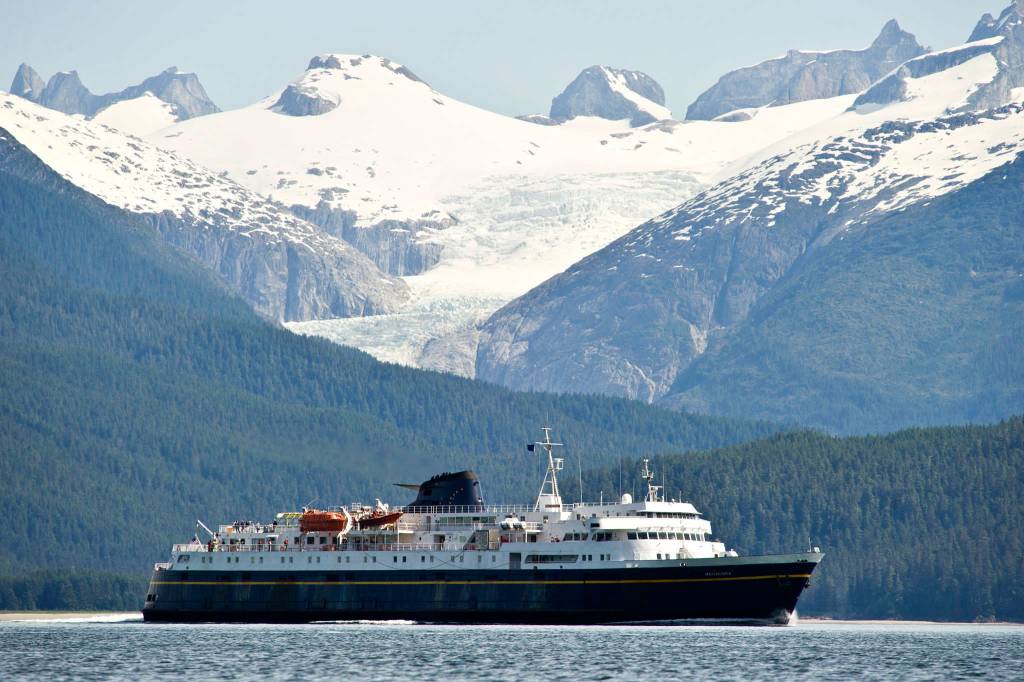
The Alaska Marine Highway System provides transportation along thousands of miles of coastline, directly serving more than 30 communities from Bellingham, Washington, to Dutch Harbor in the Aleutian Chain. The system is geographically the largest in North America and operates in some of the roughest waters in the world.
Jobs in our ferry system used to be regarded as some of the best jobs around for marine engineers. But over the last 20 years, the state failed to ensure wages kept up with inflation, and a global maritime labor shortage gave a clear advantage to the private sector. This on top of the challenges that “come with the territory” of recruiting enough skilled experienced crew to work in Alaska.
AMHS engine room crew members work below deck, operating the equivalent of a small city of systems, repairing and maintaining our ferry fleet for safe transport of people, goods and services. These essential staff are largely unseen by the ferry riding public, but without enough trained, licensed, experienced engineers, our marine highway can’t deliver reliable, efficient services that Alaskans and visitors depend on.
Engine room crew members are represented by their union, the Marine Engineers Beneficial Association. M.E.B.A is 150 years old this year and has represented AMHS engineers since the early days of the Marine Highway.
Uncompetitive pay has driven a serious and worsening workforce shortage, an excessive reliance on overtime, and burnout. It has also hamstrung the state’s ability to retain and recruit enough skilled engine room crew members to operate Alaska’s ferry system. Historically many permanent crew members started out as “relief” engineers, but today’s reliefs are so discouraged by pay and payroll issues that they don’t come back. The short staffing crisis is getting worse because it takes five to eight years to go from “off the street” to even the lowest ranking engineering officer position. Licensed marine engineer officers can get better paying jobs elsewhere. Adding to the workforce crunch, we are headed for a retirement cliff which threatens to increase our vacancy rate even more.
But hope is on the horizon. AMHS marine engineers have voted to approve a new three-year contract with the state of Alaska that contains significant increases in wages and other changes that help make Alaska ferry engine room jobs more attractive to experienced engineers.
This contract agreement restores more competitive wages, provides options to increase retirement benefits, and unifies all the ships under one contract, which will make collective bargaining in the future much easier. It’s a big step forward, but more investment is needed in the form of training, wages, and benefits to stay competitive and to ensure the long-term sustainability of the AMHS, an essential link between our communities.
MEBA AMHS engineers voted to approve an agreement with the state of Alaska on a three-year contract that makes wages more competitive and makes AMHS jobs more attractive to marine engineers who want to work in Alaska. Our ferries in Alaska are as essential as our roads, linking our communities together, not just on the coast but bringing people, goods and services all over the state. They make Alaskans’ lives and businesses possible and return far more money to the state and Alaskans than they take to operate.
Paying state workers like our skilled ferry engineers competitive wages shows we value these community members and our marine highway system. Ensuring ferry engineers can make ends meet, and stay in the career they love in the state they call home is the right thing to do. No matter how much we love living in Alaska, you can’t eat the scenery!
Nicole Lamanna Linn of Ketchikan is the Alaska Marine Engineers Beneficial Association representative.