League of Women Voters of Alaska supports Ballot Measure 2 — here’s why
Published 9:30 pm Sunday, October 18, 2020
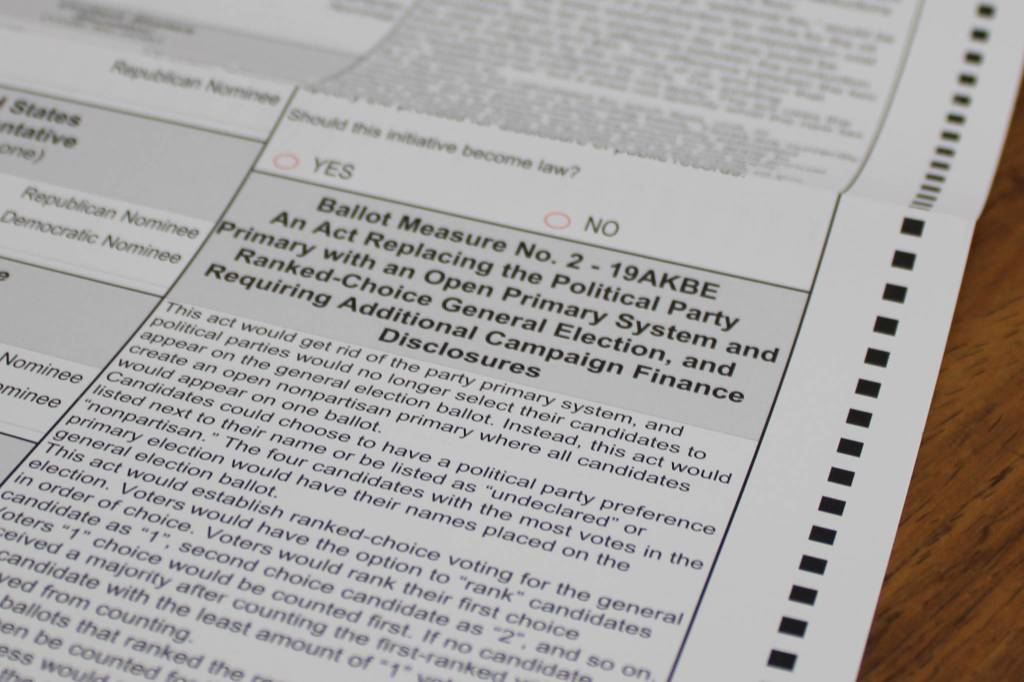
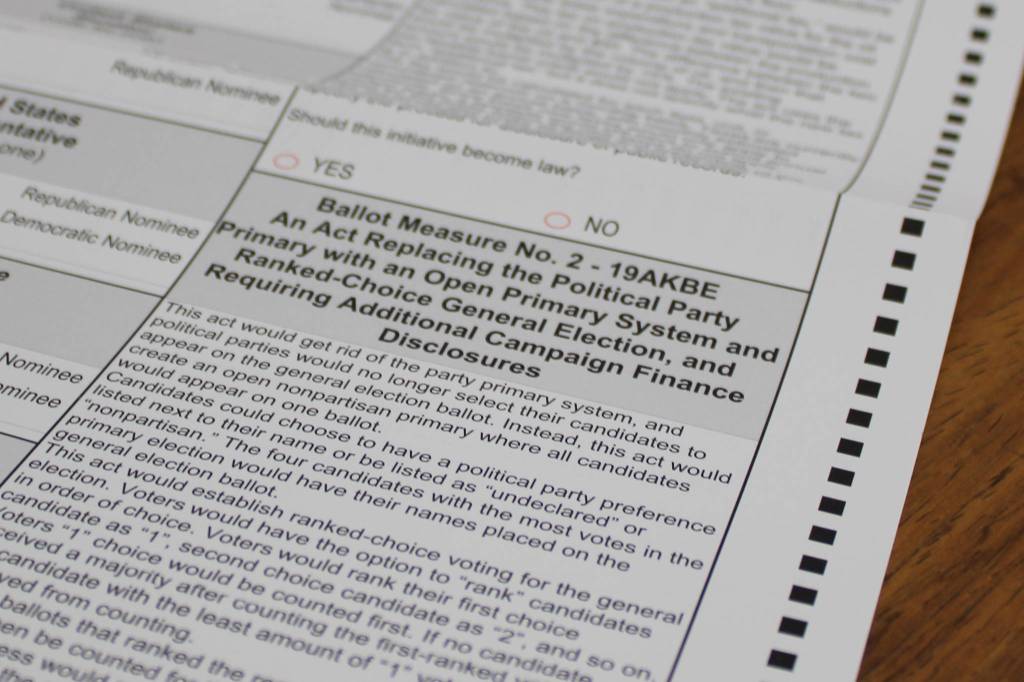


In October the League of Women Voters of Alaska’s board of directors voted to support Ballot Measure 2. The measure is composed of three distinct but interrelated sections that have the potential to strengthen our democracy. The first section is campaign finance transparency. The Supreme Court of the United States’ decision commonly called Citizens United opened the door to campaign contributions in the millions of dollars gathered by patriotic sounding groups that hide the actual donors. Much has been said about “outside” money funding many Alaskan campaign issues. To be sure, there is outside money involved in Alaska that runs the gamut from oil developers to climate change concerns to voting rights activists to candidate campaigns. What this measure will do is require that for donations of $2,000 or more, the actual donors will be made known and this information will be available within 24 hours of the donation.
The second part of Measure 2 creates an open primary (non-ranked choice) from which the top four vote-earners will advance to the general election. The open primary encourages more diversity of candidates, reduces strategic voting and has the potential to increase primary voter turnout. Candidates can still identify their party affiliation, and political parties can continue to select candidates to run under the party banner. But what the candidates will need to do is appeal to a wider range of voters than just their base and, by doing so, create a more democratic representation of all citizens.
The third voting process change in Measure 2 is ranked-choice voting. Ranked-choice voting also requires candidates to appeal to a broader section of the voting population. This requirement means that candidates will need to consider the needs and concerns of voters outside the party base. Research shows that campaigns under RCV become more civil and are more likely to discuss citizens’ concerns. In addition, RCV produces a winning candidate who has garnered 50% of the vote during the counting process. The citizen’s vote is counted once in the final tally, but it may be that that vote was for a second place candidate on the first round of counting, a candidate that rises to first place in the final tally. Ask yourself if you would prefer your second or even third choice rather than a candidate opposed to most of your values. Research also shows that ranked-choice voting has resulted in more candidate diversity.
The League of Women Voters of Alaska board of directors began studying Ballot Measure 2 in the spring of 2020. We looked first at the experience of the League of Women Voters of Maine where ranked choice voting is being used extensively and has been upheld by the Maine court system. Research from a variety of sources was shared among members of the board. The leaders of the Ballot Measure 2 campaign staff were invited to our League State Convention in April via Zoom; the local Leagues in Alaska invited those leaders to speak with their local members. We met with representatives of Sightline, a nonprofit organization dedicated to responsible development and sustainability in the Pacific Northwest, for a discussion on ranked choice voting. In June, the national League of Women Voters, at their national convention, adopted a position that outlined the criteria for voting processes, and Ballot Measure 2 meets those criteria.
The league did not make the decision to support Ballot Measure 2 lightly. Change can bring fear of the unknown, and should Measure 2 pass, education will be required to assist the voters in handling those changes. However, the LWVAK board of directors decided that the advantages of Measure 2 outweigh any potential downsides. Today, we face the rather sad situation in which candidates trying to work across party lines to problem solve are often punished by their party. We can see this at both the state and federal level. We cannot afford to refuse to collaborate and compromise in a democracy. Our public policy becomes a shambles under such conditions. Ballot Measure 2 has the potential to strengthen our democracy by involving more citizens and creating more civility and cooperation among elected officials.
• Judy Andree is president of the League of Women Voters of Alaska, a retired UAS faculty member in the humanities and a Southeast Alaska resident since 1967.Columns, My Turns and Letters to the Editor represent the view of the author, not the view of the Juneau Empire. Have something to say? Here’s how to submit a My Turn or letter.