
The following editorial first appeared in the Los Angeles Times:
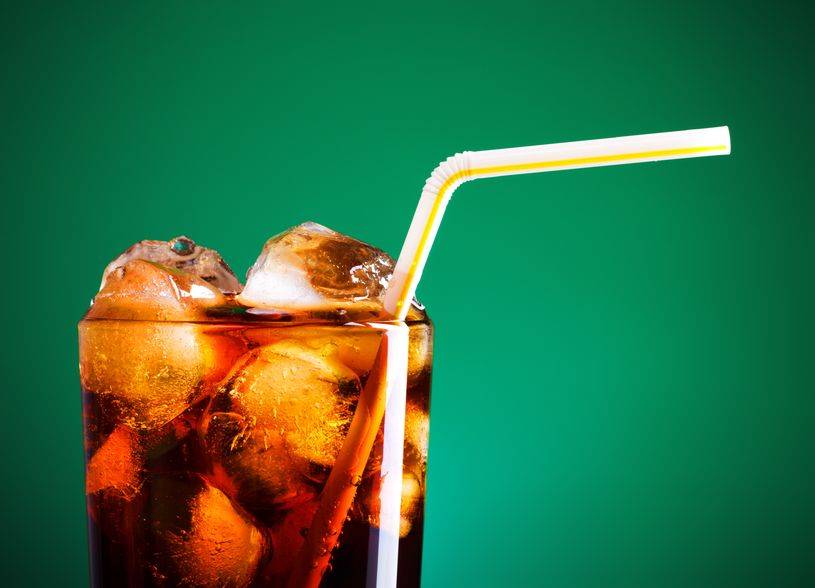
Every day Americans use — and almost immediately discard — up to half a billion plastic beverage straws. At least, that’s the figure widely used by environmental activists to explain why people should embrace going straw-less.
It’s not clear where that number came from, but it seems credible considering how many takeout sodas, frappuccinos, smoothies, cold-press juices, boba teas and other beverages Americans buy every day, most of which are accompanied by a complimentary plastic straw. Lately, even some sit-down restaurants have taken to serving the obligatory glass of water with a straw already in place, as if humans haven’t been expertly consuming liquid from containers using only their lips for millennia.
The realization that disposable plastic waste is piling up in landfills and leaching into the environment has fueled a nascent straws-on-request movement around the country, and it’s gaining traction in California. Having won the battle to curb the use of disposable plastic bags statewide, environmentalists are now pushing California cities to require restaurants and other food services to keep their plastic straws to themselves unless a customer asks for one. Davis and San Luis Obispo passed straw restrictions last year. Officials in the San Diego County beach town of Encinitas and in Berkeley are currently considering taking straw-reduction action as well. Other coastal cities will likely follow their lead.
Oh great, you may be thinking, another convenience that California wants to ban like plastic grocery bags and polystyrene takeout containers. And why pick on straws, which are so puny? Surely they aren’t as much of a problem as plastic bottles.
Actually, they are. More than three-quarters of the plastic water bottles used by Californians are recycled, thanks to a state law that puts a bounty on each container. There’s no similar payoff for turning over plastic straws, which are typically dumped in the trash along with the cup and lid they came with.
These diminutive sticks of hollow plastic that we use for a few minutes then toss, maybe in a trash can and maybe in the street, are adding substantially to the tons of plastic waste discharged into the ocean and lakes every year. Plastic straws are commonly found during beach clean-ups, which is a good indicator of their presence in the ocean. Why is that bad? If you can stomach it, check out this video of marine biologists removing a plastic straw lodged deeply in the nose of an endangered sea turtle. Warning: it contains profanity. (Not from the turtle.) It’s horrifying to know that one errant straw can do such damage when you can enjoy that frosty cola just as easily without it. Even if a stray straw doesn’t find its way into the orifice of a sea animal, plastic doesn’t biodegrade like organic matter but breaks down into smaller and smaller pieces that clog the ocean and get consumed by marine life.
So yes, little straws are a big problem. But getting a handle on them may not require something as drastic as a ban. A straws-on-request policy, which would be easy for restaurants to adopt, could make an immediate difference. Not only would it save food service providers a few bucks on overhead (bulk straws may be inexpensive, but they’re not free), it would convey a potent message to customers about the little plastic tube’s environmental cost they may not have previously considered.
Here’s another, potentially powerful argument in favor of straws-on-request policies: Some dermatologists believe repetitive sucking may cause or exacerbate wrinkles on the lips or around the mouth. Environmentalists should add that to their talking points. Vanity can be a powerful motivator.
A number of California restaurants have already adopted straws-on-request policies, and good for them. Government-mandated bans and restrictions on consumer products ought to be a last resort, but they could and should be deployed when other conservation efforts have failed. It would be great if the food and beverage industry saw the wisdom in voluntarily curbing the use of single-use plastic straws rather than waiting for a government crackdown.
Then we can start talking about detachable plastic bottle caps and disposable plastic drink lids.
