
At the University of Alaska Southeast (UAS), signs of our changing environment surround us as glaciers melt, yellow cedars die off and tropical sea creatures find their way to our waters. (Borgs? Really?!) One goal of UAS’s Sustainability Committee is to promote practices that reduce carbon emissions, ocean acidification and climate change. This month, we discuss environmentally-friendly choices consumers can make when considering seafood options.
Fresh or frozen?
Before I begin this discussion, it’s worth noting that “fresh” in the context of meat generally means “never frozen” and does not necessarily indicate level of quality. Seafood that has been stored unfrozen on ice for three weeks is technically considered “fresh.”
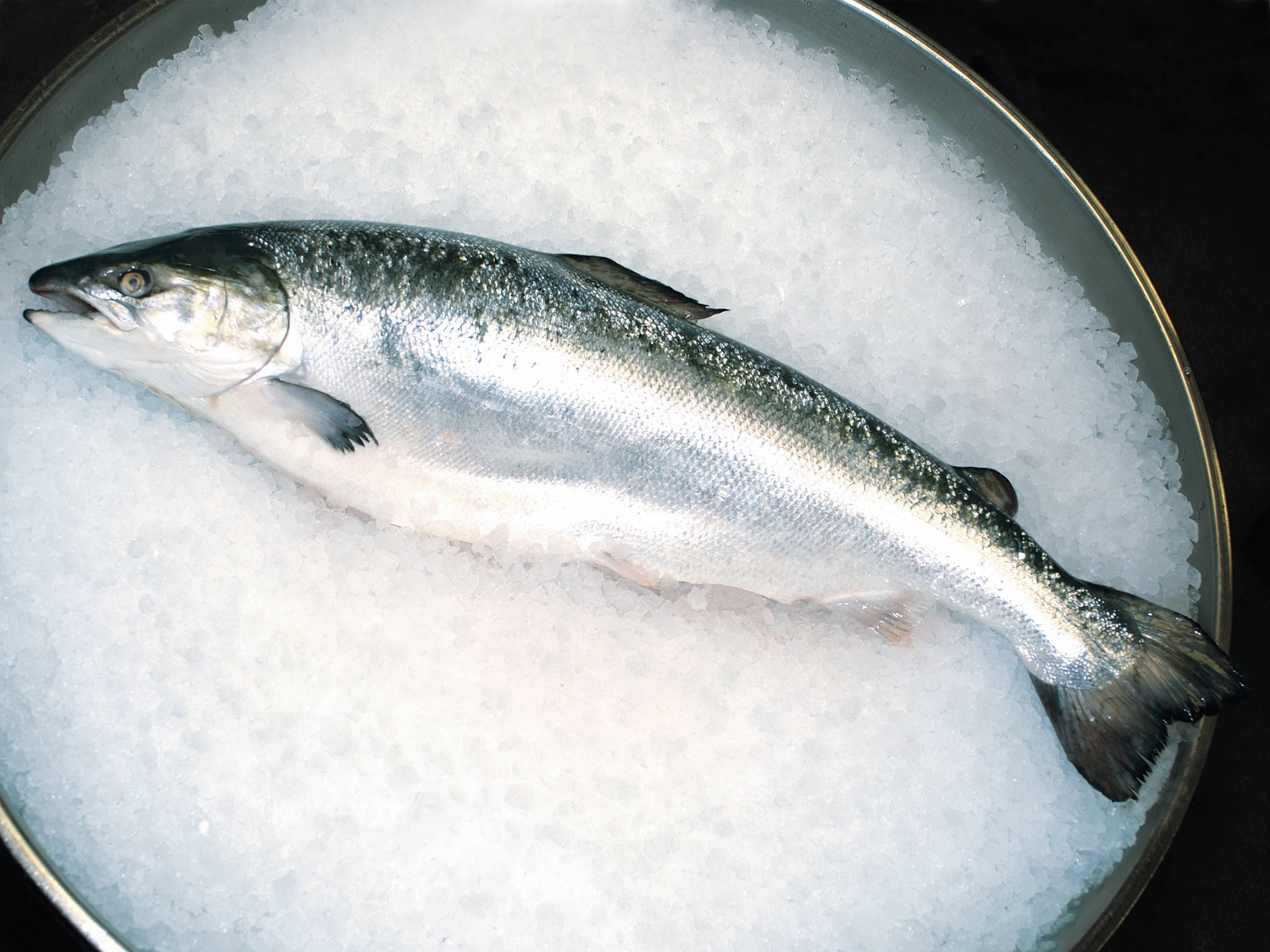
When considering the question “fresh or frozen?” one should consider the amount of time that passes between when the fish is caught and when it’s eaten. In terms of overall energy efficiency, seafood consumed within several hours of being caught is best kept unfrozen and on ice. Most seafood that is caught and sent to market, however, does not fall into this category and is best stored flash-frozen.
Flash freezing halts the fish’s decay processes without damaging tissues, nutrients or taste and maintains quality for 6-12 months. This allows frozen seafood bound for far-away markets to be transported by ship, rail or truck, which is far cheaper and more energy-efficient than transportation by air freight. Fresh seafood, because its quality declines quickly with time, must be sent to far-away markets by air freight.
In addition to being economically and environmentally expensive to transport, the short shelf life of fresh seafood leads to tremendous waste. A 2016 report by the United States Department of Agriculture (USDA) estimates that 23 percent of fresh seafood that made it to supermarkets in 2011 to 2012 was discarded before it reached consumers. Fresh seafood can take a week or two to reach market, where it can sit for another week before spoiling.
In terms of sustainability, a large-scale global switch from fresh to frozen would significantly reduce this waste, which could help our depleted fish stocks to rebound. According to a multi-year study by EcoTrust, which worked with the Swedish Institute for Food and Biotechnology and Canada’s Dalhousie University, “In fish-loving Japan, which gets much of its fish by air, switching to 75 percent frozen salmon would have more benefit than all of Europe eating locally farmed salmon.”
Wild or farmed?
In terms of sustainability on a global level, the environmental impacts of conventional seafood farming are relatively low. The most significant impacts result from animal-based feeds. Farms that use plant-based feeds have significantly lower global environmental impacts.
Organic or conventional?
According to the aforementioned EcoTrust study, organic salmon farming leads to global environmental impacts similar to conventional farming. There can be significant regional differences based on differences in practices and local ecological sensitivities, however.
The questions we’ve been asking about sustainability in seafood practices (wild or farmed? organic or conventional?) are not the most important ones when considering carbon emissions, ocean acidification and climate change. The question with potentially the most impact is “fresh or frozen?”
• “Sustainable Alaska” is a recurring column, appearing on the first Friday of every month. It’s written by UAS Sustainability Committee members who wanted to promote sustainability. The views expressed here do not necessarily represent the views of the University of Alaska Southeast. Susan Kendig is a term assistant professor at the University of Alaska Southeast and lives in Juneau.
University of Alaska Southeast term assistant professor Susan Kendig. (Photo courtesy of Susan Kendig)
