
I am inviting community organizations and social groups to help chip away at a grave national crisis. We need to lessen the levels of chronic disease that consume a stupefying 90-percent of U.S. spending on disease care.
Here’s how: Church groups, weekend Harley-riders, 501c3 non-profits and other groups for good can serve, eat, and give thanks for whole and healthy foods.
That’s it! The powers of care, social connection, and nature do the rest.
Health involves much more than food, of course. Today, modern health science knows exactly how people can lower risks for vascular disease, stroke, type-2 diabetes, cancer, Alzheimer’s, depression, and so forth. For any Group for Good, an add-on public service of profound value is available simply by lowering the “spikes”—the excessive blood sugar (glucose) and the elevated insulin hormone it requires. Both are pillars of America’s chronic disease, starting with the obesity that David A. Kessler, M.D. links to “over 200” named diseases. Here’s my suggested action:
Group action for health:
Stop serving items that spike blood glucose and create a disease-avoidance policy with respect to snacks, events, and food offerings. Then publicly give thanks for healthy food.
Here’s the problem. Over half of U.S. adults live with multiple chronic disease diagnoses. That’s unsustainable, unless you’re big pharma. This year, about 155,000 amputations will be performed due to complications of type-2 diabetes (T2D). By 2050, the U.S. adult obesity rate, now around 40-percent, is projected to nudge 60-percent, which includes today’s school-age children. And fewer than 1 in 10 Americans consume the recommended level of dietary plant fiber. In 2024, an insane $4-trillion was spent on mostly preventable chronic disease treatment and it’s getting worse.
Groups for good want clients and members to experience health, of course: less chronic illness and fewer meds for friends, clients, or customers. Right? Community service organizations want productivity, social engagement, access, and wellbeing. Broadly considered, these superlatives are not the trend across America’s diverse people, but minorities have it worse.
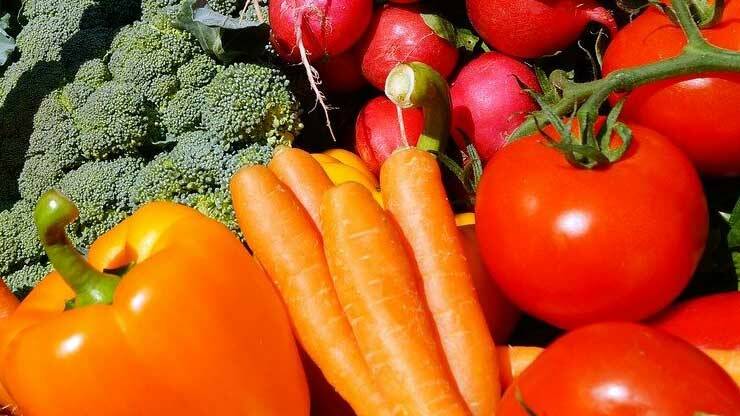
Whether it’s fruit, colorful veggies, intact grains, soups, or meaty mains—on net, whole foods elevate blood glucose far less and require less insulin! Group for good event menus should chip away at the problem, not contribute to it. So, imagine the big event or meeting without the junkola: the sugar, flour, punch or processed meat? That is, skip the industrial-processed foods and refined carbs.
Replace the glorious sweet-treats, ubiquitous pizza, and chuck the tiny bread-wrapped hot dogs. Instead, serve Real whole food—fruit, veggies, nuts, seeds, legumes, grains, and real meat. Keep the coffee, tea, or water.
Groups for good might ponder disease-fighting in their suite of services—simply by dropping the sugar, flour and highly-processed junk and offering thanks for “whole.” As your clients and members associate your group with this care, compassion and modelling of health and wellbeing, your group or ministry will earn greater social capital—which absolutely supports your larger mission. And healthier eating pays some surprising dividends; like lower anxiety and risk of depression, and higher productivity. In health, the human body is a disease-fighting genius with more creativity and positive energy to share with others.
“Disease-fighter” conjures a wonderful and honorable image—groups who intentionally lower the “spikes” and challenge America’s chronic disease paradigm. And, indeed, America has legions of laser-focused service organizations, clubs, ministries, quilters, school districts, tribal governments, veteran’s organizations, book groups, business associations, conservation groups, and so forth. Imagine them intentionally harnessing care and compassion to improve American health?
It can still taste absolutely amazing, but ask yourself: “What foods can we serve/sell that are healthy and don’t send our wonderful attendee’s blood glucose and insulin through the roof?” Doing so confronts our chronic disease pandemic head on. That’s the health care we all need.
Burl Sheldon is a certified health and wellness coach. He and his wife Nancy reside in Haines, Alaska. Burl can be reached at burl@wellness-alaska.com
