
Getting a grip on rising health care costs is one of state and federal policymakers’ most important 2018 priorities.
Alaska, which has the highest health care costs in the nation, is no exception. Health premiums here continue to take an ever-bigger bite out of household budgets and small business balance sheets — an enormous headache for residents and major drain on the state’s economy.
With the prospects of comprehensive health care reform at the federal level slim, Alaska legislators are pursuing concrete cost-cutting reforms at the state level. First in the crosshairs: certificate of need laws. State Bill 62, currently before committee, would scrap these government licenses required to provide care. This would increase health care supply, improve quality and reduce price in the process.
Some background: In 1974, Congress passed the National Health Planning and Resources Development Act, requiring states to implement CON requirements in order to receive funding through certain federal programs. Lawmakers believed that bureaucrats could dictate health care supply better than the market.
Roughly a decade later, it became clear that CONs failed on every measure and may have contributed to health care price inflation, so federal subsidies were stopped. But the hospital establishment, which enjoyed being protected from competition, has lobbied to keep them alive in 35 states, including Alaska.
In practice, CONs mean that health care entrepreneurs who want to open an MRI clinic, a surgery center, a nursing home or a hospital must get government permission first. Even more outrageous is that often the state government committees that oversee approval of CONs are stacked with members of this same health care establishment. It’s cronyism in its purest form.
Unsurprisingly, data from the Kaufmann Foundation shows that states with CONs have significantly higher per capita health care costs than those without. Eliminating CONs would usher in a new supply of health care to bring down costs for small business and individual consumers. Without CONs, health care entrepreneurs could respond to price signals in the same way as entrepreneurs in other industries who see high prices as a signal to offer more supply.
States such as Oklahoma that do not have CONs have an environment where innovative, market-driven solutions can be implemented to drive down the cost of health care. The Surgery Center of Oklahoma, for instance, has a website where the cost for every procedure is posted. There are no hidden fees. The cost of surgery there is often five to 10 times less than the nearest competing hospital down the road, and in many cases, the surgeons are the same in both facilities. Medical tourism has reversed and patients can receive high quality care by board-certified surgeons for affordable prices right here in America. But only in states that permit it.
For patients who are asked to pick up a greater amount of their health care costs, such health care entrepreneurship allows them to become responsible consumers of resources. For businesses, it offers the opportunity to slash the single highest line item on their balance sheet — health care costs. Over 40 percent of businesses in America are self-insured; that is, they pay the costs of care for their employees and do not rely on the third-party insurance system because it costs them too much. With CON repeal, more centers offering reduced cost services will open and business operators will see substantial savings.
Legislators need to begin to put their constituents ahead of entrenched special interests and outdated and discredited rationing systems. Alaska legislators must pass SB 62.
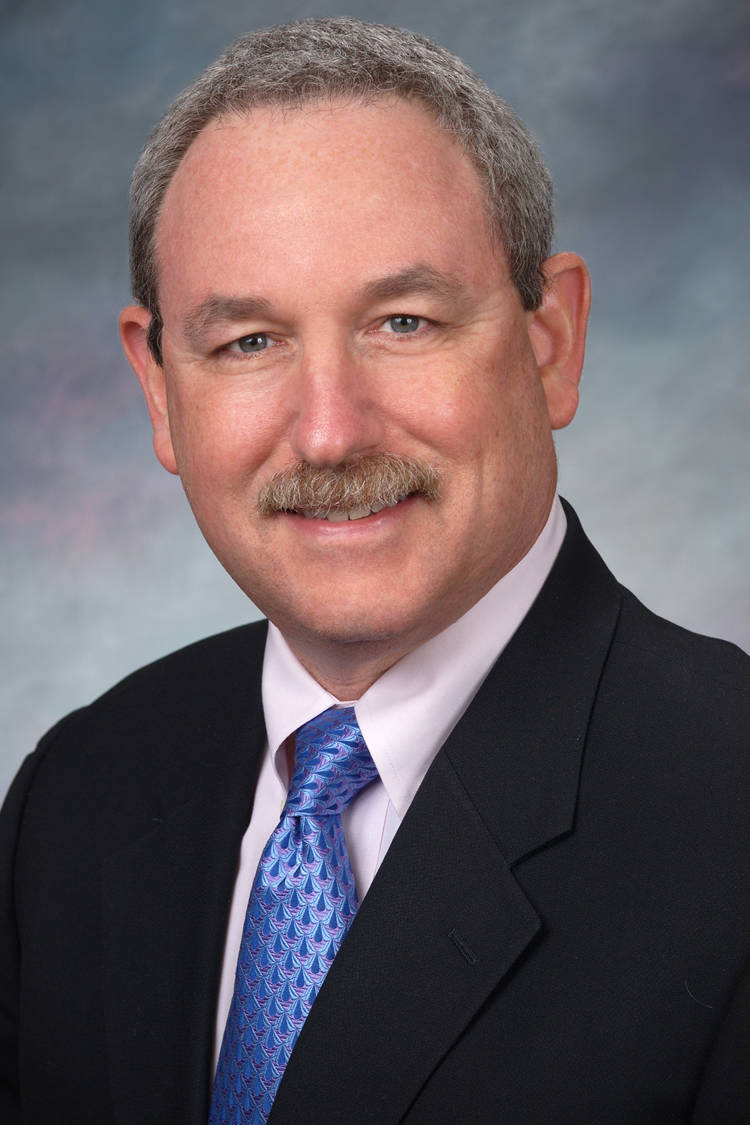
Dr. Hal Scherz is the Founder of Docs 4 Patient Care and Chief of Urology at the Scottish Rite Children’s Hospital in Atlanta. Alfredo Ortiz is president and CEO of the Job Creator Network.
