
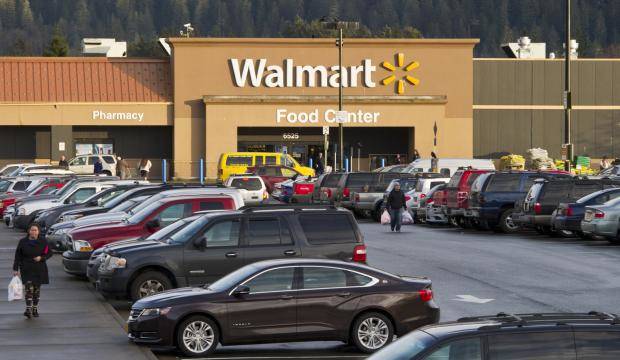
We don’t like talking about it much, but Juneau’s picturesque landscape has some scary bare spots we can’t seem to patch. Formerly full local malls remain half-empty; our 121,000 square foot Walmart store building stands vacant; and most recently, the capital city’s nationally renowned Perseverance Theatre is struggling financially.
Certainly, some of this is due to the demographic slump Juneau is experiencing as well as Alaska’s weak economic climate. Fewer jobs, declining population, reduced school enrollments and lower state budgets, combined with rising crime rates, opioid abuse and homelessness are just some of the fiscal challenges that Juneau must juggle going forward.
Our population decline, as in the rest of Southeast Alaska, is even more concerning as 2020 census and re-districting approaches. It’s quite possible, even likely, Juneau will need to draw population from neighboring towns to maintain its two state House seats, further reducing whatever clout we may have in garnering state funding for capital projects and other needs.
We are fortunate to have the visitor and mining industries along with state employment (albeit declining) to help mitigate these trends. Despite this, Juneau is shrinking — meaning it will be more and more difficult to spread the costs of government, education, public safety, social services and our aging infrastructure over fewer and fewer people.
This trend isn’t just isolated to the private sector. The Juneau School District is under extreme financial pressure with diminished enrollments and state revenues along with the burden of facilities that are under-utilized. The Juneau International Airport has been unable, up to now, to complete re-construction of the obsolete and aging north wing due to funding shortfalls.
One of Juneau’s most significant and critical pieces of infrastructure is our water and sewer system. Despite benefitting from last year’s generous sales tax allocations, it remains woefully under-funded. Juneau has some of the highest water and sewer utility rates in the state, yet forecasts are that these rates will continue to rise dramatically. CBJ’s own study recommended spending $75 million every 10 years to upgrade one-quarter of our water and sewer infrastructure so that it’s completely replaced within its 40-year life span.
Thus, many people are asking, “With a stagnant economy and declining population coupled with rising community financial needs, why would we add major new services and facilities that will likely increase taxes and/or decrease necessary services elsewhere?”
Currently under consideration are large funding requests towards a $32 million arts and culture center project (plus at least $10-plus million for parking) and a $2.8 million annual outlay for a new Pre-K child care program. Also, being proposed is a new city hall atop the Downtown Transportation Center Parking Garage.
While these projects may be well-intentioned, under current economic circumstances, should they be considered a priority for city funding? Won’t they either replace funding for other necessary projects or precipitate increases in municipal taxes?
If Juneau’s population was growing, our economy was robust and vibrant, and living-wage jobs were rising, these ideas might make sense and be worthy of consideration. Under those conditions, tax revenues would be increasing and there would be more people willing and able to support new programs and facilities.
Ironically, projects that would actually expand our economy, such as the Lynn Canal Highway or re-writing the mining ordinance to attract new mining operations, receive no end of public scrutiny, fiscal analysis and serious pushback from those who view growth as detrimental to our quality of life.
Therefore, supporters of spending public money on the arts or preschool programs should have no objection to having their projects subject to equally rigorous examination.
In the interests of transparency, prior to any CBJ staff or Assembly action or communitywide vote on any of these initiatives, serious objective financial analysis must assure residents that funding (through debt or otherwise) won’t prevent other more essential projects from moving forward.
Further, forecast operations of proposed projects should be detailed enough to ensure they will not incur additional operational subsidies that would negatively affect future community priorities or cause an increase in our municipal taxes.
Only then, after all the dots are connected, can we truly make thoughtful and well-informed decisions.
• Win Gruening retired as the senior vice president in charge of business banking for Key Bank in 2012. He was born and raised in Juneau and graduated from the U.S. Air Force Academy in 1970. He is active in community affairs as a 30-plus year member of Juneau Downtown Rotary Club and has been involved in various local and statewide organizations. He contributes a regular “My Turn” to the Juneau Empire. My Turns and Letters to the Editor represent the view of the author, not the view of the Juneau Empire.
