
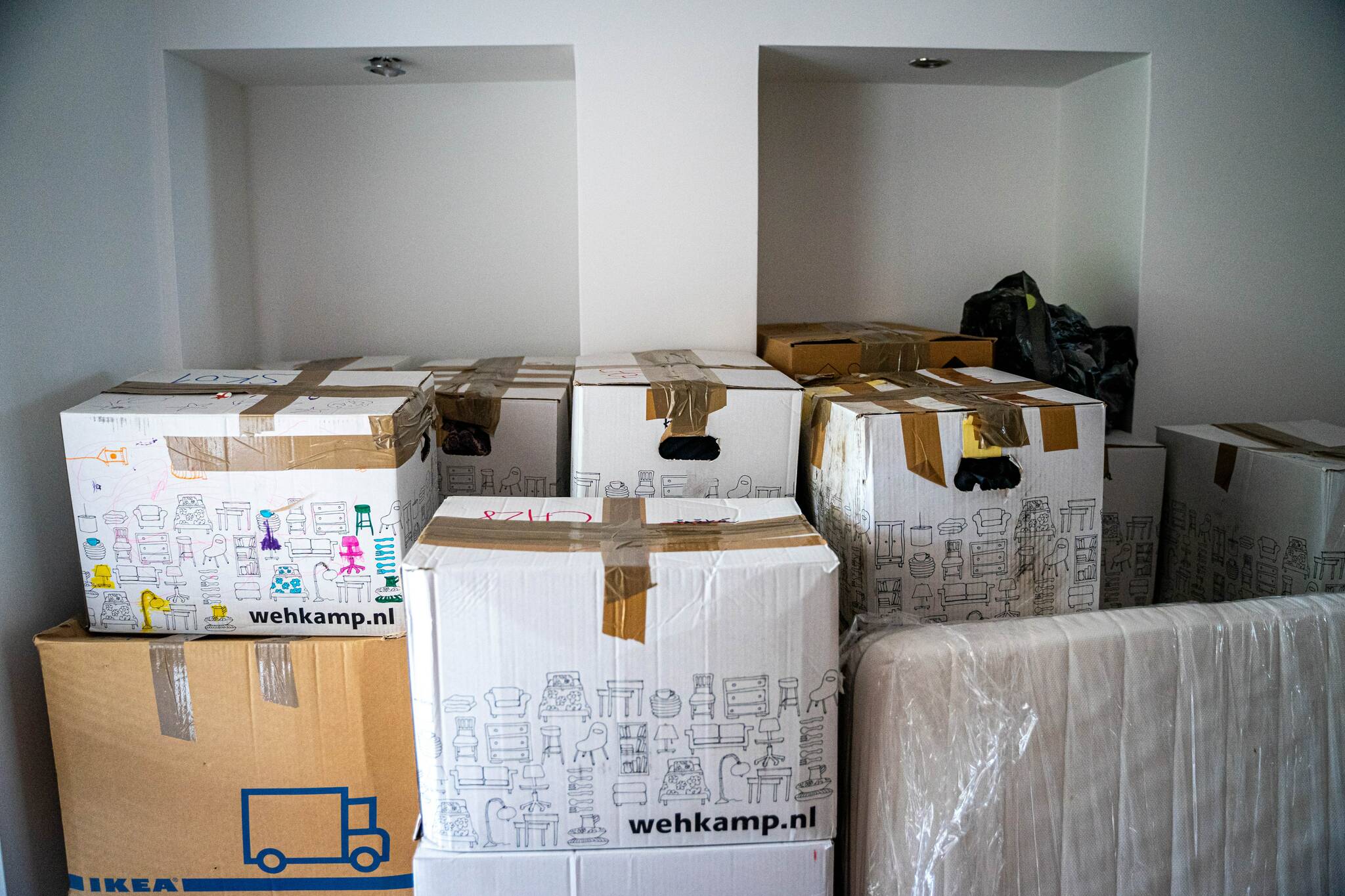
For the 10th year in a row, more Alaskans moved out in 2022 than new residents moved in.
That’s a draining fact, with no real plan to plug the leak.
To confirm the Alaska Department of Labor’s statistics about population and persistent out-migration, drive no further than U-Haul. America’s do-it-yourself mover reported this month on its annual numbers for traffic into states and one-way rentals leaving each state. The traffic count for Alaska is not good.
The state fell 25 spots in the nationwide ranking of growth states, from 16th place in 2021 to 41st place last year, as measured by the percentage of U-Haul rentals coming into the state versus the number of one-way moves out of state. People arriving in Alaska in one-way U-Hauls in 2022 decreased 2% over 2021, while departures increased 3% year-over-year.
“While U-Haul migration trends do not correlate directly to population or economic growth, the U-Haul Growth Index is an effective gauge of how well states and cities are attracting and maintaining residents,” the company said in its press release. And if anyone is in a position to gauge population movement, it would be U-Haul, with 23,000 rental locations in all 50 states and 10 Canadian provinces.
Not surprisingly, the states that led the nation last year in one-way moves inbound were sunny and economically healthy Texas, Florida and the two Carolinas. The top states for one-way moves outbound were California, Illinois, Michigan, Massachusetts and New York.
You could try to argue that the states most popular for one-way moves out are high-tax jurisdictions, which would be true. But then how do you explain that Alaska is near the bottom, too. We have no state income tax, no state sales tax, no state property tax (except on oil and gas producers), the lowest motor fuel tax in the nation, plus we gave out more than $2 billion to residents last year just for living here.
It can’t be taxes that are driving Alaskans to drive out of state. A lot of wise people who follow economic and population trends list the factors as inadequate state support for K-12 schools and the university system, lack of available housing, a shortage of child care, and better economic opportunities elsewhere.
“If you’re looking at attracting workers, that age group that you want to attract, 20 to 54, frequently has children in tow. And they care about schools,” economics professor Ralph Townsend told the Anchorage Chamber of Commerce last spring.
Townsend, former head of the University of Alaska Anchorage Institute of Social and Economic Research, has long talked about how the state might reverse its population out-migration, recommending investments in education and child care.
Losing more residents than a state gains is an indicator of trouble ahead.
“People do tend to vote with their feet and move to a place that sees more economic opportunity, has more job growth and more opportunity in general,” Nolan Klouda, director of the University of Alaska Center for Economic Development, said in a recent interview with the Alaska Beacon news website. “It’s a pretty important indicator of economic health.”
Important but unheeded. After 10 years of losing more residents than we gain, all that many of Alaska’s elected leaders seem interested in doing is pushing for a larger Permanent Fund dividend and talking about “economic diversification” as if it were magical political campaign slogan that cures all ailments. Yet they balk at helping schools, housing or child care.
If we don’t change the direction, Alaska could slide further to the bottom of U-Haul rankings — an economically costly one-way move.
• Larry Persily is a longtime Alaska journalist, with breaks for federal, state and municipal service in oil and gas, taxes and fiscal policy work. Columns, My Turns and Letters to the Editor represent the view of the author, not the view of the Juneau Empire. Have something to say? Here’s how to submit a My Turn or letter.
