Yukon and Alaska will share data on gender-based violence against Indigenous people
Published 8:57 am Friday, August 22, 2025
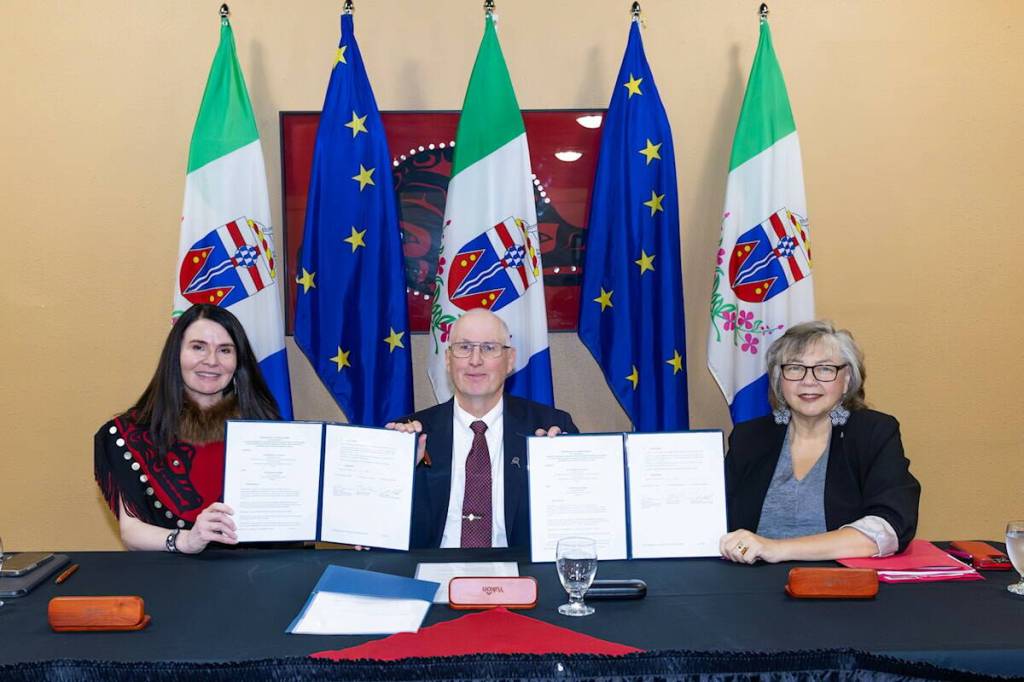
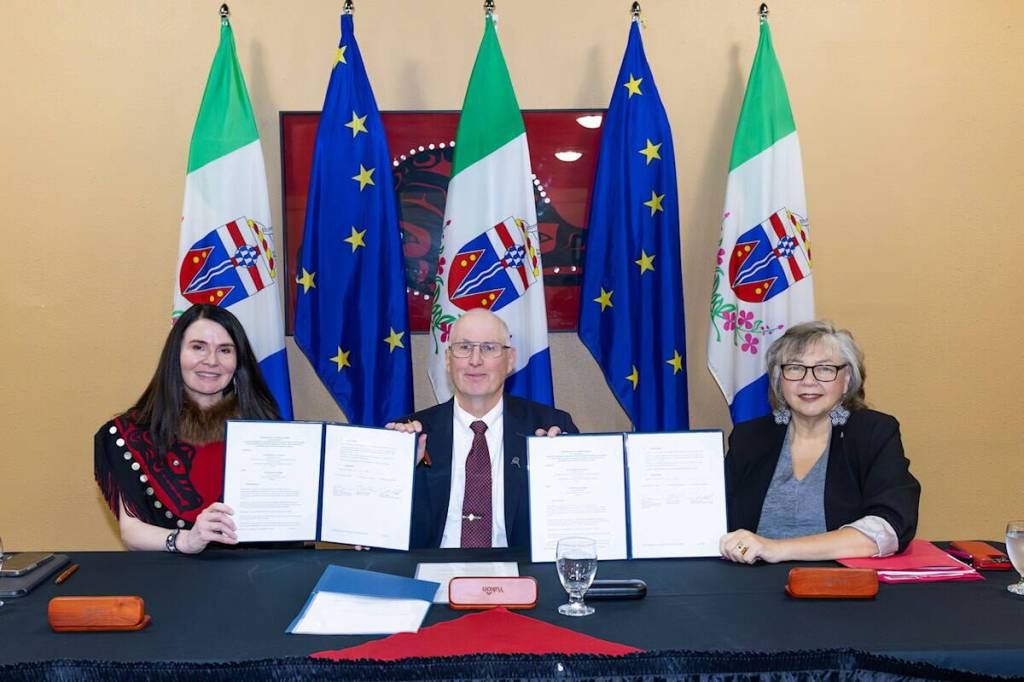
The governments of Yukon and Alaska signed a cross-border agreement in Whitehorse on Aug. 12 to formalize commitments from both governments to improving safety for Indigenous women and non-binary people, according to a Yukon government news release.
The Yukon and Alaska governments signed a memorandum to share strategies and networks that address violence against Indigenous women, girls and Two-Spirit+ people, including sex trafficking, assault prevention and community safety programs, according to the memorandum document.
Officials from Yukon and Alaska began discussions on service delivery, data collection and violence prevention strategies after both parties signed the memorandum, according to a Yukon government news release.
Government officials from both sides are expected to meet at least once a year to share progress, according to the memorandum.
“This crisis affects families across borders and to address it effectively we need to work together. I’m grateful that Alaska shares this understanding and that we have been able to formalize this partnership through signing this agreement,” said Yukon minister Jeanie McLean.
Both governments have agreed to exchange data and monitoring tools, such as Alaska’s Victimization Survey and U.S. felony sex offence reports, to share each jurisdiction’s understanding of gender-based violence and improve response efforts in rural and remote areas, the memorandum states.
“Together, we are sending a clear message that these crimes will not be ignored and that we stand united in our pursuit of public safety across the region,” said Alaska public safety commissioner James Cockrell.
Yukon and Alaska authorities have also committed to exchange broad data on trends that do not identify individuals, prevention strategies and program outcomes, according to Yukon government spokesperson Hayley Asling. She added case-specific information will not be shared with Alaska authorities.
Information obtained by the Yukon government will be shared through meetings, calls and email exchanges with Alaska authorities, according to Asling. Both sides have outlined commitments through the agreement to maintaining open communication by engaging in joint workshops and roundtables, she said.
Indigenous governments and organizations in Yukon and Alaska are considered key partners in shaping safety initiatives, with their knowledge and governance guiding the work, the Yukon government said.
The Yukon Women and Gender Equity Directorate is tasked with leading the implementation of safety initiatives and will connect Indigenous women’s groups across borders to establish working relationships and collaborations, with support from the Yukon Department of Justice, Asling said.
“In Alaska, the Department of Public Safety will serve as the primary lead. Both leads will coordinate with other relevant departments and agencies as needed,” she said.
In October 2024, the Yukon government released its annual report summarizing the implementation of a plan titled Yukon’s missing and murdered Indigenous women, girls and two-spirit+ people strategy, changing the story to uphold dignity and justice.
The Yukon government claims families remain central to its strategy, pledging support and involvement through an interagency network to assist survivors and those affected by violence.
The government set milestones including a memorandum of understanding with B.C., N.W.T. and Alaska. Other goals include a family directory of affected families for support outreach and advocacy networks, with Indigenous women’s organizations leading implementation over five years alongside territorial departments and advisory committees.
• Contact Jake Howarth at jake.howarth@yukon-news.com.