
By Felicia Fonseca
Associated Press
By FELICIA FONSECA
Associated Press
FLAGSTAFF, Ariz. — The U.S. Treasury Department said it’s unsure if it will be able to disburse $8 billion in coronavirus relief funding to Native American tribes by a Sunday deadline.
The department hasn’t determined whether unique Alaska Native corporations are eligible for a share of the money, Justice Department attorney Jason Lynch told a federal judge Thursday.
Meanwhile, the number of tribes suing the federal government to try and keep the funding out of the hands of the corporations was growing. A handful of tribes, including the Navajo Nation, joined a lawsuit filed April 17 in U.S. District Court in Washington.
A trio of Sioux tribes has filed a separate lawsuit making the same argument — that Congress intended the money to go only to the 574 tribes that have a government-to-government relationship with the United States.
The Interior Department, which oversees the U.S. Bureau of Indian Affairs, and the Alaska Native corporations argue the plain reading of the CARES Act makes the corporations eligible. The act includes the corporations under a definition of “Indian Tribe.”
The corporations are unique to Alaska and own most Native lands in the state under a 1971 settlement that one of the corporations characterized as a modern-day treaty negotiated among the U.S., Alaska Natives and the state of Alaska.
While they are not tribal governments, the corporations argue their roles are essential in supporting the more than 230 Alaska Native villages through employment opportunities, job training, scholarships, cultural preservation programs, land management and economic development.
One regional corporation, Athna Inc., noted that any Alaska Native tribe wanting to build a health care facility couldn’t do so without the corporations because the corporations control the land.
“Plaintiffs understandably are trying to maximize the funds available to their communities,” attorneys for Athna wrote in a friend of the court brief. “The solution is not to seek to deny critical funding to other Alaska Native communities who also need those funds and whom Congress specifically chose to include as eligible recipients under the Act.”
Tribes have said the corporations’ reading of the definition of “Indian Tribe” in the CARES Act is short-sighted and they worry the corporations could receive a disproportionate share of the funding.
State and local governments started getting direct payments this week under the $2.2 trillion package, under a formula based largely on population.
The Treasury Department posted a form online soliciting information from tribes and Alaska Native corporations on spending and the number of tribal citizens, corporate shareholders and employees. The agency hasn’t said exactly how it will determine who gets what.
The Treasury Department said the form wasn’t a signal of support for the corporations. No payments would go out until after a decision is made on eligibility and not until tribes get a chance to argue their request for a temporary restraining order if the department sides with the corporations, Lynch said.
U.S. District Court Judge Amit Mehta in Washington has scheduled a Friday hearing on the tribes’ request.
“Each day that goes by without receipt of these funds causes greater hardship to Native American tribes and associated entities,” he said. “The sooner we get to a decision in this case, the better.”
Lynch and Riyaz Kanji, an attorney representing the tribes, told the judge the Treasury Department wouldn’t legally be barred from releasing the funding after Sunday — the deadline in the CARES Act.
Yet, some tribes are desperately anticipating the money and worry about a malleable deadline, Kanji said.
Tribes are looking to the federal funds to respond to the coronavirus pandemic and stay afloat after shutting down casinos, tourism operations, agriculture and other businesses that are their main moneymakers. Tribes have no property tax base because their land is held in trust by the federal government and cannot be sold or used as collateral.
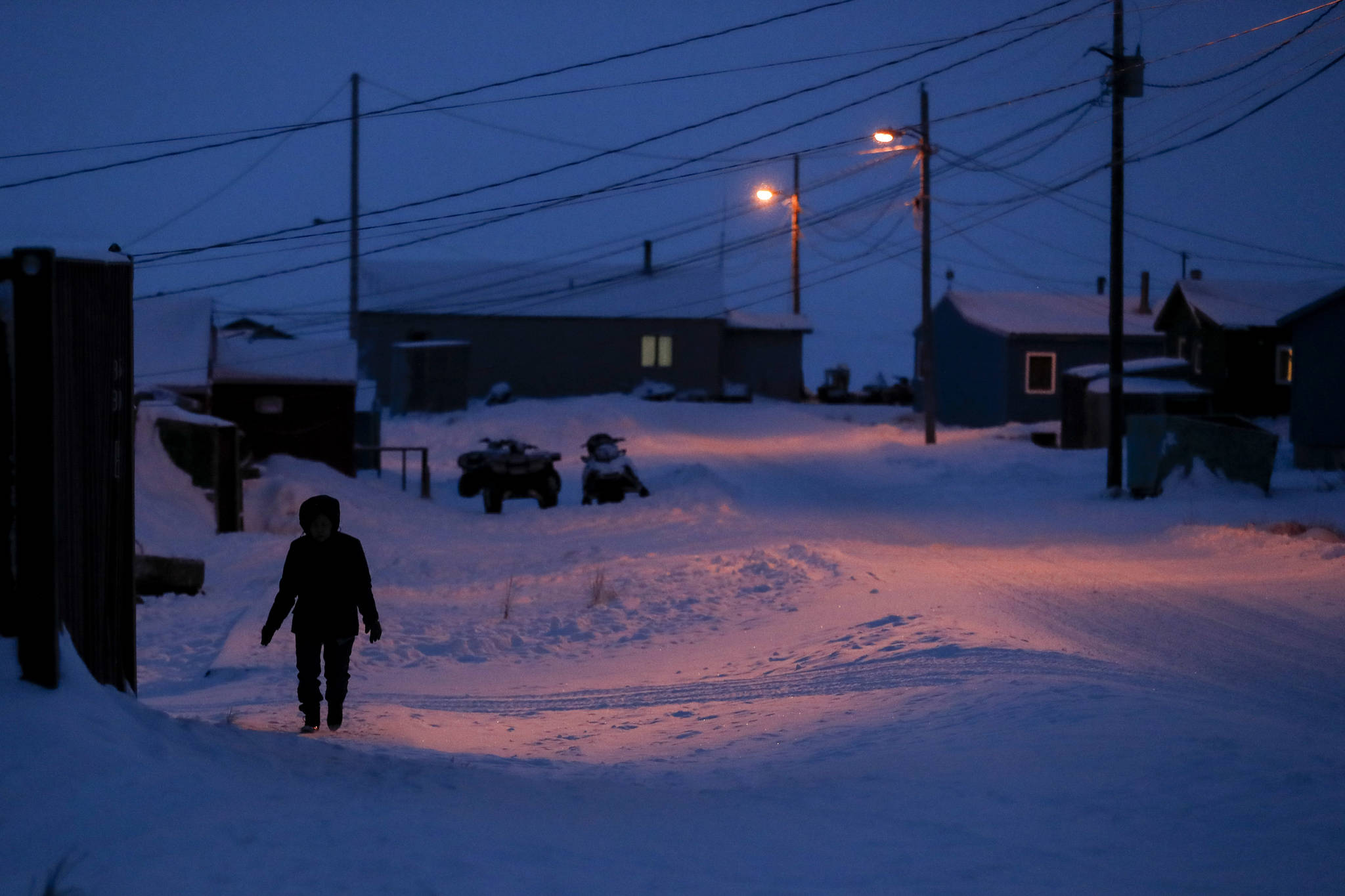
The Akiak Native Community in Alaska said it has restored water and sewer service to residents who were shut off for non-payment, distributed cleaning supplies and started a food bank. The community of about 535 members along the Kuskokwim River currently is accessible only by air.
“Without income from any source we will be unable to provide any more services, at this time,” Chief Mike Williams wrote in court documents.
The tribes that have sued are: The Confederated Tribes of the Chehalis Reservation, the Quinault Indian Nation and the Tulalip Tribes in Washington state; the Houlton Band of Maliseet Indians in Maine; the Akiak, Asa’carsarmiut Tribe and Aleut Community of St. Paul Island in Alaska; the Navajo Nation in Arizona, New Mexico and Utah; Picuris Pueblo in New Mexico; the Rosebud, Cheyenne River and Oglala Sioux tribes in South Dakota; San Carlos Apache in Arizona; and the Elk Valley Rancheria in California.
• This is an Associated Press report.
