US sues to block merger of grocery giants Kroger and Albertsons, saying it could push prices higher
Published 9:30 pm Sunday, February 25, 2024


The Federal Trade Commission is suing to block a proposed merger between grocery giants Kroger and Albertsons, saying the $24.6 billion deal would eliminate competition and lead to higher prices for millions of Americans.
The FTC filed an administrative complaint against the companies Monday, which will be considered by an administrative law judge at the agency. It also filed a lawsuit with the U.S. District Court in Oregon requesting a temporary injunction blocking the merger. That lawsuit was joined by the attorneys general of eight states and the District of Columbia.
Kroger and Albertsons, two of the nation’s largest grocers, agreed to merge in October 2022. The companies said a merger would help them better compete with Walmart, Amazon, Costco and other big rivals. Together, Kroger and Albertsons would control around 13% of the U.S. grocery market; Walmart controls 22%, according to J.P. Morgan analyst Ken Goldman.
Both companies, immediately after the FTC announcement, said that they will challenge the agency in court.
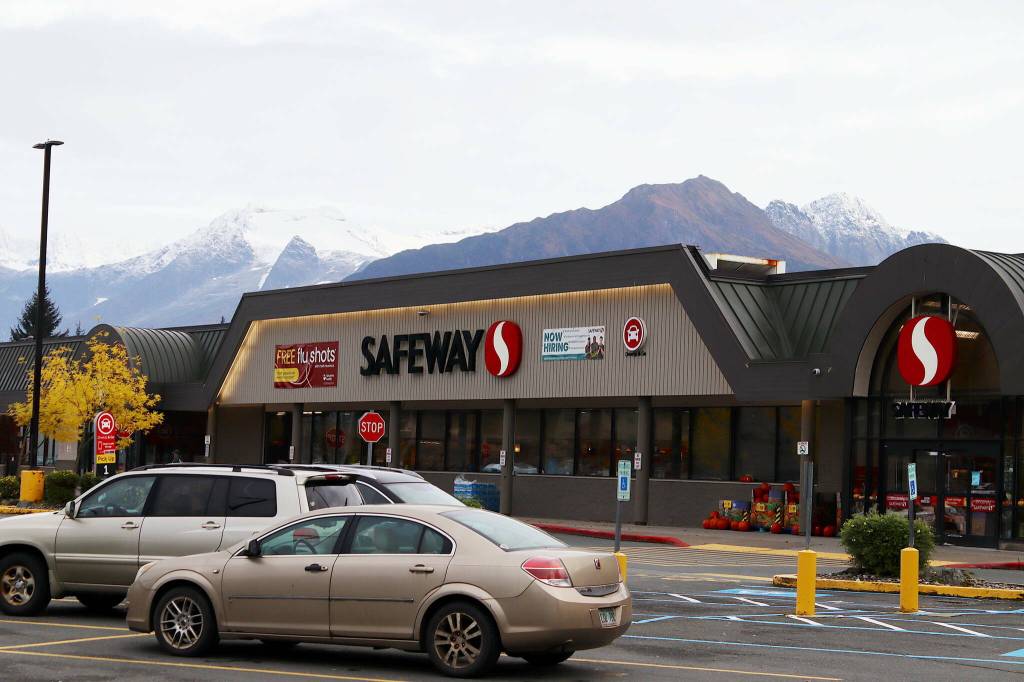
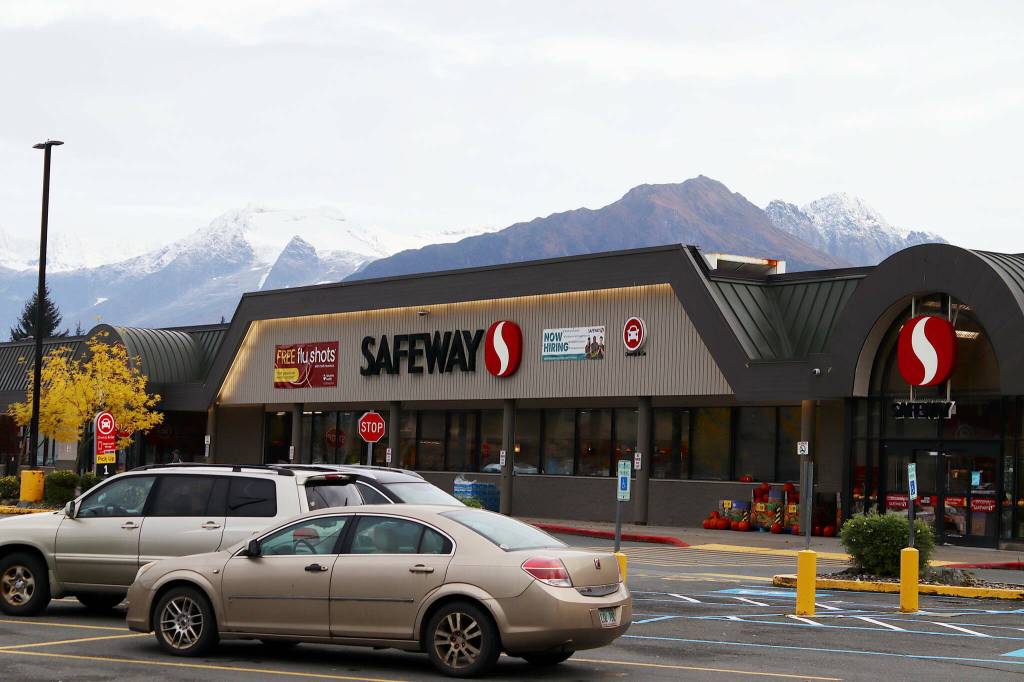
Kroger, based in Cincinnati, Ohio, operates 2,750 stores in 35 states and the District of Columbia, including brands like Ralphs, Smith’s and Harris Teeter. Albertsons, based in Boise, Idaho, operates 2,273 stores in 34 states, including brands like Safeway, Jewel Osco and Shaw’s. Together the companies employ around 700,000 people.
But the merger, announced at a time of high food-price inflation, was bound to get tough regulatory scrutiny. U.S. prices for food eaten at home typically rise 2.5% per year, but in 2022 they rose 11.4% and in 2023 they rose another 5%, according to government data. Inflation is cooling, but gradually.
“Kroger’s acquisition of Albertsons would lead to additional grocery price hikes for everyday goods, further exacerbating the financial strain consumers across the country face today,” Henry Liu, the director of the FTC’s Bureau of Competition, said in a statement.
The Biden administration has also shown a willingness to challenge big mergers in court. Last year, the Justice Department sued to block a proposed merger between JetBlue Airways and Spirit Airlines. A federal judge agreed with the administration and blocked the merger last month. The airlines have appealed.
The White House didn’t comment Monday, saying it doesn’t weigh in on pending litigation. But Jon Donenberg, deputy director of President Biden’s National Economic Council, said that Biden supports “fair and vigorous antitrust enforcement.”
“When large corporations are not checked by healthy competition, they too often do not pass cost savings on to consumers and exploit their workers,” Donenberg said.
Kroger and Albertsons said customers will likely see higher food prices and store closures if the merger isn’t allowed to proceed.
“Albertsons Cos.’ merger with Kroger will ensure our neighborhood supermarkets can better compete with these mega retailers, all while benefitting our customers, associates, and communities,” Albertsons said in a prepared statement. “We are disappointed that the FTC continues to use the same outdated view of the U.S. grocery industry it used 20 years ago.”
“This decision only strengthens larger, non-unionized retailers like Walmart, Costco and Amazon by allowing them to further increase their overwhelming and growing dominance of the grocery industry,” Kroger said.
The FTC, which said the proposed deal would be the largest grocery merger in U.S. history, said it would also erase competition for workers, threatening their ability to win higher wages, better benefits and improved working conditions.
Most Albertsons and Kroger employees are members of the United Food and Commercial Workers union, which represents 835,000 grocery workers in the U.S. and Canada. The union voted last year to oppose the merger, saying the companies hadn’t been transparent about its potential impact on workers.
“Regardless of the next legal steps, we must never forget that Kroger and Albertsons are successful because of these incredibly dedicated workers, and no proposed merger should be allowed to endanger their jobs or their livelihoods,” the union said Monday.
The union was also critical of a $4 billion payout to Albertsons shareholders that was announced as part of the merger deal. Several states, including Washington and California, tried unsuccessfully to block the payment in court, saying it would weaken Albertsons financially.
The action by the FTC follows lawsuits filed earlier this year in Colorado and Washington to block the merger. The states that joined the FTC lawsuit Monday are Arizona, California, Illinois, Maryland, Nevada, New Mexico, Oregon and Wyoming, along with the District of Columbia. Eight of those attorneys general are Democrats; one, Wyoming’s, is a Republican.
Brian Schwalb, the attorney general of the District of Columbia, said that Kroger-owned Harris Teeter and Albertsons-owned Safeway are now required to compete for customers in the city. Eliminating that competition would reduce choice at a time when many shoppers are already struggling, he said.
Kroger has promised to invest $500 million to lower prices as soon as the deal closes. It said it also invested in price reductions when it merged with Harris Teeter in 2014 and Roundy’s in 2016. Kroger also promised to invest $1.3 billion in store improvements at Albertsons as part of the deal.
Last year, C&S Wholesale Grocers agreed to purchase 413 stores and eight distribution centers that Kroger and Albertsons agreed to divest in markets where the two companies’ stores overlapped. C&S said it would honor all collective bargaining agreements with workers.
But the FTC said called the store divestiture deal “inadequate,” The FTC said C&S — which is mainly a supplier to grocery stores and not an operator — is ill-equipped to deal with the “hodgepodge of unconnected stores, banners and brands” it would get as part of the deal and would not be a robust competitor to Kroger and Albertsons.
A message seeking comment was left with C&S.
Kroger and Albertsons had hoped to close the deal early this year. But the two companies announced in January that it was more likely to close in the first half of Kroger’s fiscal year. Kroger’s fiscal second quarter ends Aug. 17.
Kroger shares fell 1.5% in Monday afternoon trading. Albertsons shares were flat.