
A renewed call to cleanup polluted mine sites and enact meaningful international oversight of industrial activity is being expressed by a multitude of Indigenous leaders, including U.S. Rep. Mary Peltola, following a pledge of cooperation on such issues by U.S. President Joe Biden and Canadian Prime Minister Justin Trudeau during a meeting last month.
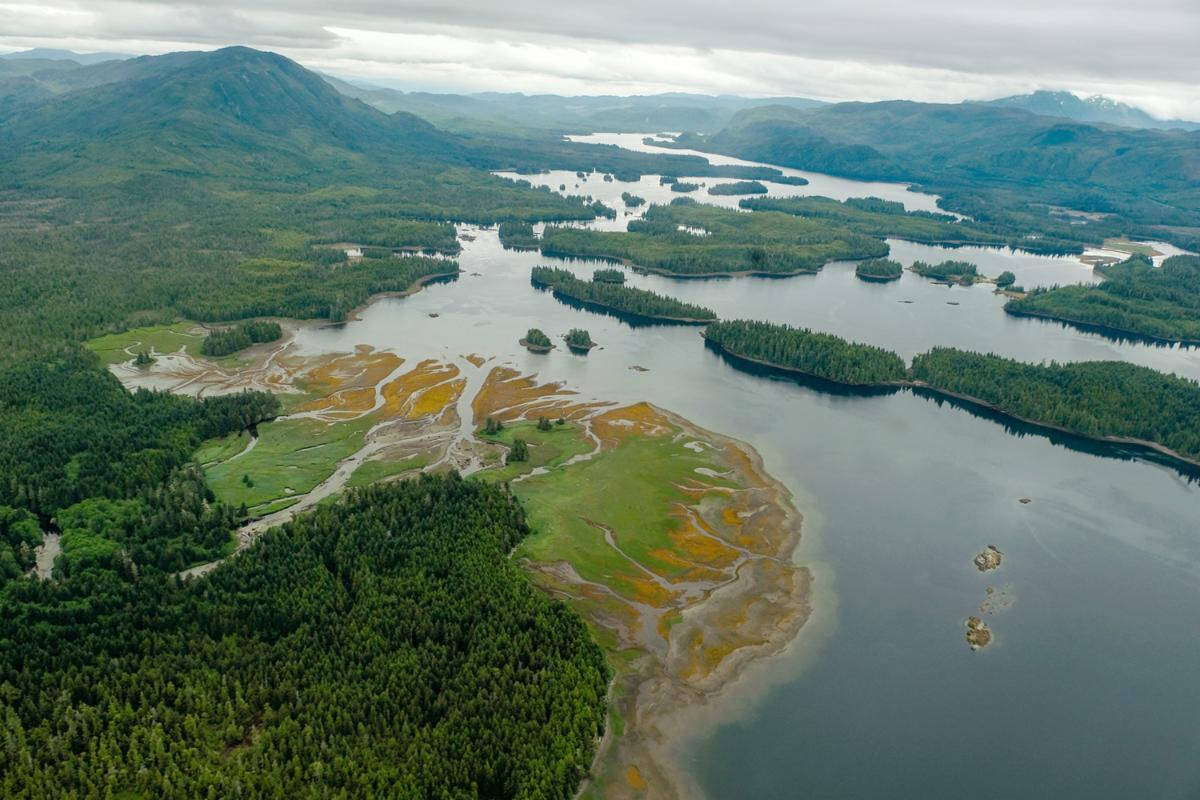
Tribes in both countries have for years stated they’ve sought such action in vain, such as a cleanup of the Tulsequah Chief Mine in British Columbia about 40 miles from Juneau, which since its closure in 1957 has been seeping toxins into waterways that serve as vital salmon habitats. Statements issued by Peltola and local tribal officials this week — the latest in a long series of official letters, declarations and resolutions — call for international watershed boards in each region along the U.S.-Canada border.
“Alaska and Canada share more than just a border — we share many watersheds and rivers that are critical to our people,” Peltola said in a prepared statement Monday. “As the International Joint Commission convenes this week, I must speak up for the many Alaskan communities and tribes I have heard from who are concerned about the potential impacts of widespread Canadian mineral exploration and development, including the construction of large tailing dams near shared wild salmon habitat. These projects are proceeding quickly, and we must ensure that our shared water resources are protected.”
A similar statement was issued last week by the Central Council of the Tlingit & Haida Indian Tribes of Alaska, who submitted a joint letter with 10 other U.S. and Canadian tribes “calling for the governments of Canada and British Columbia to honor their legal and ethical obligations and act immediately to protect our recognized traditional territories from legacy, operational and proposed mining in British Columbia.”
The tribes, while seeking the international watershed boards, emphasized they “must include leadership from affected First Nations and Tribes in Canada and the United States.”
Two Canadian ministry officials met with Southeast Native and other officials in early March about transboundary mining issues, emphasizing cleanup of the Tulsequah site is complicated due to lingering ownership and access issues. But local tribal leaders, in speeches and resolutions since that meeting, said such issues should have been resolved by now.
“The conservation and restoration of our traditional lands and waters is crucial to maintaining our way of life and is an expression of our sovereignty,” Tlingit & Haida President Richard Chalyee Éesh Peterson said in a prepared statement. “We will not stop until our concerns are addressed.”
The leaders calling for action are citing the Boundary Waters Treaty of 1909, in which Canada agreed “waters flowing across the (U.S.-Canadian) boundary shall not be polluted on either side to the injury of health or property on the other.” The treaty also allows the U.S to refer boundary waters incidents to the International Joint Commission for review.
Biden, who visited Canada last month, issued a joint statement at the end with Trudeau pledging to create a mineral supply chain that meets “strong environmental, sustainability, worker, health and safety, Indigenous and Tribal consultation and partnership, and community engagement standards.”
“That was big,” Rich Janssen, head of the natural resources division for the Confederated Salish and Kootenai Tribes, told the Flathead Beacon in Kalispell, Montana, adding that Canada’s faltering has not instilled confidence in the past. “We’ve heard Canada say that before, but never at this level. That’s the difference.”
• Contact reporter Mark Sabbatini at mark.sabbatini@juneauempire.com
