
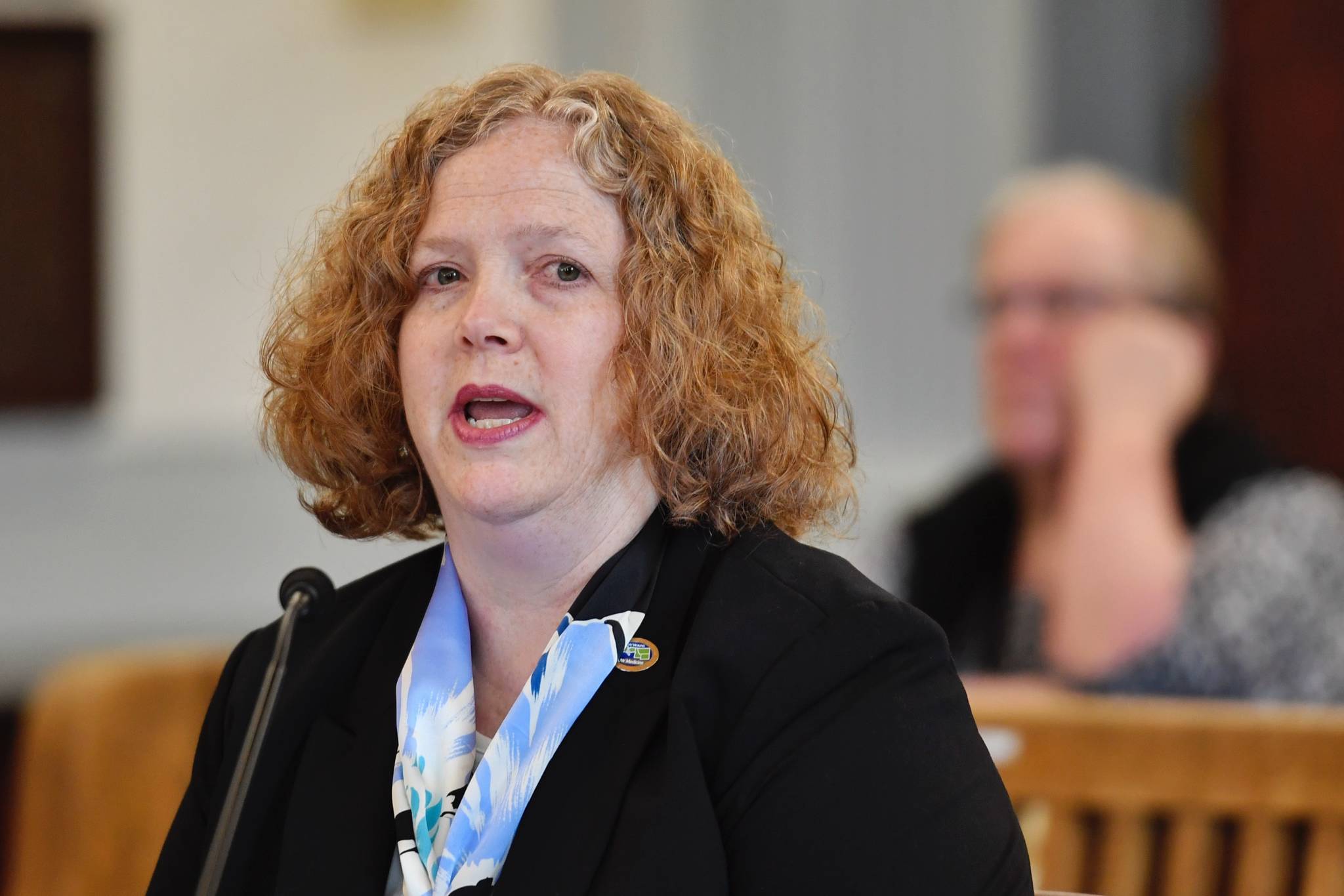
Gov. Mike Dunleavy has proposed cutting about $3.1 million in state funding for a program that trains medical students for service in the state.
The acronym for the program, WWAMI, stands for the states served by the UW School of Medicine: Washington, Wyoming, Alaska, Montana and Idaho. The University of Alaska Anchorage participates in this program. If the contract with the state is dropped, Alaska would be the only state in the country to not provide state assistance for medical education, according to a Monday morning Senate Finance committee presentation.
“If we do not continue forward with our contract with the state of Alaska … students will finish the program and we will just not recruit additional classes,” said Suzanne Allen, vice dean of the Washington medical school in a Senate Finance committee meeting Monday morning.
The Republican governor’s administration cited figures indicating the number of program graduates who practiced in Alaska has dropped from 84 percent to 61 percent from 2014 to 2018.
“The WWAMI program has not proven effective at meeting the demand for new physicians, despite a significant state investment over the years,” the administration said in the documents.
[Proposed Medicaid, health care cuts spark outrage]
The administration’s figures are misleading because the pool includes all students in the five-state region, Allen said in a previous interview with the Associated Press.
The state pays about half of tuition for Alaska students in the program. Graduates who don’t return to Alaska are required to pay the state back.
Allen said during a Senate Finance committee meeting Monday the return on investment is around 70 percent for the Alaska program.
[Senate approves fast-tracked disaster relief funds]
She said 61 percent of the graduates from this program return to Alaska, and 11 percent of licensed Alaska physicians are WWAMI graduates. It’s the largest contributing medical school to the Alaska physician workforce. She compared the cost now to how much it would be to build a new medical school, which was over $100 million to build a new school in North Dakota, a state with similar population to Alaska.
By the numbers
Alaska needs to recruit about 60 physicians each year to keep up with the demand in the state, Allen said.
WWAMI costs $5.50 per Alaskan compared to over $20 per North Dakotan, Allen said. Right now, there’s about 80 students, full capacity for the program. WWAMI has over 200 clinical faculty teaching medical students and residents in 26 different communities. There are 377 clinical experience opportunities across the state for medical students and residents.
“This is publicly supported medical education,” Allen said.
Possible alternative
Sen. Bert Stedman, R-Sitka, questioned Allen if there has been discussion on how to deal with budgetary constraints with the state funding portion of the program. But Allen said there has not been a discussion with any other groups.
Allen said the consortium was built among states that did not have their own medical schools, and that’s why other states are not a part of the program.
Sen. Natasha von Imhof, R-Anchorage, said perhaps an endowment might be able to fund the program.
“We’ll be looking at trying to preserve WWAMI in some concept,” said Stedman at the close of Monday’s meeting.
• Contact reporter Mollie Barnes at mbarnes@juneauempire.com. The Associated Press contributed to this report.
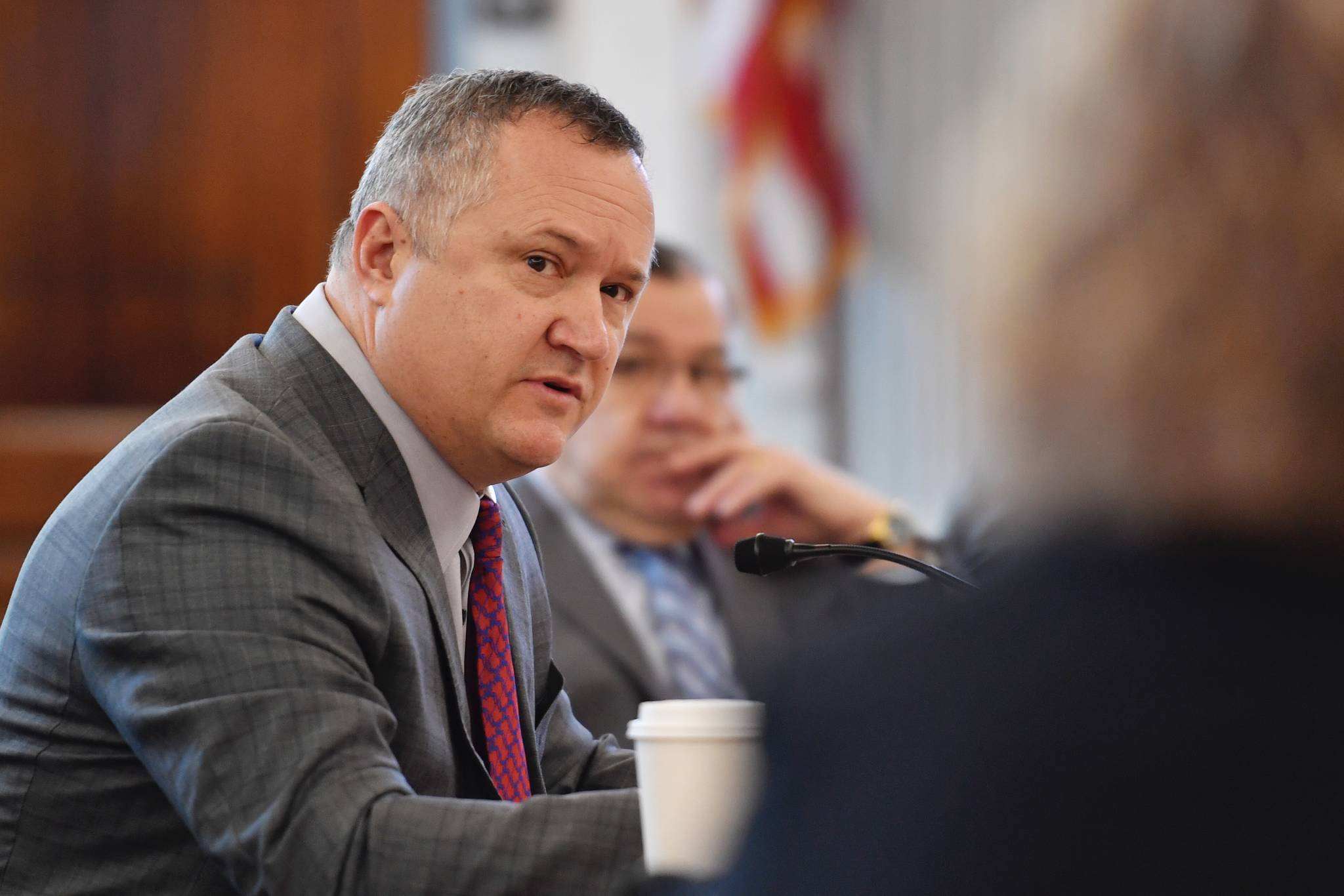
Sen. Mike Shower, R-Wasilla, questions Dr. Suzanne Allen, from Boise, Idaho, who was giving an overview of the WWAMI School of Medical Education program to the Senate Finance Committee at the Capitol on Monday, March 25, 2019. (Michael Penn | Juneau Empire)
