The PFD is $1,600: A Q&A about your dividend
Published 11:00 am Monday, September 24, 2018


Clarification: This is the third year that the Permanent Fund Dividend hasn’t been distributed along the traditional formula and the first that the fund has been significantly used for something other than dividends.
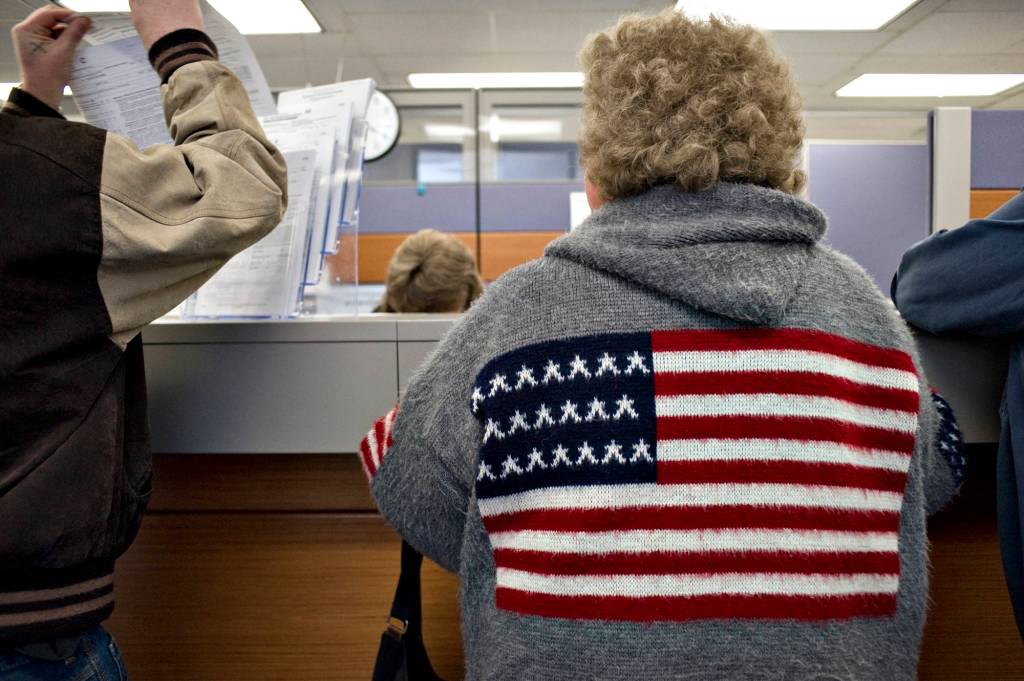
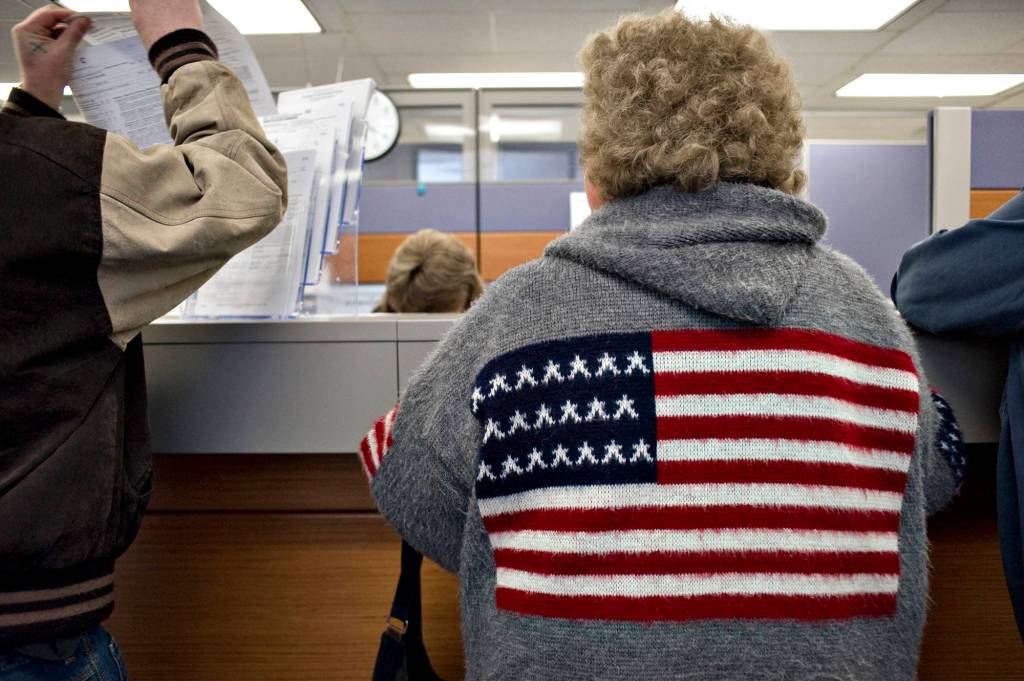
This year’s Permanent Fund Dividend is $1,600, and for the third year in a row, the state isn’t following the traditional distribution formula. Plenty of Alaskans have questions. Here’s a simple guide to some of the most common questions we’ve heard about this year’s dividend.
When do I get my dividend?
Most Alaskans get their dividends on Oct. 4. That’s the day that payments finalize from the state to banks across the country. Those banks then release the payments to you. Some banks work faster than others. USAA, said interim Permanent Fund Division Director Anne Weske, is the fastest, sometimes even releasing money on the evening of Oct. 3.
If you get your dividend by mail, checks are mailed from Juneau on Oct. 4. Juneau residents and some in Southeast Alaska can expect to quickly get those checks. Weske said she once received a call from a bank in Ketchikan where someone had received their check the same day, then made it to the bank in time to deposit it that day.
What do I do if I don’t get my dividend?
“We try to ask people to please wait 24 hours,” Weske said.
Sometimes banks are late when it comes to showing a direct deposit, so simply waiting can make the problem go away — the money can show up on Oct. 5 or Oct. 6.
If it still doesn’t show up, check your other accounts. Weske says Alaskans sometimes forget which account they’ve registered to receive the dividend.
“About 60 percent of (calls to the dividend division) can be resolved if they check all their accounts,” she said.
If that still doesn’t work, check your application online at https://myinfo.pfd.dor.alaska.gov/ and see if there are any issues. If there are any, call the dividend division at 465-2326 between 10 a.m. and 5 p.m. Expect a long wait if you call in the first few days after the dividend is paid.
If you call, make sure you have account information for the account that is supposed to receive the dividends. For privacy reasons and to protect your account information, the dividend division doesn’t release that kind of thing over the phone.
How many people are getting dividends this year?
About the same as last year. The state will pay 523,012 dividends by direct deposit and 70,452 by check, according to figures finalized Sept. 22. Those tallies include dividends partially garnished by court orders and the state (to pay prison costs, for example). They don’t include dividends wholly garnished.
Those figures could change slightly before Oct. 4, Weske said, but they aren’t expected to move by more than five or 10.
Last year, 530,067 dividends were paid by direct deposit and 78,281 paid by check.
What does the Permanent Fund Corporation have to do with the dividend?
Nothing. The corporation invests the Permanent Fund, but the Alaska Legislature decides what to do with it. State law (passed by the Legislature) calls for a dividend, and lawmakers get to set the amount. When lawmakers decide that amount, they tell the Permanent Fund Corporation to turn money over to the state treasury. The treasury has assigned the Permanent Fund Dividend Division to handle the process of turning that money into separate dividend payments.
Why did the Legislature reduce the dividend this year?
The Legislature reduced the dividend this year because lawmakers wanted to reduce the state’s budget deficit but were unable to pass new taxes or make big budget cuts. They also didn’t want to pull too much money out of the Permanent Fund or the Constitutional Budget Reserve.
How much did they cut the dividend?
According to estimates done by Sen. Bill Wielechowski, D-Anchorage, about $1,400 from the traditional formula. Wielechowski, who unsuccessfully sued the state in an attempt to preserve that formula, estimated this year’s PFD would have been about $2,982. Economist Brad Kiethley has independently estimated a similar amount.
How did the Legislature come up with the $1,600 amount?
It took a lot of negotiation.
Until this year, the Permanent Fund Corporation has been asked to give the state treasury only enough money to pay dividends. This year, lawmakers asked the corporation to pay $2.7 billion to the treasury. Of that money, $1 billion went to dividends and $1.7 billion went to covering a portion of the deficit.
Divide $1 billion by the number of people receiving dividends, subtract some administrative costs, and you get the amount of this year’s PFD.
That split was made after a lot of back-and-forth. The more money spent on dividends, the less available to balance the budget. One solution is to just spend more from the Permanent Fund and pay for both things, but that would weaken the fund and increase the chance that it crashes during a big market downturn.
How much would it cost to pay a traditional dividend?
About $1.9 billion.
How much of the deficit is left?
That depends on the average price of oil between July 1, 2018 and June 30, 2019 and how much oil is produced in the state during that time, so we don’t know for certain. The best estimate is about $700 million.
What will the dividend be next year?
It depends on the Legislature. Under the traditional formula, you could do a rough estimate based by guessing the investment performance of the Permanent Fund and by guessing how many people will apply. The Legislature has gotten rid of that formula, so what happens next is anyone’s guess.
• Contact reporter James Brooks at jbrooks@juneauempire.com or 523-2258.