
WASHINGTON — The Supreme Court on Thursday sharply limited the federal government’s authority to police water pollution into certain wetlands, the second decision in as many years in which a conservative majority narrowed the reach of environmental regulations.
The outcome could threaten efforts to control flooding on the Mississippi River and protect the Chesapeake Bay, among many projects, wrote Justice Brett Kavanaugh, breaking with the other five conservatives.
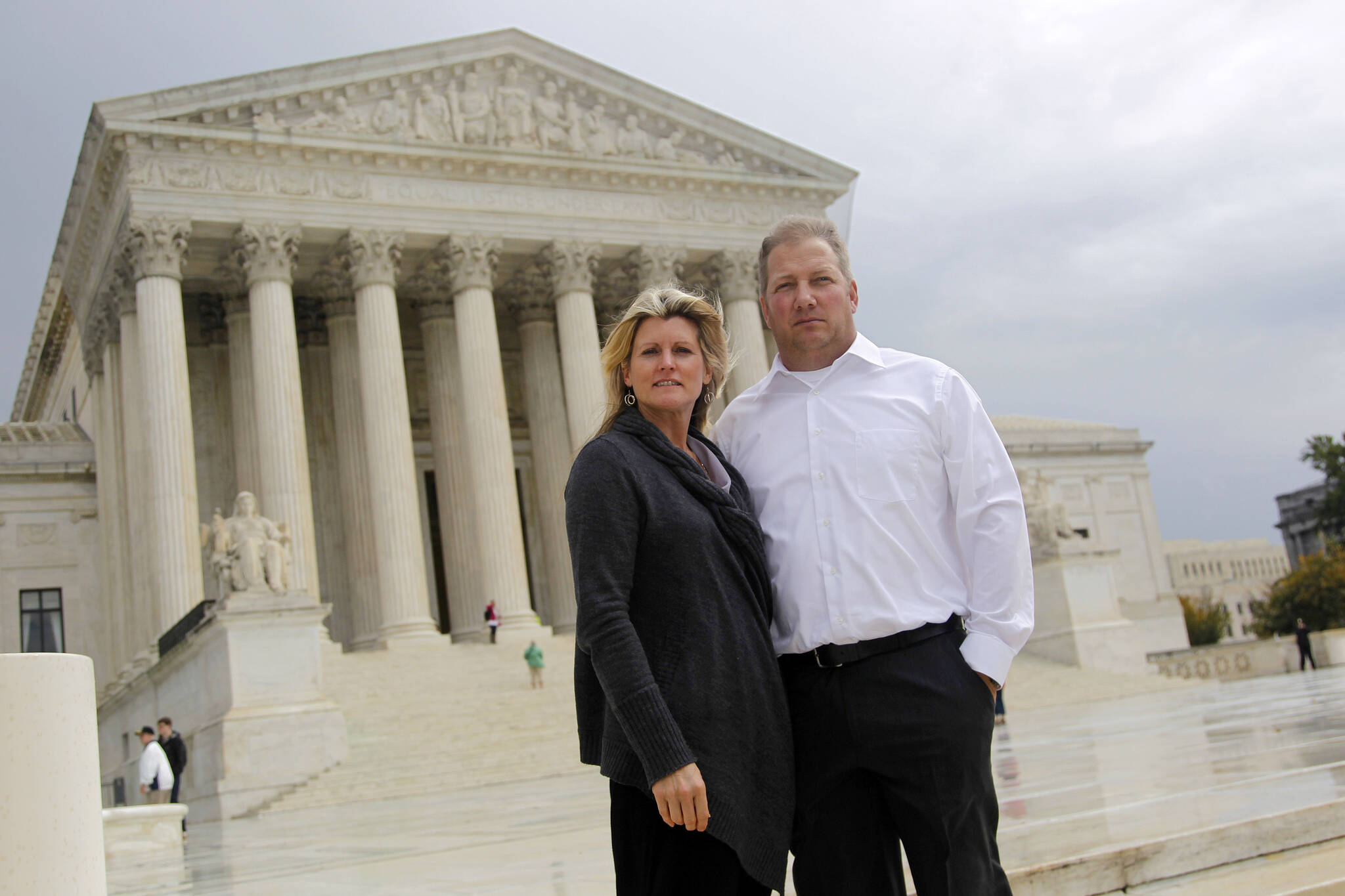
The justices boosted property rights over concerns about clean water in a ruling in favor of an Idaho couple who sought to build a house near Priest Lake in the state’s panhandle. Chantell and Michael Sackett objected when federal officials identified a soggy portion of the property as a wetlands that required them to get a permit before filling it with rocks and soil.
By a 5-4 vote, the court said in an opinion by Justice Samuel Alito that wetlands can only be regulated under the Clean Water Act if they have a “continuous surface connection” to larger, regulated bodies of water. There is no such connection on the Sacketts’ property.
The court jettisoned the 17-year-old opinion by their former colleague, Anthony Kennedy, allowing regulation of what can be discharged into wetlands that could affect the health of the larger waterways.
Kennedy’s opinion covering wetlands that have a “significant nexus” to larger bodies of water had been the standard for evaluating whether permits were required for discharges under the 1972 landmark environmental law. Opponents had objected that the standard was vague and unworkable.
The high court’s decision was cheered by Alaska Gov. Mike Dunleavy, Alaska Department of Environmental Conservation Commissioner Jason Brune and attorney general Treg Taylor in a news release from the governor’s office.
“The Court made the right call in limiting federal jurisdiction over wetlands and placing decision-making power back in the hands of States,” Dunleavy said. “This ruling stands to promote the kind of responsible development my Administration is working to bring to Alaska.”
Following the decision, Alaska’s departments will begin to redefine what lands will be subjected to Clean Water Act permitting requirements, according to the governor.
“Today’s ruling puts Alaska back on the map,” Dunleavy said. “There is no doubt, thanks to today’s ruling, that Alaska is once again open for business.”
Environmental advocates said the new standard would strip protections from millions of acres of the wetlands across the country.
Reacting to the decision, Manish Bapna, the chief executive of the Natural Resources Defense Counsel, called on Congress to amend the Clean Water Act to restore wetlands protections and on states to strengthen their own laws.
“The Supreme Court ripped the heart out of the law we depend on to protect American waters and wetlands. The majority chose to protect polluters at the expense of healthy wetlands and waterways. This decision will cause incalculable harm. Communities across the country will pay the price,” Bapna said in a statement.
The outcome almost certainly will affect ongoing court battles over new wetlands regulations that the Biden administration put in place in December. Two federal judges have temporarily blocked those rules from being enforced in 26 states.
EPA Administrator Michael S. Regan said in a state that the Clean Water Act has been responsible for “transformational progress” in cleaning up the nation’s waterways. “I am disappointed by today’s Supreme Court decision that erodes longstanding clean water protections,” Regan said in a statement.
Damien Schiff, who represented the Sacketts at the Supreme Court, said the decision appropriately narrowed the reach of the law. “Courts now have a clear measuring stick for fairness and consistency by federal regulators. Today’s ruling is a profound win for property rights and the constitutional separation of powers,” Schiff said in a statement issued by the property rights-focused Pacific Legal Foundation.
In Thursday’s ruling, all nine justices agreed that the wetlands on the Sacketts’ property are not covered by the act.
But only five justices joined in the opinion that imposed a new test for evaluating when wetlands are covered by the Clean Water Act. Chief Justice John Roberts, Justice Clarence Thomas and Alito would have adopted the narrower standard in 2006, in the last big wetlands case at the Supreme Court. They were joined Thursday by Justices Neil Gorsuch and Amy Coney Barrett.
Kavanaugh and the court’s three liberal justices charged that their colleagues had rewritten that law.
Kavanaugh wrote that the court’s “new and overly narrow test may leave long-regulated and long-accepted-to-be regulable wetlands suddenly beyond the scope of the agencies’ regulatory authority.”
Justice Elena Kagan wrote that the majority’s rewriting of the act was “an effort to cabin the anti-pollution actions Congress thought appropriate.” Kagan referenced last year’s decision limiting the regulation of greenhouse gas emissions under the Clean Air Act.
In both cases, she noted, the court had appointed “itself as the national decision-maker on environmental policy.” Kagan was joined in what she wrote by her liberal colleagues Sonia Sotomayor and Ketanji Brown Jackson.
The Sacketts paid $23,000 for a 0.63-acre lot near Priest Lake in 2005 and started building a three-bedroom home two years later.
They had filled part of the property, described in an appellate ruling as a “soggy residential lot,” with rocks and soil in preparation for construction, when officials with the Environmental Protection Agency showed up and ordered a halt in the work.
They also won an earlier round in their legal fight at the Supreme Court.
The federal appeals court in San Francisco upheld the EPA’s determination in 2021, finding that part of the property, 300 feet from the lake and 30 feet from an unnamed waterway that flows into the lake, was wetlands.
The Sacketts’ own consultant had similarly advised them years ago that their property contained wetlands.
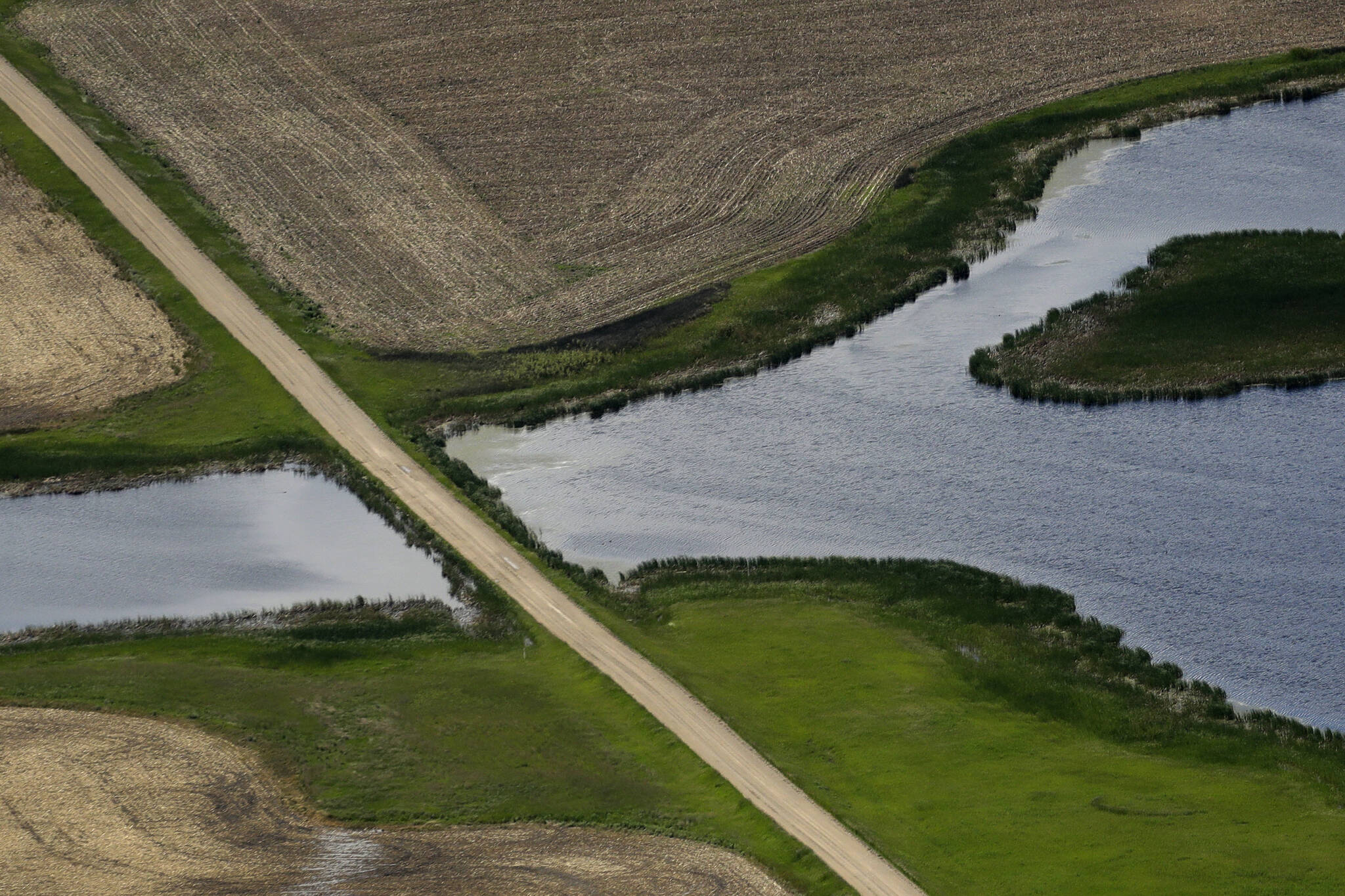
A road bisects a wetland on June 20, 2019, near Kulm, N.D. The Supreme Court has made it harder for the federal government to police water pollution. The decision from the court on Thursday, May 25, 2023, strips protections from wetlands that are isolated from larger bodies of water. It’s the second ruling in as many years in which a conservative majority has narrowed the reach of environmental regulations. (AP Photo / Charlie Riedel)
