
By DAVID SHARP
Associated Press
PORTLAND, Maine — Homebound travelers desperate to venture out for the first time since the pandemic are confronting a vacation landscape this summer that may require coronavirus tests for the family and even quarantines.
States from Maine to Hawaii are trying to strike a balance between containing the new coronavirus and encouraging out-of-state visitors to spend their cash on hotels, restaurants and other businesses.
The measures have gotten a thumbs-down from many in the tourism industry, who fear visitors will choose to wait things out until they can hit the beach without worrying about violating a state-imposed quarantine or searching for a testing site.
During a pandemic, discretion is the better part of valor, said Pauline Frommer, editorial director for Frommers.com and Frommers’ travel guidebooks.
“I think it’s important to look at what our safe options are. You don’t want to die because you went on vacation,” she said.
Some states like Hawaii have settled on quarantines. Maine, Alaska and Vermont have some version of a testing alternative.
Travelers to Alaska who are tested upon arrival are allowed to avoid further quarantine if they test negative. But they’re encouraged to limit their activities until they obtain a second negative test result.
In “Vacationland,” as Maine dubs itself, Democratic Gov. Janet Mills thought she was doing the tourism industry a favor by providing an alternative to the 14-day quarantine. Visitors can skip the quarantine altogether if they can show they’ve tested negative for the virus within 72 hours before arrival.
Some innkeepers and restaurateurs complain the measure falls short of what is needed to attract tourists and salvage their summer season.
“We don’t think visitors are going to jump through hoops like that. They’ll just choose another destination,” said Steve Hewins from HospitalityMaine, the state’s tourism trade group.
Hawaii Gov. David Ige extended the state’s mandatory two-week quarantine for all arriving travelers, even as the state scrambles to produce a screening process that could allow some travelers to return.
In Florida, which has recently seen a spike in cases, visitors from New Jersey, New York and Connecticut are required to quarantine. New York, meanwhile, is considering requiring Florida visitors to quarantine.
In Vermont, visitors can cut short the two-week quarantine if they get a test after a week that comes back negative.
“There is pent-up demand, people are wanting to come to the state,” so anything to help travelers plan and reduce their burden is a good thing, said Tim Piper, president of the Vermont Inn and Bed and Breakfast Association.
New Hampshire, meanwhile, is requiring out-of-staters to attest to having quarantined at home for 14 days before staying at a hotel or other lodging property. That idea was adopted after the state rejected the idea of forcing visitors to quarantine.
Safety concerns are real in Maine, the state with the nation’s oldest population, a segment that’s vulnerable to the coronavirus.
Maine, which touts its lobster, lighthouses and rocky shore as attractions, depends heavily on tourism. Its population of 1.3 million swells with 37 million visitors during a typical year.
Visitors can avoid a quarantine by being tested before they arrive, or they can reduce the quarantine’s duration by being tested after arrival. But the state is encouraging visitors to test before arrival, and “know before you go.” Vermont and New Hamsphire residents are exempted from the rules.
Maine innkeepers say the tests are burdensome because they’re potentially costly — and not readily available.
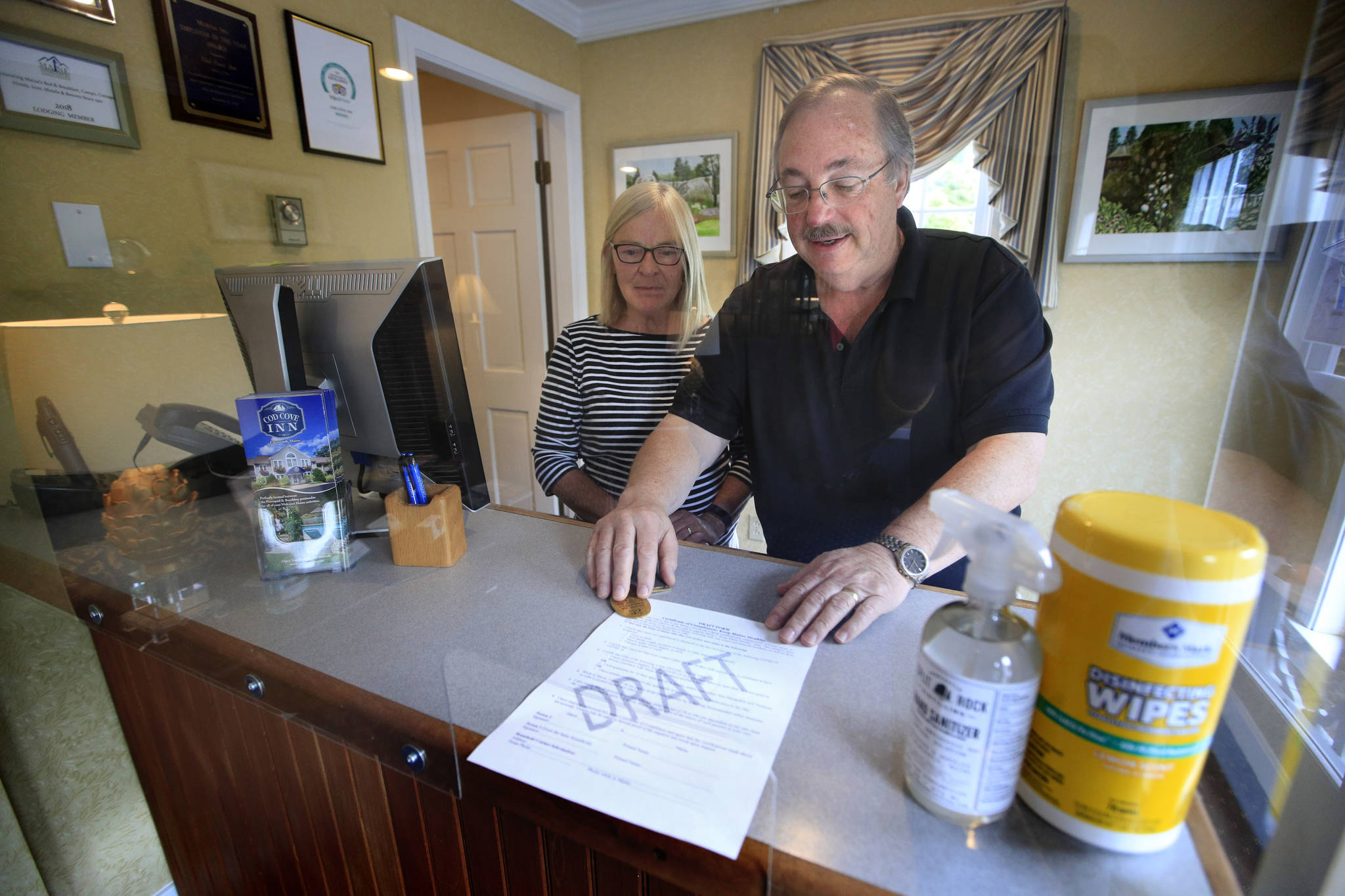
At the Cod Cove Inn, owner Ted Hugger questions whether out-of-staters will pony up for the tests, which cost $150 if paid out of pocket. He also questioned whether tests will keep people safe since those 18 and under and traveling with adults are exempt.
“It just doesn’t make sense,” he said. “It’s not a viable option.”
Jeremiah Hawkins, 72, of New York, said the changes may make him rethink his August visit to the Maine coast. He said it’s not easy to get tests, especially within a 72-hour window before arrival.
“It’s draconian,” said the retired film executive. “Why do I want to go there if no one wants me?”
Hewins, of HospitalityMaine, winces at the idea of a teenage hotel desk clerk being put in the awkward position of turning away families with reservations who’ve driven hours to vacation in the state.
He prefers the approach in neighboring New Hampshire, which has something closer to an honor system for visitors.
Mills, the governor, said quarantines and tests are necessary to prevent an even greater calamity as the coronavirus remains a threat.
More than 2,800 people have tested positive and more than 100 people have died from COVID-19 in Maine. Those are modest numbers compared to hard-hit states but Maine’s rural hospitals could be overwhelmed if millions of visitors arrived without any safety provisions, the governor said.
“I can think of nothing more devastating than an outbreak or resurgence of this deadly untreatable virus during the height of tourism season,” she said.
• This is an Associated Press report.
