
By Becky Bohrer
The Associated Press
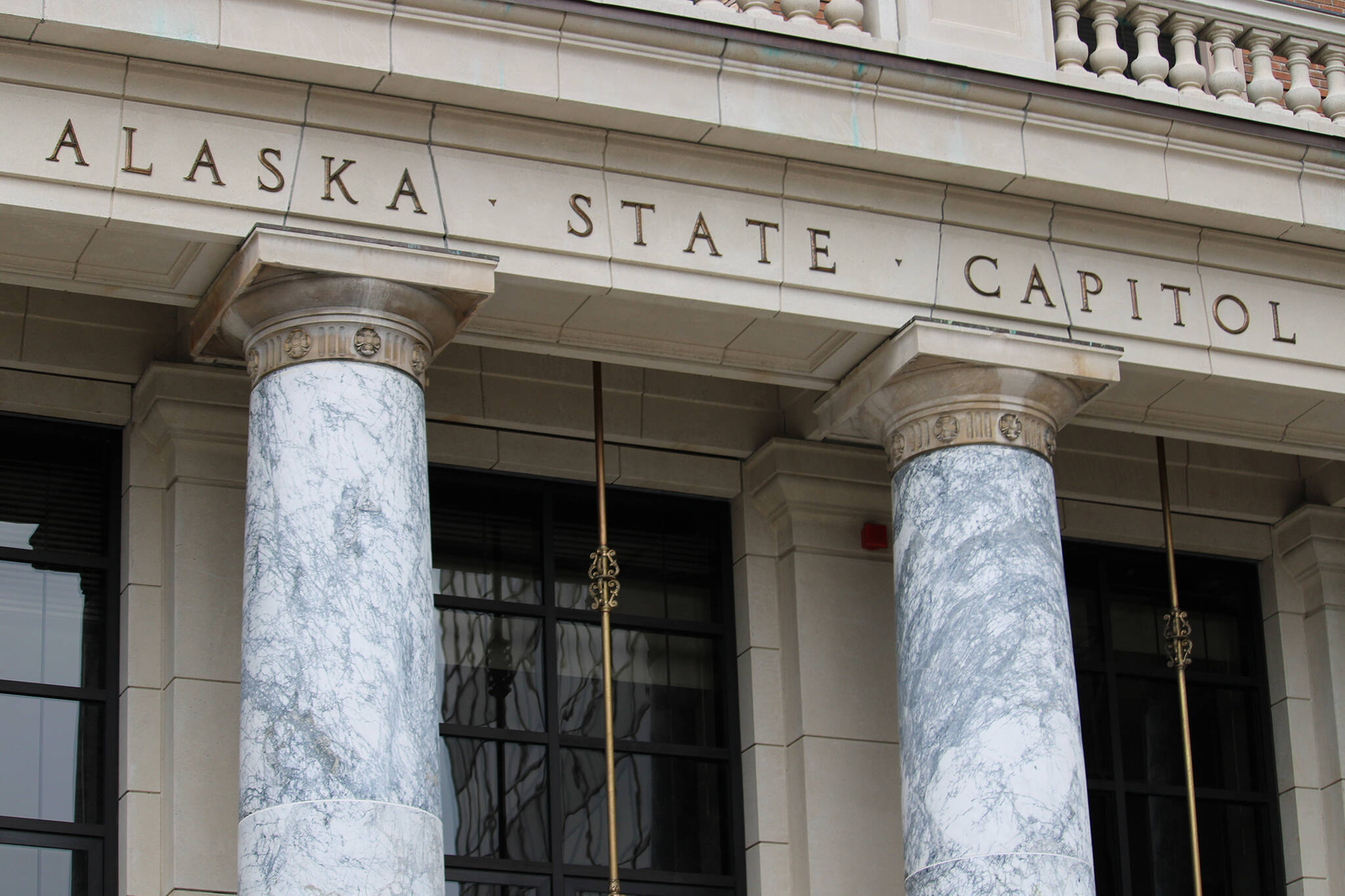
The Alaska House narrowly passed legislation that would set a limit on individual contributions to candidates after prior limits were struck down by a court and the state agency overseeing campaign finance rules urged the Legislature to revisit the contribution limits issue.
The bill, from Rep. Calvin Schrage, an Anchorage independent, would set a $2,000 limit on what an individual could contribute to a candidate each campaign period.
The bill has a $5,000 a year limit on what an individual can give a group, such as a non-party group, said Erik Gunderson, an aide to Schrage.
The bill, which also addresses contribution limits for non-party groups, calls for periodic adjustments to the limits based on inflation rates. It seeks to make the limits retroactive to March 3.
The bill passed 21-18 late Wednesday. It next goes to the Senate.
A divided federal appeals court panel last year struck down a $500-a-year limit on what an individual can give a candidate. It also struck down a $500-a-year limit on individual contributions to non-party groups and a cap on total nonresident donations that a candidate can raise.
The Alaska Public Offices Commission, in a decision dated March 3, did not approve a staff proposal that suggested that limits in place before those that were struck down “apply as adjusted for inflation.” The proposal had suggested limits of $1,500 per calendar year for individuals to candidates and non-party groups.
The commission, in its decision, said it declined to revive the old contribution limits and also declined to index those for inflation. There were legal questions about whether it even had the power to do those things.
The commission office has said that “‘until the Alaska State Legislature takes action on this issue, there are no longer any individual-to-candidate and individual-to-non-political party contributions limits for Alaska’s state and local elections.”
Supporters of the bill passed by the House said Alaskans want contribution limits. Some critics expressed concern with placing limits on what candidates can receive or the size of the proposed limits. Some referenced a 2010 U.S. Supreme Court decision that paved the way for corporations, unions and interest groups to make unlimited independent expenditures.
The bill notes that it does not impose limits on contributions made to groups that only make independent expenditures.
Alaska Gov. Mike Dunleavy in January expressed concern with the public offices commission staff proposal, saying the agency’s role is to “carry out law, not create law.” He told The Associated Press at that time that the Legislature should “eagerly” be taking up questions around campaign finance “because they help with clarity.”
Earlier this month, after the public offices commission decision, Dunleavy’s office said the Republican governor believed “setting a new limit on campaign contributions needs to be a legislative priority this session.” But the Anchorage Daily News reported Dunleavy that same day told the outlet he thinks political donors should be able to contribute as much as they want, provided that candidates have to disclose where their money comes from.
“You know me: I’m the guy that wants people to be able to drive four wheelers on the road. I’m a freedom guy,” he told the newspaper. “My tendency is to just let people do what they want in campaign finance law, as long as it’s disclosed and it’s accurate.”
Dunleavy spokesperson Jeff Turner, in response to AP’s questions about Dunleavy’s position, issued a statement this week saying Dunleavy “believes unlimited individual contributions from Alaskans to the candidates they support are allowable, as long as rigorous campaign disclosure requirements are in place so Alaskans will know where every dollar is coming from.”
Dunleavy faces reelection this year, and most legislative seats are up for election.
