Crime data will be much more accurate under new system
Published 4:00 am Thursday, February 7, 2019


Alaska will soon be switching to a new data recording system to better track crime in the state, although some lawmakers are worried about the price tag involved.
Starting in 2021, the Federal Bureau of Investigation (FBI) will only be using data collected through a data system called the National Incident Based Reporting System (NIBRS). During a presentation to an informal gathering of state representatives Tuesday, DPS Division of Statewide Services Bureau Chief Kathryn Monfreda said NIBRS would result in a wider array of crime and demographic statistics.
“It will allow you representatives to have a much more robust understanding and information available to you for making decisions,” Monfreda said.
The current system in place, called the Summary Reporting System (SRS), is out of date, Monfreda said. The SRS only records 10 types of crimes, as opposed to NIBRS recording 24. In instances where there are multiple offenses, SRS only records the most serious offense. This results in lesser crimes not being included in year-end statistics and thus gives decision makers an incomplete view of which crimes are being committed.
Monfreda’s presentation gave an example of a crime where someone is beaten, robbed, their car is stolen and their credit card is used. The state’s current crime-reporting system would count that as a strong-arm robbery of a residence with the vehicle and the cards listed as stolen property. The NIBRS system would count this as robbery, motor vehicle theft and fraud. It would also include more specific demographic data on the victim and offender, according to Monfreda’s presentation.
More data can lead to more informed decisions, Monfreda said.
“Over the years, (the SRS has) been determined to not be very good for very in-depth statistics for comparisons to other states or to (provide) information to committees on victims or suspects,” Monfreda said.
The FBI didn’t require states to begin using NIBRS but will limit grants to states that don’t change over, Monfreda said. In 2015, DPS opted in for Alaska and the FBI gave the state a grant in 2017 to start changing its systems, Monfreda said.
The Alaska State Troopers will transition fully over to using NIBRS by Jan. 1, 2021, Monfreda said. The DPS is working with local departments to try to help them transition to using the technology, Monfreda said.
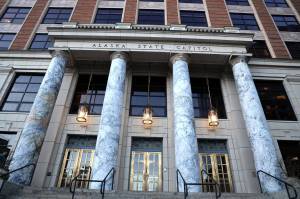
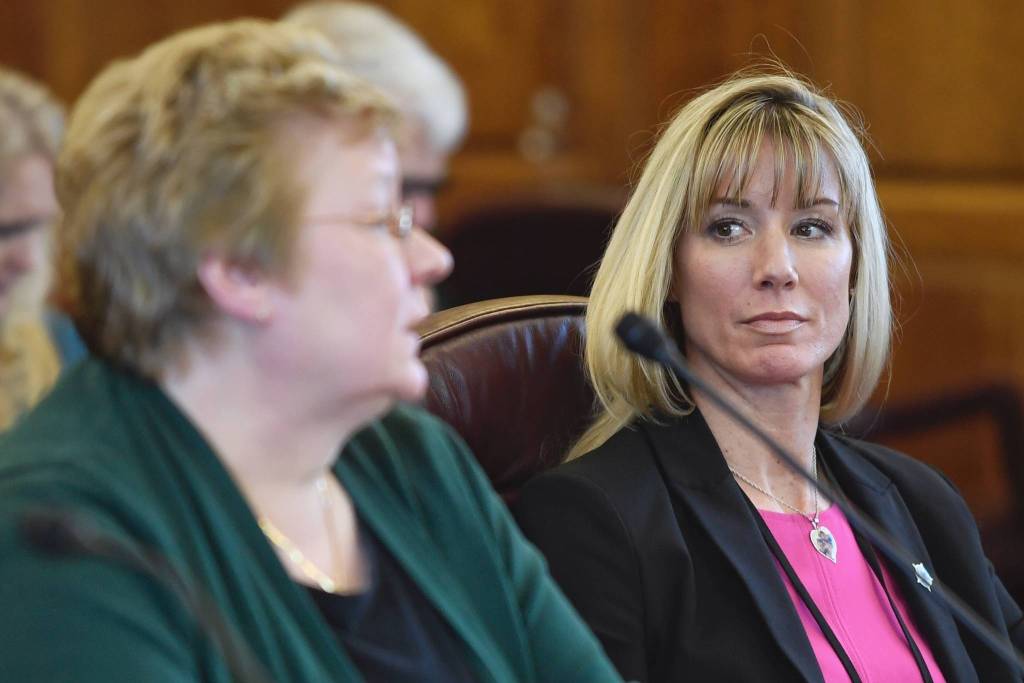
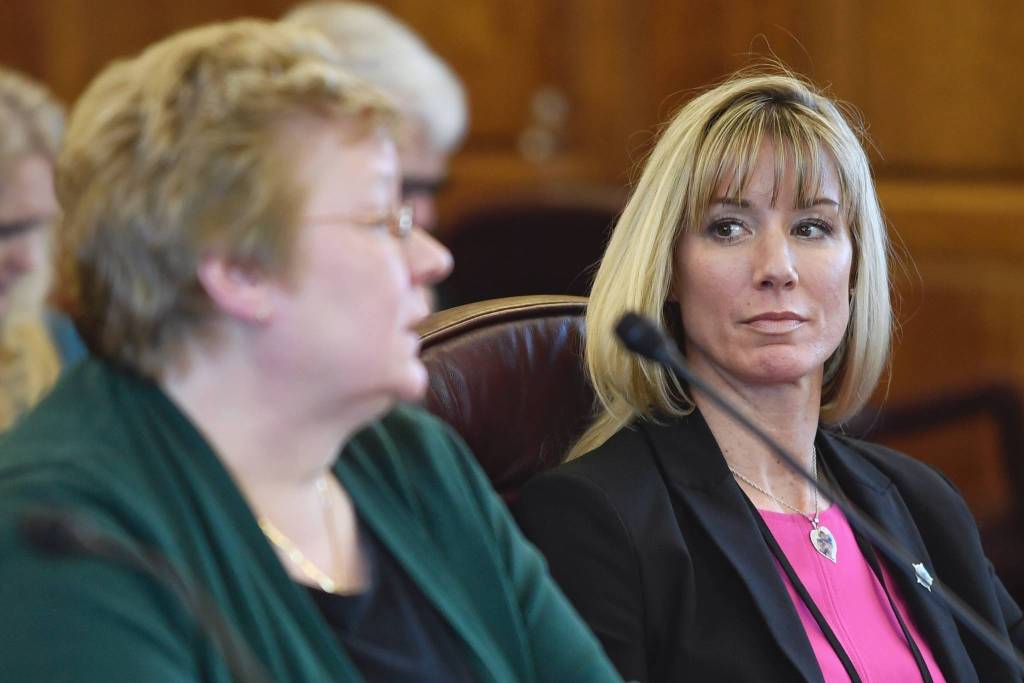
More than 20 representatives were in a conference room at the Alaska State Capitol to listen to Monfreda, who was alongside DPS Commissioner Amanda Price.
The main concerns representatives had were related to how much this change would cost. Monfreda didn’t have a specific answer for how much it would cost for departments, but in her presentation she said some departments will need to upgrade or purchase new records management systems to transition to NIBRS.
Rep. Tammie Wilson, R-North Pole, was particularly vocal during Tuesday’s hearing about the unknown costs surrounding the transition. She asked why the state is doing this if the cost is so unknown. Monfreda said DPS is communicating with agencies to try and figure it out. She said agencies will make their own decisions about how to reallocate resources if necessary.
“All the agencies we’re aware of and have been talking to since this first came up are in the process of converting as well as they can,” Monfreda said.
Juneau Police Department Lt. Krag Campbell said Wednesday that JPD has to update its records management system, which he called “a fairly big project.” He did not have an estimate for how much that might cost.
The ball is already rolling on these changes, Monfreda said in an interview after the presentation. On Jan. 22, she said, Alaska State Troopers made changes to its computer systems so Troopers who are entering crimes do so in the same way they will when the system permanently switches over to NIBRS.
Monfreda said the state is getting some federal funding for the transition. Other states including Nevada have also reported getting federal assistance. In a presentation to members of the Nevada Legislature in late 2018, the Nevada Department of Public Safety reported that the federal Office of Criminal Justice Assistance (OJCA) might also help out with funding.
According to a post from law enforcement officials from Michigan and Virginia through the National Police Foundation, some states such as Texas have provided funding for local agencies to transition. The Bureau of Justice Assistance also offers funding, according to the post.
• Contact reporter Alex McCarthy at 523-2771 or amccarthy@juneauempire.com. Follow him on Twitter at @akmccarthy.