State broadens challenge of ‘outside the cap’ funding to all school districts in Alaska
Published 9:30 pm Thursday, July 27, 2023
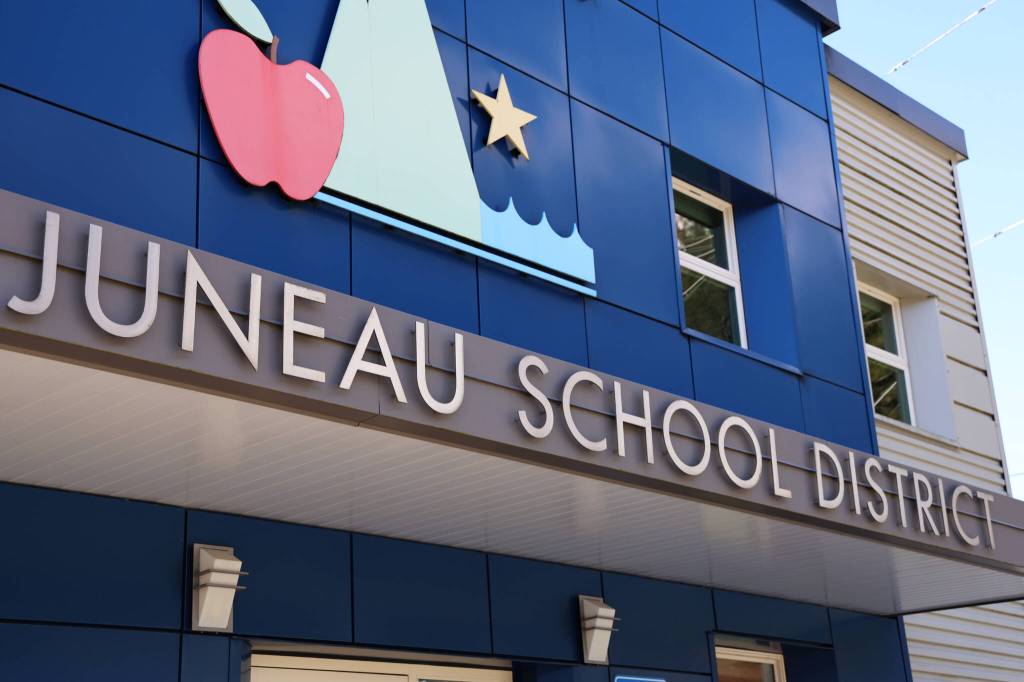
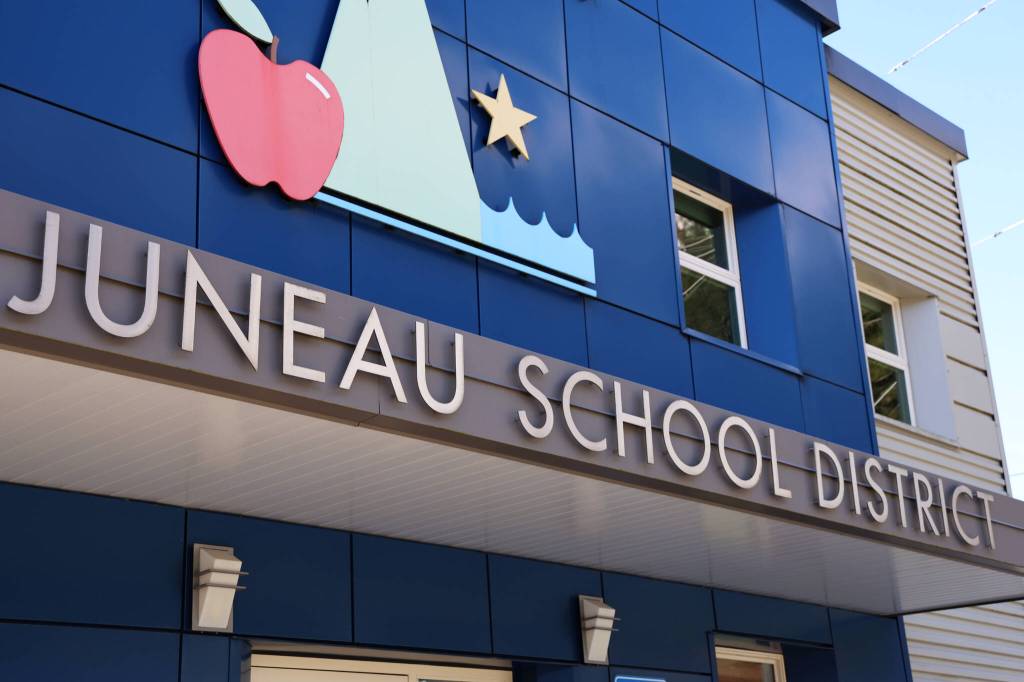


The state of Alaska has broadened its challenge of the Juneau School District’s years-long practice of accepting millions in “outside the cap” funding from the city to now challenge all districts across the state that make use of the funding mechanism.
[State challenges Juneau’s ‘outside the cap’ funding to district]
The state’s stance, if not challenged, could mean millions of education funding cuts in Juneau and districts across the state, and “could trigger an educational funding crisis for future years,” according to the Juneau Board of Education, which sent out a letter to the Alaska Department of Education and Early Development on Friday morning defending its use of “outside the cap” funding.
The term “outside the cap” refers to a years-long practice of extra local funds the Juneau district and other districts in Alaska have utilized to pay for costs they don‘t believe are subject to the state’s formula, which identifies what and how much local funding can be given to districts for instructional use.
The state’s letter being sent coincides with the recent loss of significant funding for districts following Gov. Mike Dunleavy vetoing half of an increase in education funding approved by the Legislature.
For years the City and Borough of Juneau has allocated millions in “outside the cap” funding to the district for non-instructional costs, like pupil transportation or Community Schools, without pushback from the state.
“Labeling funds as ‘outside the funding cap’ or identifying the allocation to a special revenue fund does not make it compliant,” stated a letter sent to all the districts across the state from DEED. The letter states that if the practice of “outside the cap” funding to districts is continued and is not refunded “then state aid will be reduced to maintain compliance with the federal equalization.”
According to Lori Weed, the DEED school finance manager, the letter to Juneau was sent because the state in recent years has failed federal disparity tests due to districts allocating “special revenue funds” for purposes like pupil transportation. The disparity test is a little-known rule involving areas affected by Federal Impact Aid, which for Alaska means proving there is less than a 25% funding difference between the highest- and lowest-funded districts.
Members of the Juneau Board of Education and district administration convened early Friday morning to discuss and move forward with a response to the state’s demands that the district halt the acceptance of funds that exceed the statutory “funding cap” for education spending. The Juneau School District was the first district to receive a letter challenging the practice in late June, followed by other districts receiving a similar letter Thursday evening.
At the meeting, members expressed their disagreement with the state’s assessment, arguing numerous expenses such as student transportation and school maintenance are exempt from the cap, and similar allocations have been made by Juneau and other districts statewide for years.
Board President Deedie Sorensen said it’s incumbent upon the state that it gives a more clear reason behind why it is challenging the funding mechanism now after years of it being in practice.
“I think they need to tell us what the reason is, rather than us trying to guess what the reason is, or rather than us going in some direction on assumed reason,” she said. “I really feel like it’s better for us to ask and say ‘tell us what’s going on here,’ because my observation has been that no two people have the same idea of what’s going on.”
The district’s letter asks for further clarification on the state’s challenge. It also shares additional background information defending why the district believes the use of “outside the cap” funding is justified.
The letter also argues the Dunleavy administration “may have manufactured this educational fiscal crisis” and, if the funding veto this June had not occurred, the state would not be breaching the federal disparity test because every school district’s fiscal floor would have been raised.
Members such as Vice President Emil Mackey expressed the urgency behind taking a stance on the issue, as the district could find itself in a $2.28 million hole in its $95 million budget for the current fiscal year that started July 1 if it can’t successfully challenge the state’s position. If that happens, the Juneau Assembly will have to rescind the $2.28 million in funding.
This potential cut would be in addition to the district‘s budget cut in recent weeks of about $760,000 in spending for the current fiscal year, including cutting two staff positions, to address state funding shortfalls resulting from Dunleavy‘s veto.
According to CBJ Municipal Attorney Robert Palmer, the district has not informed the city to draft any type of litigation to rebuttal the state’s stance at this time, but he said it’s not out of the question.
• Contact reporter Clarise Larson at clarise.larson@juneauempire.com or (651)-528-1807.