State begins process for health department split
Published 2:30 am Tuesday, March 22, 2022
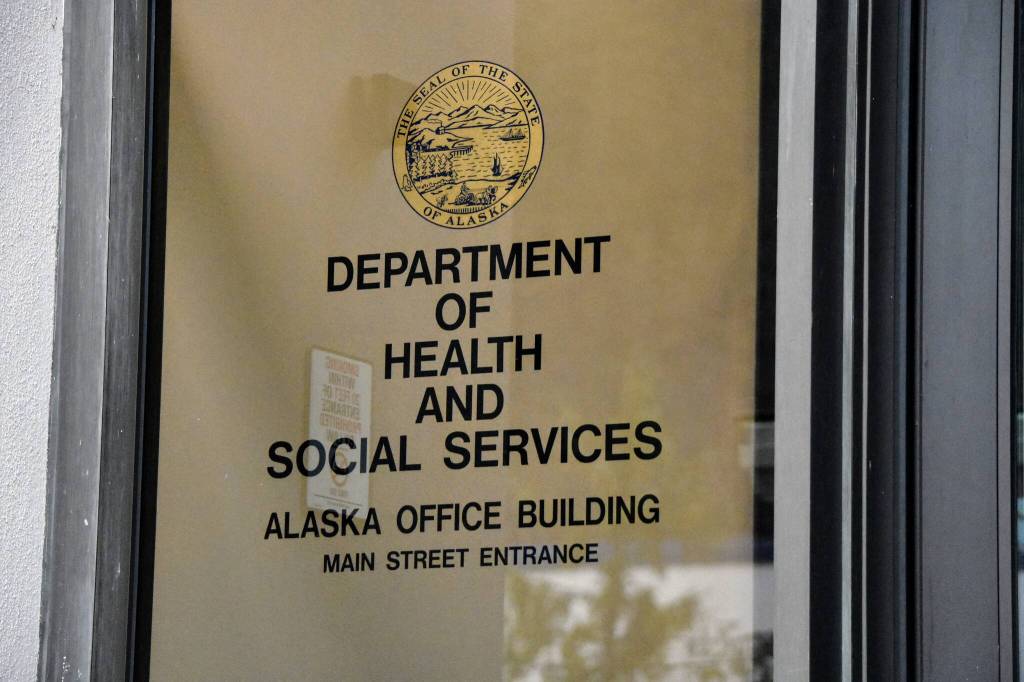


Despite opposition from some members of the Alaska House of Representatives, Gov. Mike Dunleavy’s executive order to split the Department of Health and Social Services went into effect of the weekend, and state officials are now working on implementation.
In a news conference Monday, Dunleavy and DHSS Commissioner Adam Crum said there would be no disruption of services as the department is split.
“We’re going to end up delivering the programs in the manner that they should be delivered,” Dunleavy said.
DHSS is the state’s largest department, and Dunleavy and his administration have argued its employees often struggle to manage the various services provided.
Starting July 1, 2022, DHSS will split into the Department of Health and the Department of Family and Community Services. During the conference, Crum said the Department of Health will cover the more administrative aspects of DHSS while Family and Community Services will be more facilities-based. Each department will have its own commissioner who can focus on those specific issues.
Dunleavy initially announced plans to split DHSS in January 2021, but withdrew the order after the plan drew criticisms from Alaska Native groups. Tribal governments often collaborate with the state for the provision of health services, and speaking against the initial proposal Central Council of the Tlingit and Haida Indian Tribes of Alaska President Richard Chalyee Éesh Peterson noted the majority of children in state care are Alaska Native.
[State constitutional convention measures stoke partisan fear]
In December, Dunleavy announced another attempt at splitting the department, this time, he said, following extensive meetings with stakeholder groups. Crum said at the conference the biggest difference between the initial proposal and the second one was time.
“The biggest difference has been time,” Crum said. “We worked with our stakeholder groups. There were lots of changes to the technical aspects, those were the biggest changes that happened over time.”
But there are still concerns about how the restructuring will impact services and priorities. In an interview with the Empire, Tlingit and Haida Tribal Family and Youth Services Director Mary Johnson said she still had some concerns about the split. The state works with tribal authorities like Tlingit and Haida for the provision of certain services, and Johnson said she’s been advocating for better integration of state and tribal services for the foster care system. Johnson said she’s worried the split will divert time and money away from those priorities.
“With two separate administrations, a commissioner for each side, that’s going to cost a lot of money, and I worry about how that will impact tribal efforts,” Johnson said.
Johnson said DHSS did a better job communicating the plan the second time around but also noted the tribe had requested a more formal tribal consultation meeting as outlined in a 2017 agreement.
DHSS has set up a website — reorg.dhss.alaska.gov — and Crum encouraged stakeholders to contact the department with any concerns.
There was still some opposition to the split in the Alaska House of Representatives, but in order to prevent an executive order, a joint session of the Alaska State Legislature must be called, which only the Senate can do. According to Senate President Peter Micciche, R-Soldotna, most senators weren’t necessarily opposed to the split.
Speaking at the conference Monday, Micciche called the decision “apolitical” and said DHSS staff had done a thorough job in reorganizing the department. In a previous meeting with reporters, Micciche said the Legislature could pass subsequent bills to address any issues caused by the split.
“Good government starts with good management,” Micciche said.
Splitting DHSS, Micciche said, would be a “blend of public sector institutional knowledge with private sector efficiency.”
According to DHSS, the newly created Department of Health will administer the divisions of public health; public assistance; behavioral health; health care services and senior and disability services. DOH oversight includes program eligibility, public health and the Medicaid program.
The Department of Family and Community Services will cover the Division of Juvenile Justice, the Alaska Psychiatric Institute, the Alaska Pioneer Homes and the Office of Children’s Services. Currently, Crum is slated to be the commissioner of the new DOH, but a commissioner for DFCS has not yet been named.
Crum said though DHSS was beginning its transition phase, there would be no disruption of services.
“The same phone numbers or email addresses you’ve been using will still be in place,” Crum said. “You’ll still be working with the same people.”
• Contact reporter Peter Segall at psegall@juneauempire.com. Follow him on Twitter at @SegallJnuEmpire.