
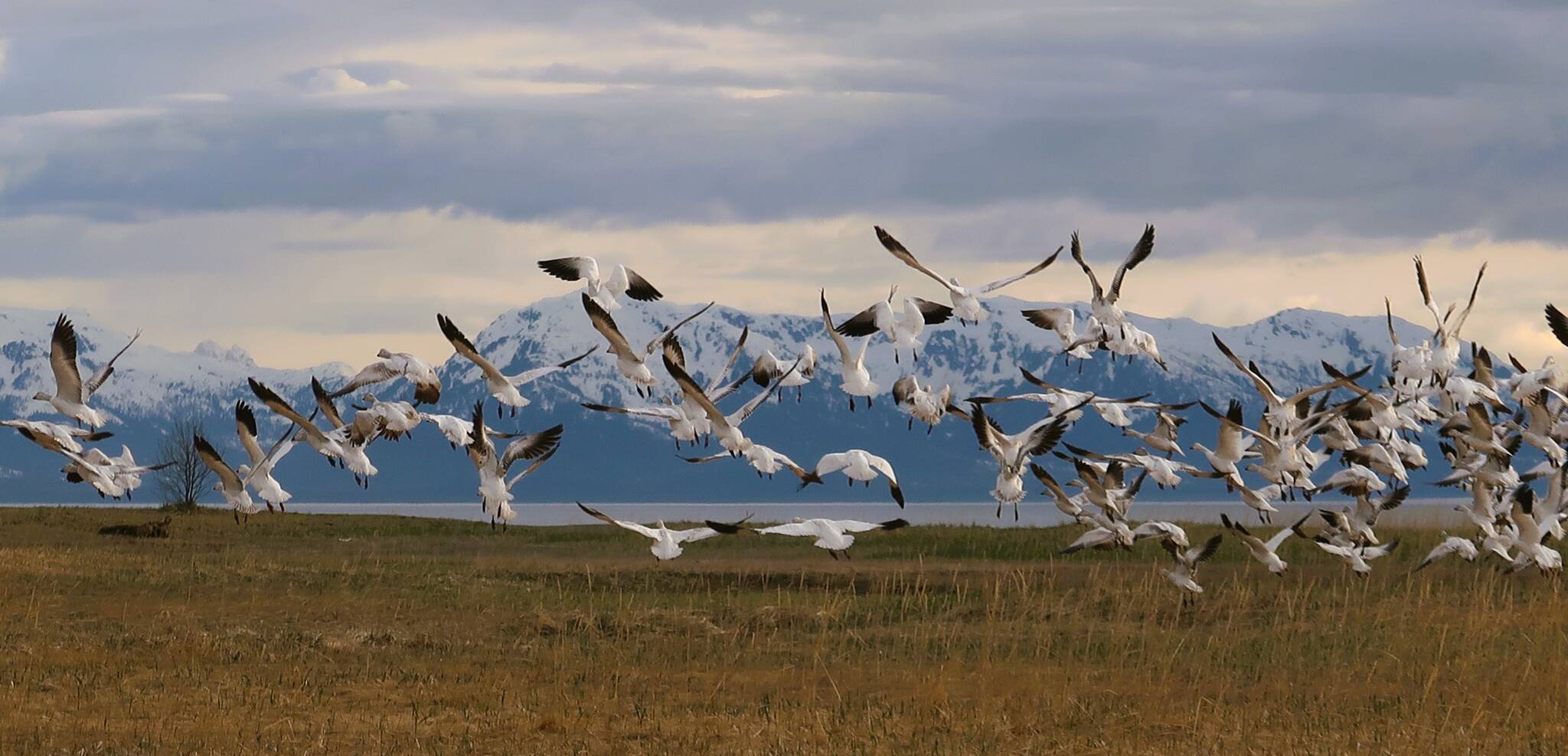
A 187-acre stretch of wetlands and coastal meadow along the Icy Strait is now protected under a new conservation easement between the Southeast Alaska Land Trust and the DeBoer family.
The Gustavus Beach Meadows easement expands SEALT’s conservation footprint of more than 3,600 acres of land across the region, including 29 sites in and around Juneau.
The property joins a stretch of protected land to form one of Southeast Alaska’s largest undisturbed wetland meadows. The beach meadow connects several ecosystems: from the Icy Strait shoreline through the meadows, into the upland and the forested areas.
“Anytime you have a place where different ecosystems meet, there’s very often increased variety, increased biodiversity, and different natural communities interacting in ways that are unique and kind of special,” said SEALT media contact Bailey Williams.
Gustavus Beach Meadows shares similar ecology with the Mendenhall Wetlands. Both landscapes were carved by the glaciers that shaped the waterways of Southeast Alaska thousands of years ago, and are now experiencing isostatic rebound, a gradual uplift of land once compressed under massive glaciers.
At the tideland, freshwater from glacial rivers blends with seawater, creating habitat for diverse plant and animal life. These wetlands serve as key stopover for migratory birds along the Pacific Flyway that connects Alaska to South America. The waterways are a habitat for anadromous fish. Mammals such as bears and deer stop to graze in the meadow.
Mendenhall Wetlands has been described as a “superhighway” for for wildlife such as wolves. Moose frequent the beach meadows in Gustavus.
The biodiversity of the area is part of what makes the Gustavus Beach Meadows, much like Mendenhall Wetlands, a beloved fixture of the community, Williams said.
The DeBoer family has offered its land as a public community space for the past three generations. The easement makes the conservation and public access legally binding.
“They’re using this land so the next generation still has access to some of those things we love as Alaskans,” Williams said. “We value having the birds, and we value being able to fish. We value the abundance of the nagoonberries and the fireweed and all these medicinal and edible plants.”
Williams noted that SEALT does not follow a strict preservationist philosophy, which holds that natural lands should remain untouched by humans. Instead, the land trust seeks to foster a human-to-land “relationship, reciprocity,” Williams says.
The current agreement is a five-year term easement, but SEALT hopes to make it permanent.
“It is a wonderful example of community conservation, how it works — people can get together to protect the places they love,” Williams said.
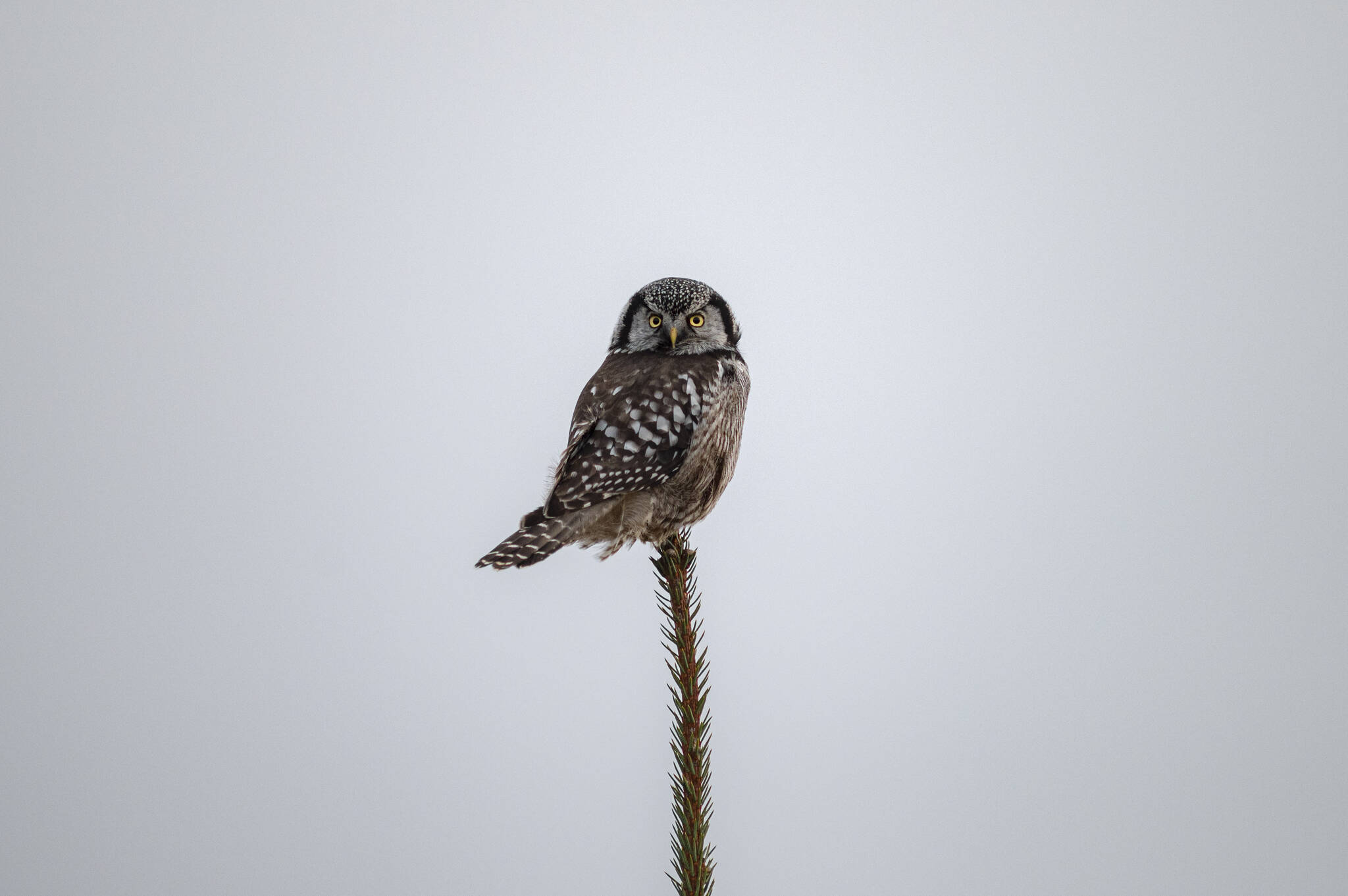
A hawk owl perches in the Gustavos Beach Meadows. This photo was an audience pick from the May art show in Gustavus. (Photo by Sean Tevebaugh, tevebaugh234@gmail.com)
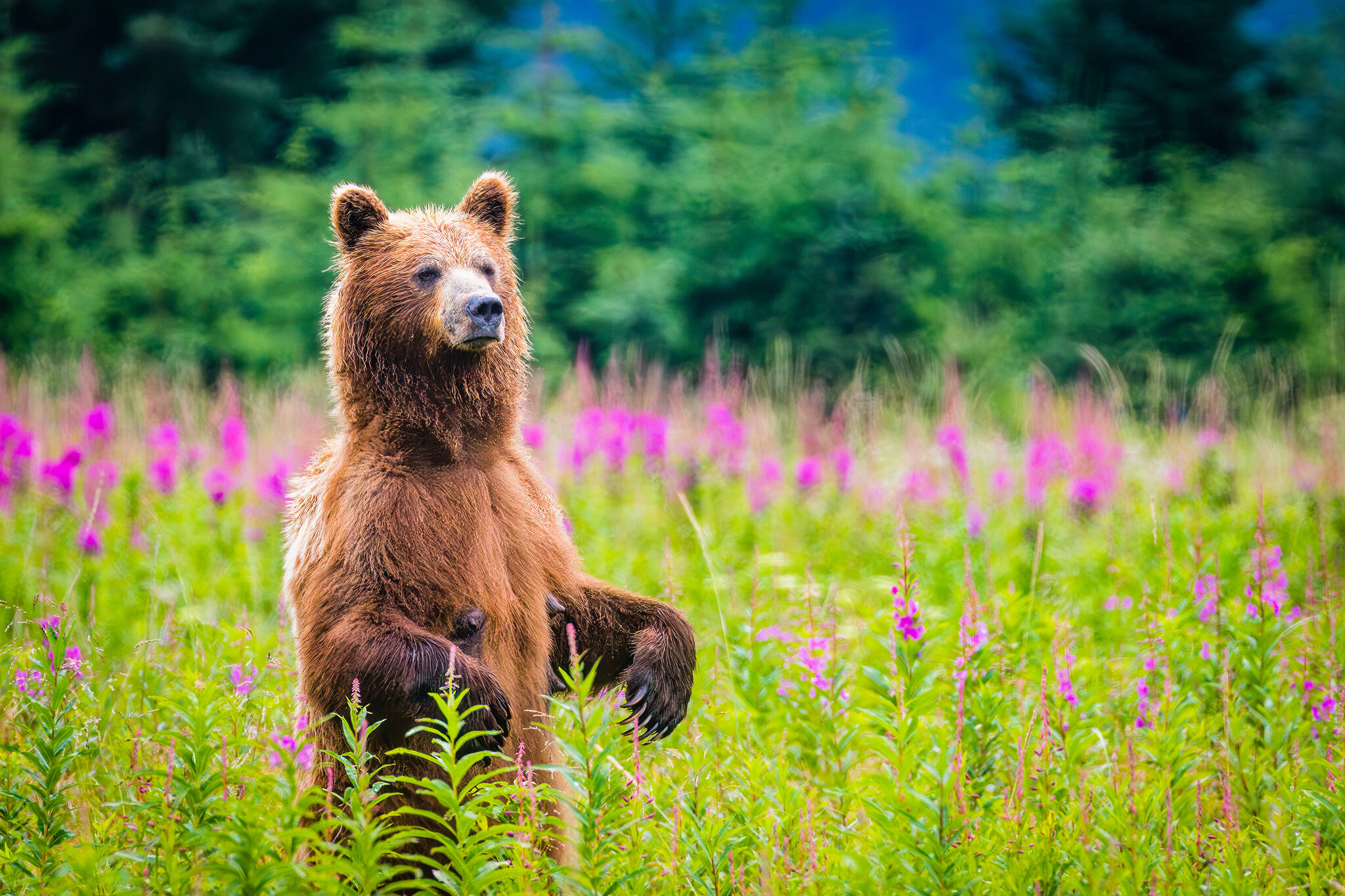
A brown bear stands up among the pink fireweed in the Gustavos Beach Meadows. This photo was an audience pick from the May art show in Gustavus.(Photo by Sean Neilson, seanneilson@gmail.com)
