
By MARK THIESSEN
Associated Press
ANCHORAGE — A neglected site where the Alaska territorial flag was designed, sewn and first flown will be demolished despite last-minute efforts by Alaskans and a preservation group to save it.
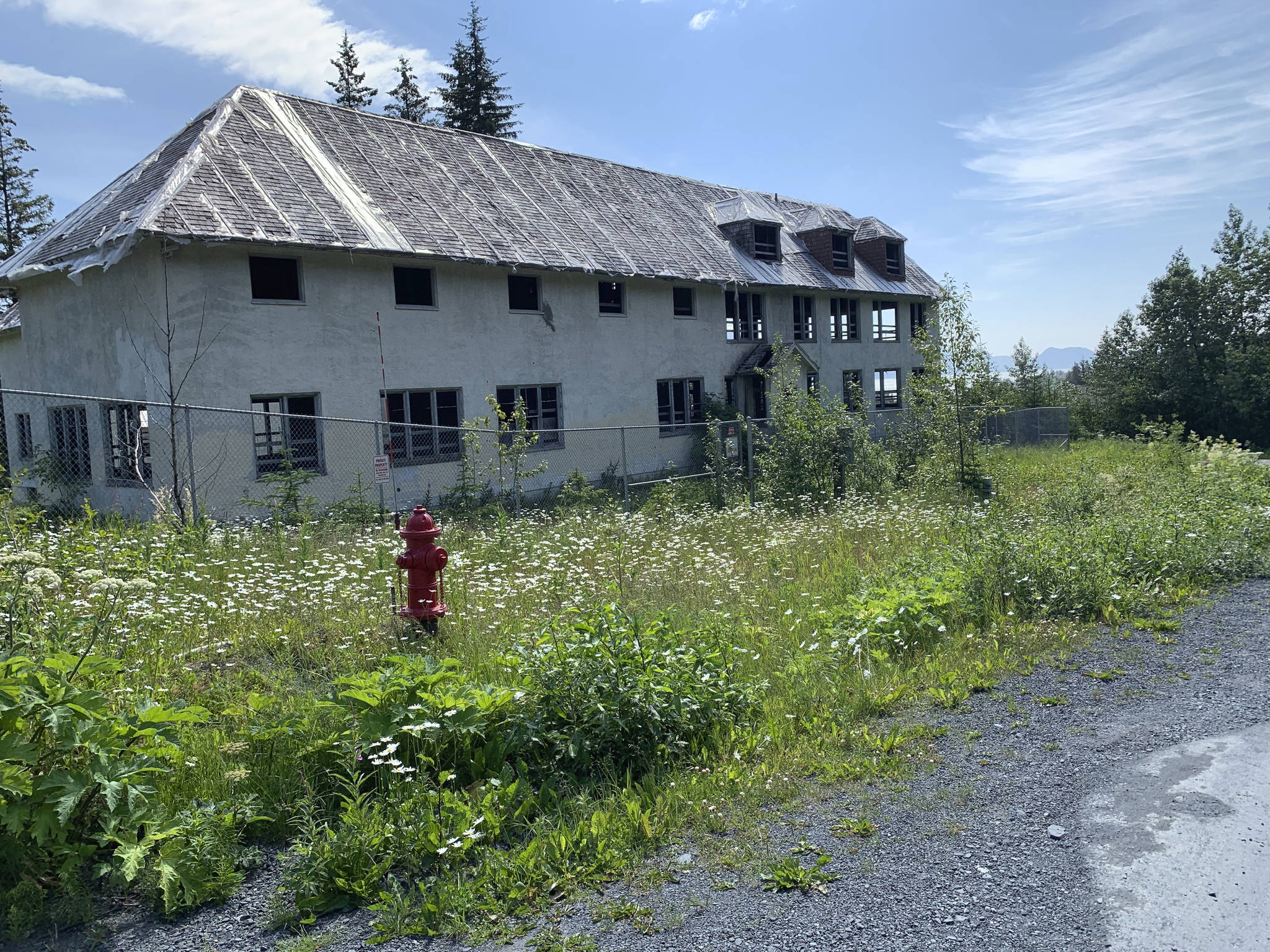
The Seward City Council voted Monday to raze the Jesse Lee Home, once a Methodist-run facility where orphans and other displaced children from Alaska Native villages were sent, many after the Spanish Flu epidemic of a century ago.
The home’s most famous resident was Benny Benson, a 13-year-old Aleut who won a territory-wide contest in 1927 with his flag design — seven gold stars forming the Big Dipper, pointing to the larger golden North Star, all on a field of blue. The design became the state flag after Alaska was admitted into the union in 1959. Benson is believed to be the only Indigenous person to design a state flag.
[Will they demolish historic site?]
“Seward is being painted in a light that we don’t respect our history,” Seward Mayor Christy Terry said before the council voted to spend a $1 million state grant for demolition.
“We have the opportunity to preserve the history and the legacy of a very important structure to the Alaska people, but it doesn’t mean that we have to preserve the building,” she said.
The plan is to raze the two remaining rundown buildings of the Jesse Lee Home and eventually build a memorial at the site with community input.
Terry has said her idea would be to have a pavilion using some of the salvaged wood from the property along with storyboards detailing the history and historical importance of the home. She also envisions a playground after closing another one nearby so that space could be created for housing.
The children’s home was moved to Seward from Unalaska and opened in 1925. It operated there until it was heavily damaged in the 1964 Alaska earthquake, and the children were moved to Anchorage in 1966.
The Seward site sat unused for more than 50 years, and efforts to revitalize the home by private and public groups sputtered over the years.
[Meager returns worry fish industry]
More than 20 letters were read at the council meeting, many calling for the city to save the historical structure.
“We’re definitely disappointed,” said Trish Neal, president of the Alaska Association for Historic Preservation, a group that hoped for a reprieve for the structure. “I think we made a great effort to show the council and the community that there are a lot of people out there who supported saving the building.”
One resident said she will be happy to see the home gone.
“The funds are available and there is opportunity to beautify the area while still respecting the Jesse Lee Home history,” Rhonda Hubbard wrote to the council. “We need to demolish this old building, a building that is beyond repair, serves only as a hazard and visual blight to Seward.”
Hubbard said the community has “Jesse Lee Home fatigue, and it is important we not allow it to take up more of our time and energy.”
Seward-born Jackie Pels, who now lives in the San Francisco Bay Area, is publisher of “Family After All: Alaska’s Jesse Lee Home.”
“I’m wistful, but I think it’s the only sensible decision at this time of statewide economic pain worsened by pandemic,” Pels said in an email to The Associated Press.
“The prospect of a ‘story pavilion’ on the site, commemorating the lives of hundreds of people as well as the birth of the beloved flag, is greatly appealing, and who better than Seward’s community of artists and historians to bring it about?” she said.
