Senate passes bill implementing new civics requirements to graduate high school
Published 10:30 pm Thursday, May 4, 2023
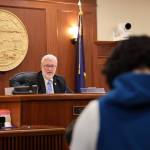
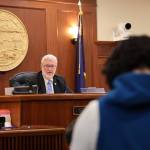
Alaska high school students may soon be required to complete a civics education course or receive a passing score on a civics assessment exam to graduate beginning in the fall semester of 2024.
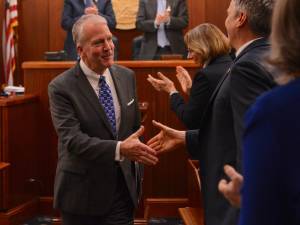
A bill to OK the requirements was unanimously passed by the Alaska Senate Friday morning. It will now move to the House for further consideration.
The move comes as recent national data shows the first-ever decline in U.S. eighth grade students’ history and civics test scores, according to the National Assessment of Educational Progress, which released the data Wednesday.
According to the results, nearly one-third of eighth grade students cannot describe the structure or function of government, and the data suggests students are increasingly struggling to understand how government works and the importance of civic participation.
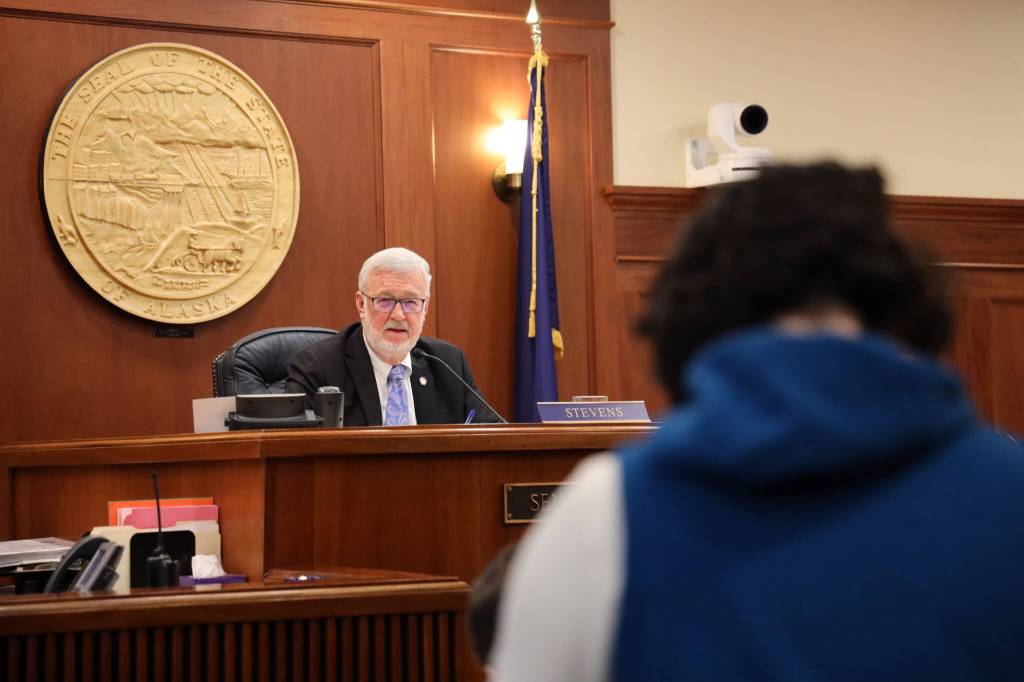
The Senate bill, sponsored by Senate President Gary Stevens, a Kodiak Republican, seeks for the state’s Board of Education to create and develop a new civics education curriculum and exam that would go into effect in Alaska schools beginning in July 2024.
The exam would be based on the civics portion of the United States naturalization test, and also include systems used by Alaska Native governments. Students would be allowed to retake the exam as many times as needed to achieve a passing score of 70% or better.
The specifics of the curriculum have not yet been determined.
According to Juneau School District Chief of Staff Kristin Bartlett, JSD students are already required to pass courses including Alaska History, World History, U.S. History and U.S. Government & Civics to graduate. She said she is unsure of what the new civic’s curriculum would include, and if any of its topics differ from what is currently taught in those four required classes.
Bartlett said if the requirement is signed into law, the district will likely examine its current U.S. History and U.S. government and civics classes to assess whether those classes already being taught meet the requirements of the new curriculum. If not, she said the district will consider the options of embedding additional civics instruction or testing requirements into the current courses or creating a stand-alone civics class to deliver the required content.
In an interview with the Empire after the bill’s passing, Steven, who previously taught U.S. and Alaska History for the University of Alaska in Kodiak for 25 years, said he was “pleased” to see it supported by the Senate, though he is doubtful the bill will make its way through the House during this session.
“It’s in the process now and it’s a bill that will be alive next year and we’ll continue our work then,” he said. “I do think it will be well received by the House next session.”
Stevens said districts like Juneau that already teach curriculum focused on civics may already be meeting the standards of the new curriculum, and if not, they may be able to embed it into preexisting classes rather than having to start a new course.
“Juneau’s doing a great job covering this topic, but not all districts in Alaska are this way,” he said. “This is a way to bring everyone up to speed and have it be consistent to make sure every Alaskan student has it available to them.”
According to a fiscal note, the implementation of the bill is expected to cost around $442,000 to the state’s Fiscal Year 2024 budget and would be followed by an estimated recurring $156,000 expenditure in the years following.
Sen. Löki Tobin, an Anchorage Democrat, expressed her support for the bill during the Senate floor session Friday morning, arguing that the legislation is “needed to help restore our faith and understanding of our system of representative democracy.”
“I am confident that this bill before you will provide the needed and necessary support our community, our kiddos, really need to develop and help foster citizenship, voting, engagement — all which are fundamental purposes of our public education system,” she said.
• Contact reporter Clarise Larson at clarise.larson@juneauempire.com or (651)-528-1807.