Second Juneau-Douglas crossing, lots of ferry projects in state’s new four-year transportation plan
Published 9:30 pm Wednesday, July 19, 2023


Nearly $275 million for a second Juneau-Douglas bridge, $19.3 million for downtown and Thane street reconstruction, and a long list of ferry-related projects are included in a proposed transportation plan for Alaska the state publishes every four years.
Not included in the draft of the plan, which is open for public comment for 45 days, are previously recommended improvements such as a traffic light at the Fred Meyer intersection, where three people were killed in a two-vehicle collision June 10. But those could be added before the final version of the plan is formally approved, or during subsequent amendment periods.
The draft of the Statewide Transportation Improvement Plan (STIP) released Thursday identifies desired projects for the years 2024-27, although it also identifies funding sources for such projects — often for instances where annual operating costs or other spending is expected — through 2030.
“Many projects with construction estimates over $100 million will be phased over several years,” an overview of the draft plan by the Alaska Department of Transportation and Public Facilities states. “Phasing allows for a healthy contractor community throughout the state — more contractors can compete both in terms of capabilities and frequency of the jobs.”
So while the second Juneau-Douglas crossing only has about $23.5 million allocated between 2024-27 in the plan — roughly what’s already expected to be available after a $16.5 million federal grant for design work was announced in June — the statewide draft also contains a $250 million allocation for 2030. The latter figure is essentially a placeholder for possible funds that presumably would go toward construction of the project that’s been debated for the past four decades, since officials have said both the funding source and actual cost of a second crossing remain unknown.
A 45-day public comment period started with the draft’s release, with people able to post them online at the document’s website, or by phone text or voice message.
The list of local projects doesn’t appear to contain any surprising additions or omissions, said state Sen. Jesse Kiehl, a Juneau Democrat, in an interview Friday morning.
“Most of these things are great big projects and they take a long time, so they’ve been coming for a while,” he said.
Recommended improvements at the Fred Meyer intersection, considered one of the most dangerous in Juneau, are among the long-term projects, Kiehl said. But he said it’s worth trying to include it when the statewide plan is adopted or one of the amendment periods immediately afterward.
“Because it’s going to take a long time we need to start soon,” he said.
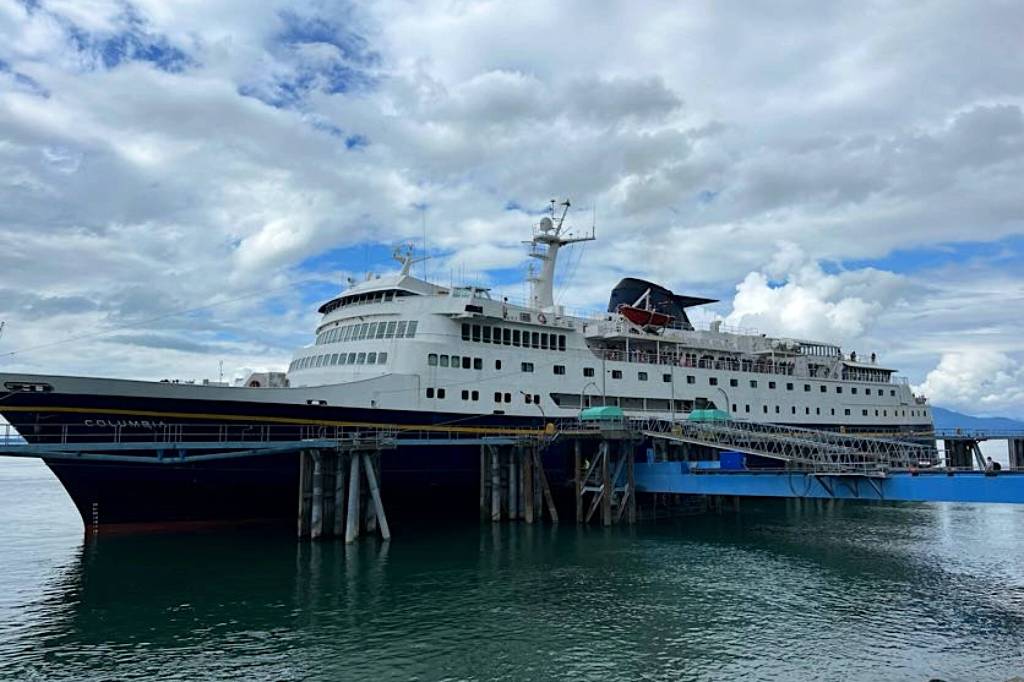
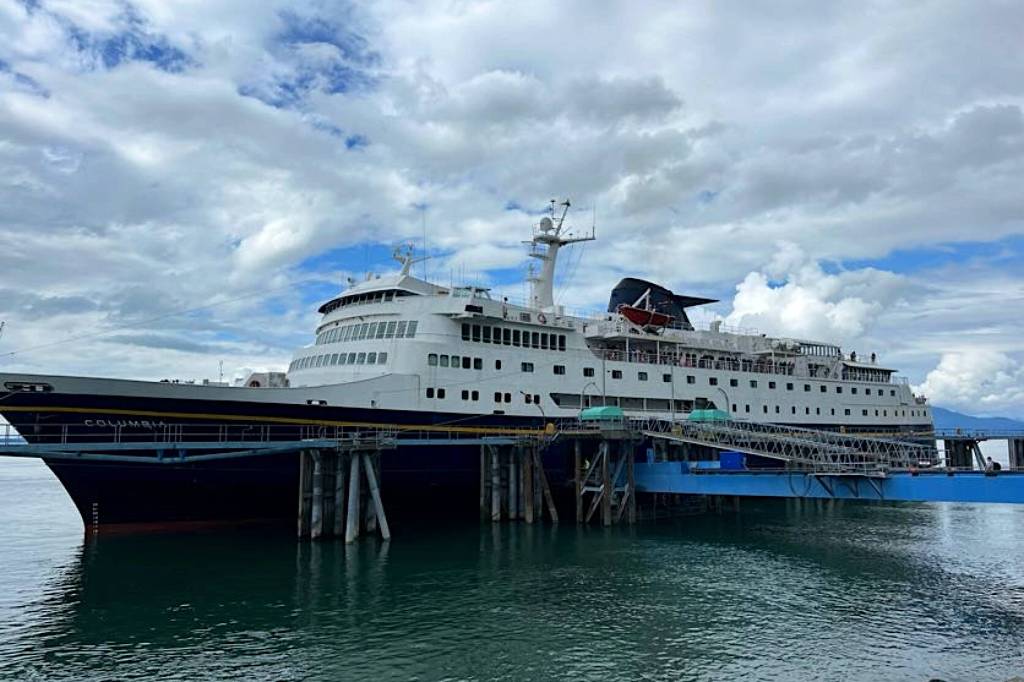
Among the major ferry projects in the draft plan are $350 million for a vessel to replace the Tustumena, targeted for 2025; $387.5 million for a mainliner replacement vessel, with a multi-year target date; $176 million for various unspecified ferry overhauls over multiple years; $49.6 million for a low/no-emission ferry with a target date of 2025; and $20 million for a much-debated Cascade Point Ferry Terminal at the northern end of Juneau’s road system.
One allocation among the ferry proposals questioned by Kiehl is $25 million for crew quarters on the Tazlina, a newer vessel designed to operate as a day boat and thus without the need to house employees overnight. He said that role will be all the more appropriate for the Tazlina with the addition of the planned low/no-emission vessel.
In addition to saving the money to install the crew quarters, “you’ll have lower crew costs too,” Kiehl said. “Really, that’s the solution that makes sense.”
Also in the statewide draft are improvements to Franklin Street and Thane Road, which Kiehl said are intended to handle heavy vehicles such as commercial trucks and buses better, and upgrade infrastructure such as sidewalks and drainage.
A Southeast Alaska road proposal Kiehl said he hopes to see added to the draft plan is the final aspects of a large-scale highway project in Haines.
“The state has not been neglecting Haines but there’s still something else that needs to be done,” he said.
DOT currently has oversight of 237 airports, nine ferries (six of which are currently in operation), more than 5,600 miles of highway and 839 public facilities, according to the statewide plan draft. Proposed STIP projects include highways, roads, sidewalks, trails, bridges, ferries and public transportation, but not aviation.
Making the most of a large infusion of federal funds — notably the Infrastructure Investment and Jobs Act (IIJA), which requires the state provide some matching funds for many projects — is a declared goal of the statewide plan.
“The Alaska DOT&PF has diligently ensured that the STIP aligns with the IIJA, taking advantage of the opportunities presented by this legislation to enhance the transportation system in the state,” the overview of the plan states.
But questions have already been raised by officials about whether some specific proposals can meet that intention.
The statewide plan states it intends to use $240 million of federal “toll” funds — essentially passenger fees and other income — to match some federal infrastructure funds to improve the Alaska Marine Highway System. Gov. Mike Dunleavy proposed using the first-ever use of such credits for the ferry system in his updated annual budget for the current fiscal year, which the Legislature approved — but they also included state “backstop” funds in case federal officials declare the governor’s plan to use toll credits — typically used for tolls on highways and other fundamental infrastructure, rather than fees for tourist-oriented transport — is not valid.
However, Dunleavy vetoed half of the $20 million in backstop funds meant for instances where funds such as toll credits may not materialize.
• Contact Mark Sabbatini at mark.sabbatini@juneauempire.com or (907) 957-2306.