Salmon season winds down with ‘middle of the road’ statewide harvest
Published 10:30 pm Tuesday, October 4, 2022
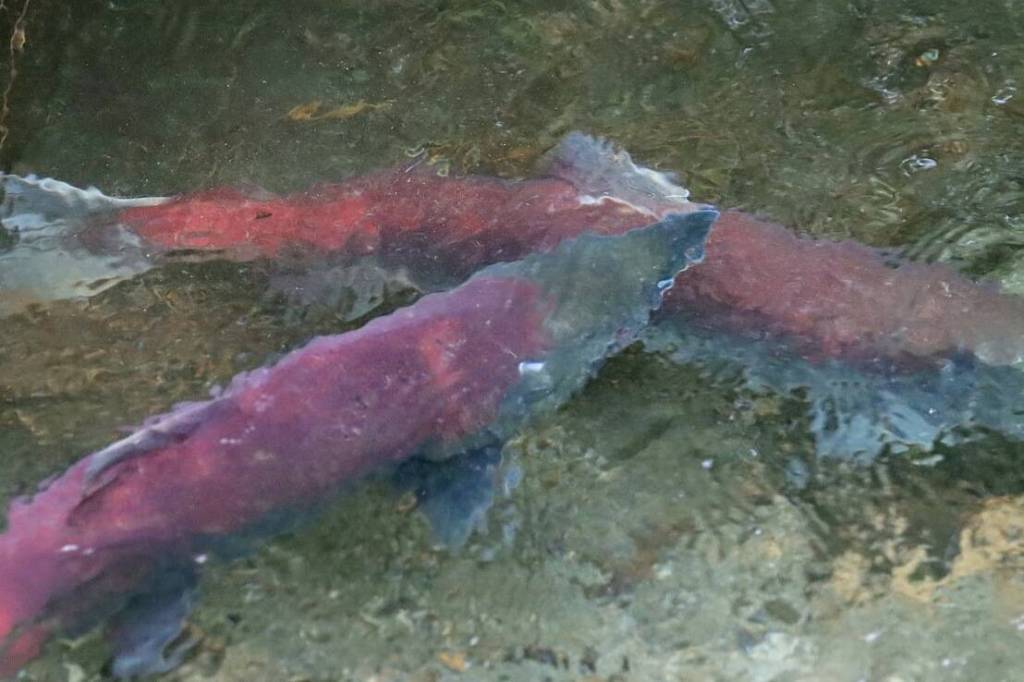
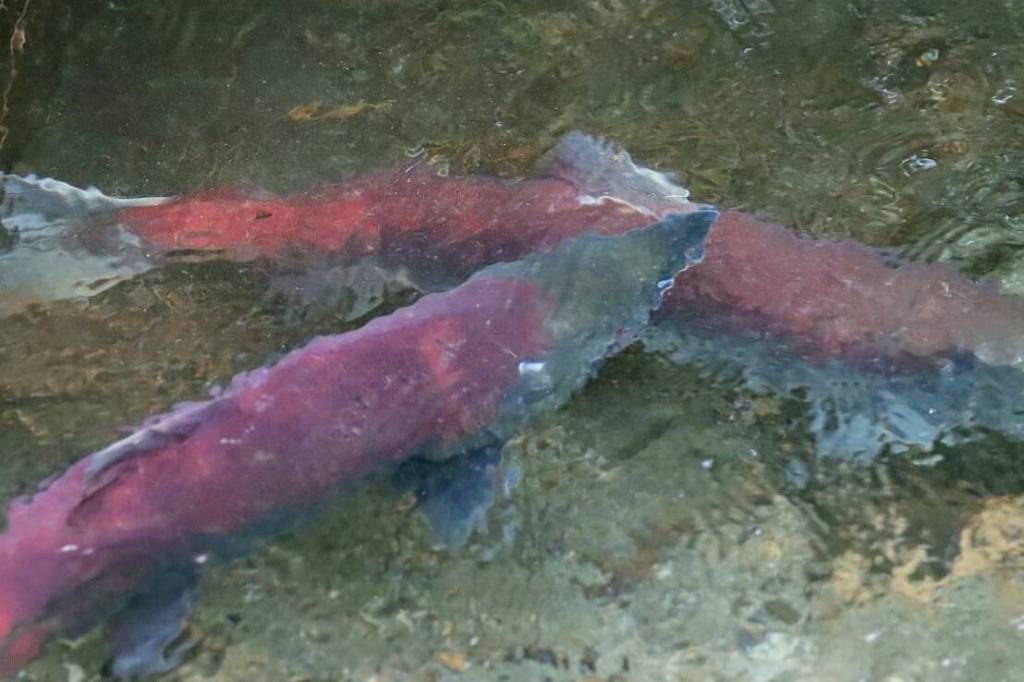
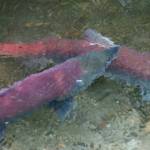
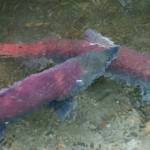
Despite record-breaking sockeye harvests in Bristol Bay, data and experts point to an overall mediocre salmon harvest in Alaska for the 2022 season.
According to data provided by the Alaska Seafood Marketing Institute in its latest update, the statewide preliminary harvest is estimated to be more than 153 million salmon — across all species — caught during the 14 weeks spanning mid-June to mid-September that the data was analyzed.
That means the harvest is expected to be around 35% less than last year’s harvest, which capped at a total of 233.8 million salmon according to the Alaska Department of Fish and Game. However, this year’s harvest fulfilled 96% of what the ADFG had originally forecast for this season.
Forrest R. Bowers, ADFG Division of Commercial Fisheries’ division operations manager, said he would consider this year to be “a little better than average” and said fishing is still going on and ADFG won’t be releasing its preliminary harvest summary until early November.
Sam Friedman, a research analyst at the McKinley Research Group, which organizes the harvest data from the ADFG, said despite the time gap, he doesn’t expect the overall harvest to change all that much from the research group’s last update in early September.
Friedman said although the overall harvest is similar to what was predicted, the data points to a large percentage of the harvest coming from Bristol Bay, which saw an early season record-breaking boom of sockeye harvests especially from late June to mid-July. The harvest, as of early September, sat at just under 60 million sockeyes caught, which is 43% higher than last year in the area.
Yet, even with the Bristol Bay boom, the statewide sockeye harvest is still projected to be down 4% compared to 2021 because of poor harvest numbers in Kodiak (down 29%) and Cook Inlet (down 23%). The research groups’ data estimates that four out of five sockeyes in Alaska this year came from Bristol Bay alone.
“This is really a year where the harvest in Bristol Bay was record-breaking and really drove the whole state salmon harvest,” Friedman said.
Bowers agreed and said Bristol Bay’s harvest was “incredible” and was a big factor that drove up the overall harvest numbers.
He said the record-breaking harvest is due largely to the also record-breaking run in Bristol Bay this year which was around 79 million fish — 81% more than the 20-year average — beating the previous run record set in 1995.
He said the boom in Bristol Bay definitely will have a positive effect on Alaska’s economy both in the region of Bristol Bay and throughout Alaska.
“The economic benefits from that will be felt throughout the state,” he said.
As for other salmon species, the overall pink and keta harvest rose from 2021 (2020 for pinks) with preliminary data showing harvests up 10% for pinks and 5% for keta salmon. However, when compared to many previous years, Friedman said both harvests would be considered “a lower than average harvest” with the pink harvest coming in 4% lower than predicted and keta 17% lower than predicted.
Bowers said in recent years there has been a trend that pink salmon tend to have much larger runs in odd years, which seems to have continued given the mediocre yield of pink salmon for this even-year season.
“We weren’t expecting a large return of pink salmon this year so we expected it to be a smaller kind of medium-size run,” he said.
King salmon also came in lower than predicted, hitting 81% of what the ADFG originally forecast for the species.
Bower said some of the more concerning outcomes of this season came from the Arctic-Yukon-Kuskokwim area which had closures of both subsistence and commercial fishing on the Yukon and Kuskokwim River due to low returns.
“That’s an area we’re concerned about — we’re devoting a lot of research to exploring the causes of those declines,” he said.
More harvest results will be shared by the ADFG in early November which will give a clearer idea of what 2023 will look like.
• Contact reporter Clarise Larson at clarise.larson@juneauempire.com or at (651)-528-1807. Follow her on Twitter @clariselarson