
By Yéilk’ Vivian Mork
Wake up, Taakw eetí is almost here! Black bear is yawning, marmot has left her burrow, and spotted frog is groggy. Humans are cleaning out closets, rearranging furniture and shaking out rugs. We clean our fridges and make junk piles in our yards to be hauled away. We are excited as little brown bats as springtime nears. We are preparing our minds, spirits, and bodies for our busy harvesting seasons. Here are ten plants to look forward to harvesting in Southeast Alaska. If you’re not a harvester, these plants are good indicators of Taakw eetí so keep an eye out for them.
— Dúk, cottonwood buds: I harvest dúk from trees after the first big spring storm. The wind is spring’s trimmer. I harvest from branches that have fallen on the ground and not from living trees, but other traditional harvesters have different methods. I use the buds for making medicines. Cottonwood buds are a good indicator that other plants are emerging, so when you see cottonwood trees budding go look for other plants.
— Yaana.eit, wild celery, cow parsnip: It’s important to go with a knowledgeable harvester when you’re starting out. Yaana.eit contains chemicals which can cause burns, rashes and swelling. If you get the plant juice on your skin, the sun can activate it and cause blisters, so I recommend picking wild celery during cloudy days. The plant tastes best when young growth develops. Peel the hairs off using a knife to eat the inner stalk.
Taakw eetí is the Lingít word for spring and it’s my favorite season. Prepare to harvest spring plants beforehand, by knowing your equipment. Bring various types of buckets and bowls with you. I recycle both plastic and cloth grocery store bags and use large silver bowls and woven wood baskets. Keep items packed in your car because if you spot one plant growing that means numerous other plants are ready to harvest too. I don’t usually harvest one thing at a time.
— K’wálx, fiddleheads: Fiddlehead ferns are one of my favorite springtime greens. Basically, if there’s a vegetable in one of your recipes, fiddleheads can be substituted. Harvest on a dry spring day, if you can, and use gloves which helps the brown casing come off. Only harvest what you need and clean them where you harvest. Locate a u-shaped gouge on the stalk, and pinch the stalk off at the bottom, including the curly fiddlehead.
[Planet Alaska: the fiddlehead forest]
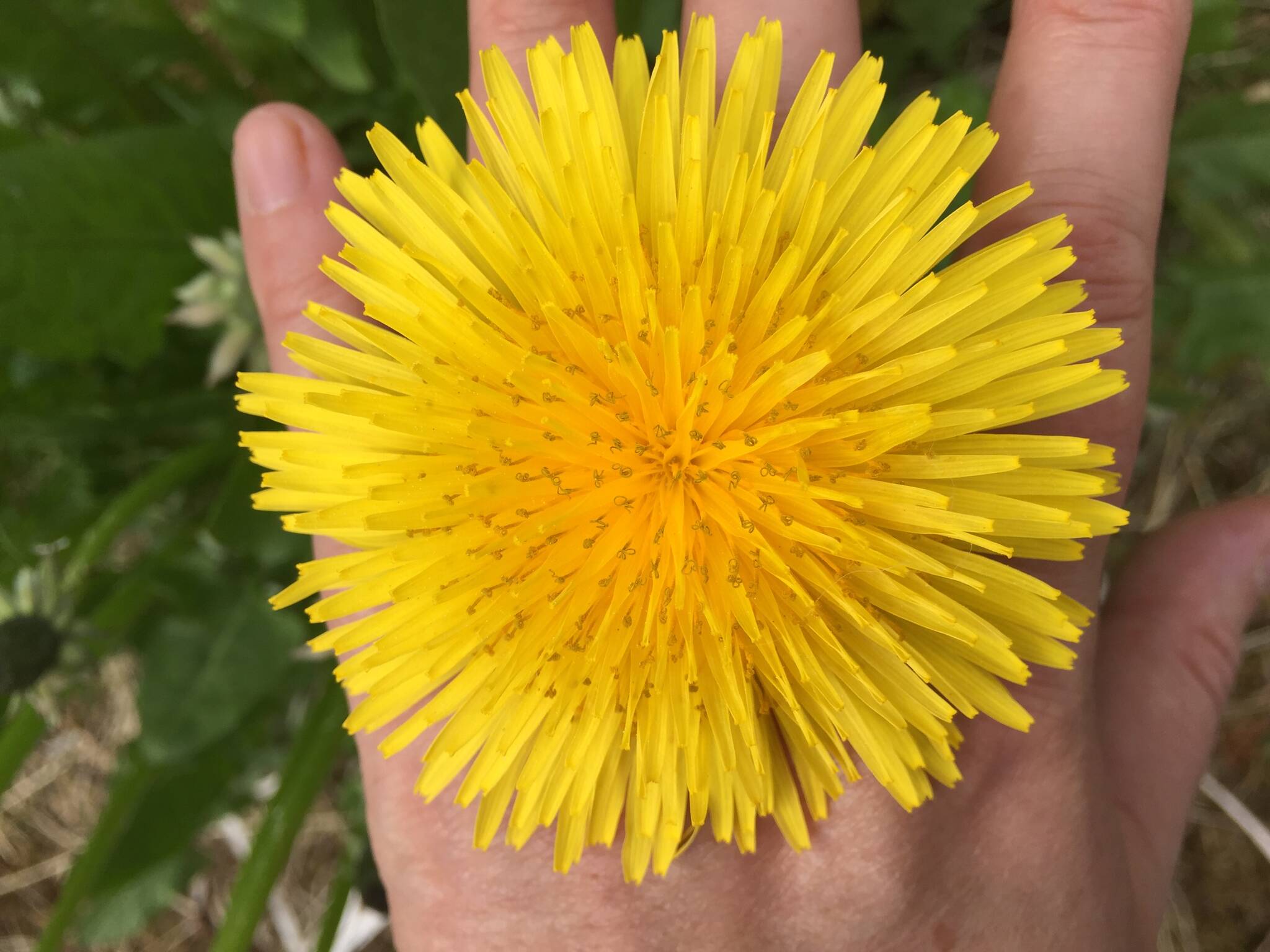
— Dandelion root: During spring’s root season, people dig up and dry dandelion root, then ground it for coffee, claiming it’s a good substitute. I’ll keep waking up with real coffee beans, though. Many parts of the dandelion plant and new growth leaves are tasty.
Suitable clothing for harvesting in Southeast is important: a good raincoat, rubber boots or waterproof hiking boots. Also, you’ll want two sets of gloves, a pair of cloth gloves and a pair made from waterproof material. You’ll need both because which pair you use will depend on what you’re harvesting. For nettles and yaana.eit you’ll want material that protects your hands. As for harvesting tools, get a good root digger, something from your garden toolbox like a mini spade or small shovel. Also, small but tough scissors are helpful.
— Plantain: Look for plantain in disturbed soil around trailheads. Don’t harvest in trail parking lots because the plant can be contaminated. Plants at trailheads are a good indicator there’s more up the trail where it’s safer to harvest. Use plantain as an early spring edible green, and later growth is used for making salves for treating cuts and scrapes, aches and pains, and skin issues like psoriasis and eczema.
— Tleikw kahínti, watermelon berry shoots: The plant is also called twisted stalk and wild cucumber. This spring green tastes like crisp cucumber. Harvest the new growth when they first poke out of the ground until they’re several inches high. The lookalike hellebore is poisonous, though, so go with an experienced harvester so you can learn to tell the difference.
[Planet Alaska: Harvesting watermelon berry shoots. What to know before you go]
If you see a lot of green foliage in the forest or in your yard, it usually means many of our Southeast Alaska plants are past edibility. But don’t fret about not being able to harvest everything. It’s impossible to harvest every edible plant in the forest and on the beach. I spent one winter researching all the recipes I could make with Japanese knotweed, an invasive plant, only to miss the harvesting window.
— T’óok’, nettles: Nettles contain formic acid which can cause swelling and a rash so be careful when harvesting. They are wonderful nutrient dense spring greens. Harvesters dry them and use them later in soups or drink as a tea. You can also make pesto and use them in recipes.
— X’áal’, skunk cabbage: When you see x’áal’, a bright yellow plant poking its head out of the muck, it’s spring. Go with an experienced harvester. During root season, before spring plants emerge, dig up the skunk cabbage root to make medicines. Some people dry the roots to make tinctures. Don’t eat this plant, though, it’ll make you sick.
[Planet Alaska: Learn more about this harbinger of spring]
Even if you’re not a harvester, these plants are good indicators of the spring season. It’s exciting to watch for signs of spring. Even my grandfather, who’s in his 80s, still gets excited for spring. When you’re out walking, look down on the side of the road for small green jagged leaves of the yaanaeit and note the buds on the blueberry plants.
[Planet Alaska: Spring is sneaking into Alaska]
— Tayeidí, popweed and beach lovage: In Lingít popweed is called Tayeidí (Lingít), and t’ál (X̱aat Kíl,Haida). Popweed and beach lovage are two of the earliest spring plants. When harvesting, only take what you need. Beach lovage tastes best when it’s first coming up and you can eat it fresh. Use it like cilantro. The popweed (bladderwrack) has several edible growth stages. And you can dry the popweed in the oven with different seasonings.
[Planet Alaska: Harvesting the soon bloom]
— Japanese knotweed: This is an invasive species so harvest as much as you want or need. It’s harmful to our local plants. Knotweed has a lemony flavor and is similar to rhubarb. Harvest in the early spring and use it in foods like you would rhubarb.
There are many more plants to look for than I’ve listed here. Today, in Wrangell, I saw new growth on the hemlock tips. Different areas of Southeast bloom and ripen at different times. Know the land and have a relationship with it and harvest respectfully. Ldakát át a yáa ayaduwanéi—All things are respected.
So, when you’re walking the trails and roadsides as happy as a rough-skinned newt, looking for spring, know you’re waking up with the forest, the beaches, and trails. A káx yan aydél wé tl’átgi—We are stewards of the air, land, and sea. You and I are a part of this process. We’ve survived another winter to wake up and enjoy the spring harvesting season. Taakw eetí is a gift to all of us.
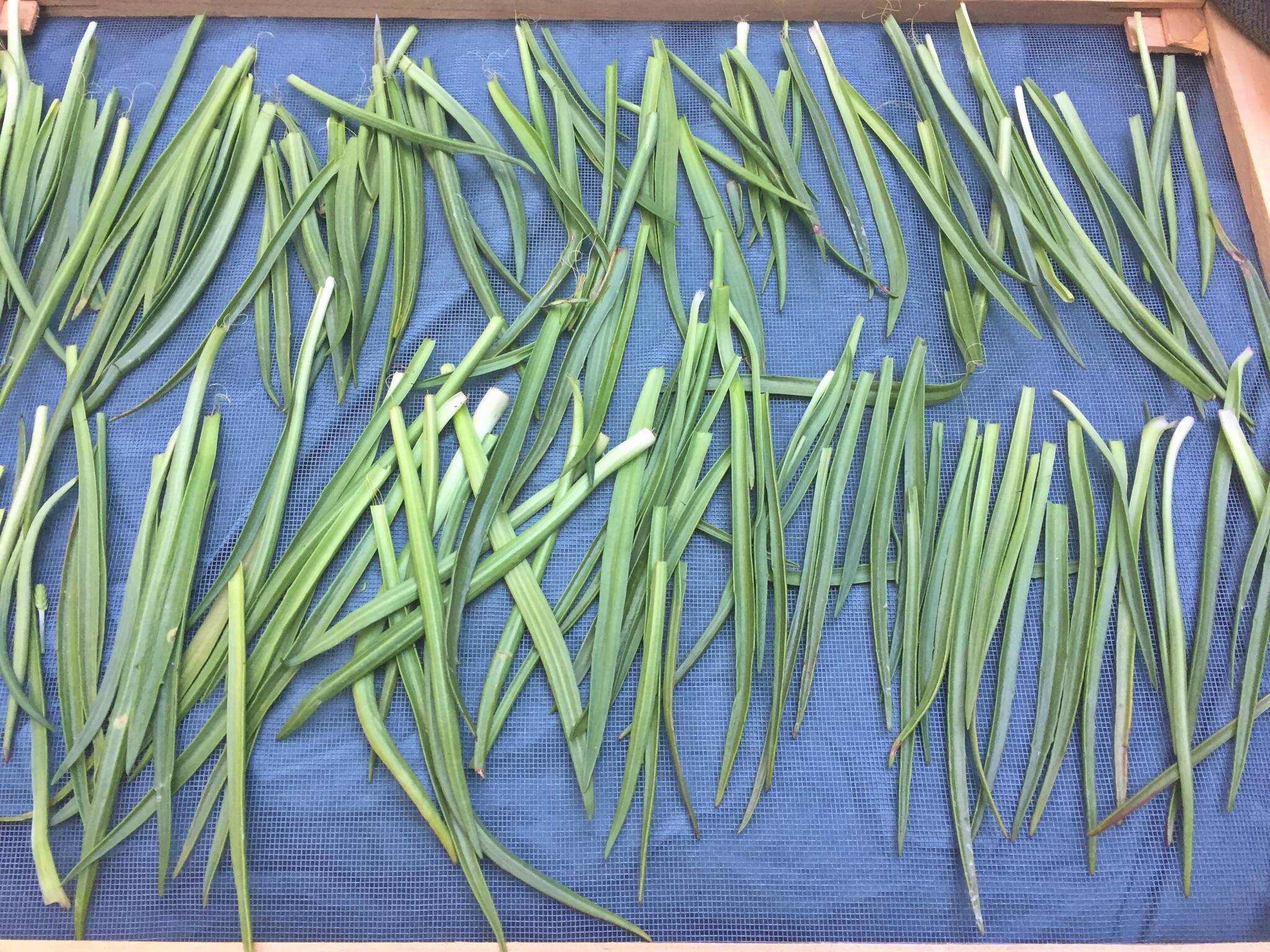
This photo shows drying goose tongue.
• Yéilk’ Vivian Mork writes the Planet Alaska column with her mother, Vivian Faith Prescott. Planet Alaska appears twice monthly in the Capital City Weekly.
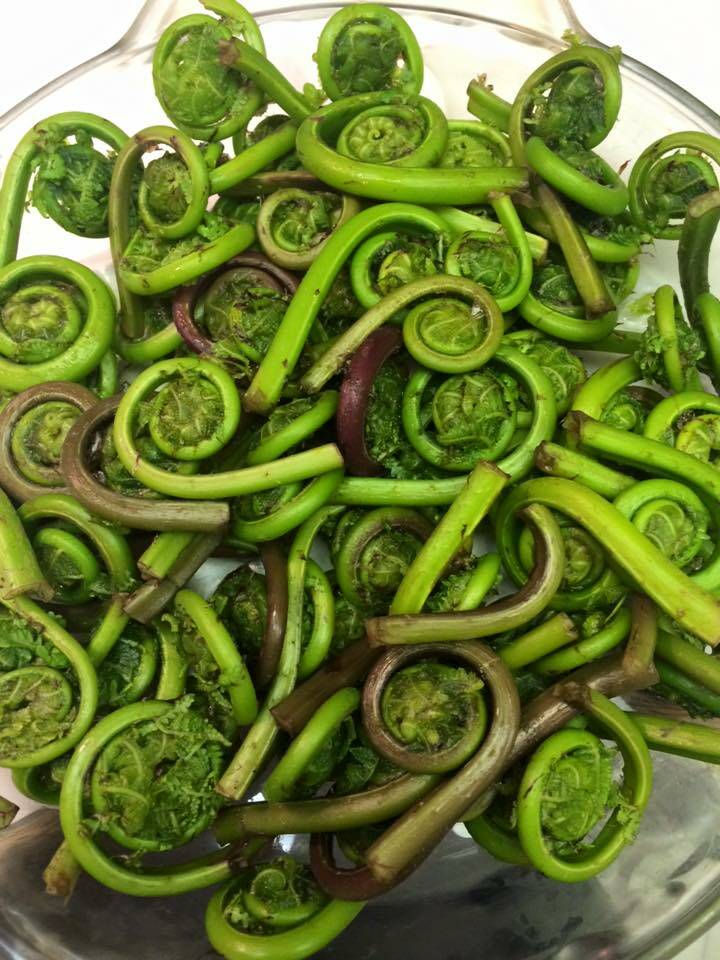
This photo shows fiddleheads. “Fiddlehead ferns are one of my favorite springtime greens,” writes By Yéilk’ Vivian Mork. “Basically, if there’s a vegetable in one of your recipes, fiddleheads can be substituted.” (Yéilk’ Vivian Mork / For the Capital City Weekly)
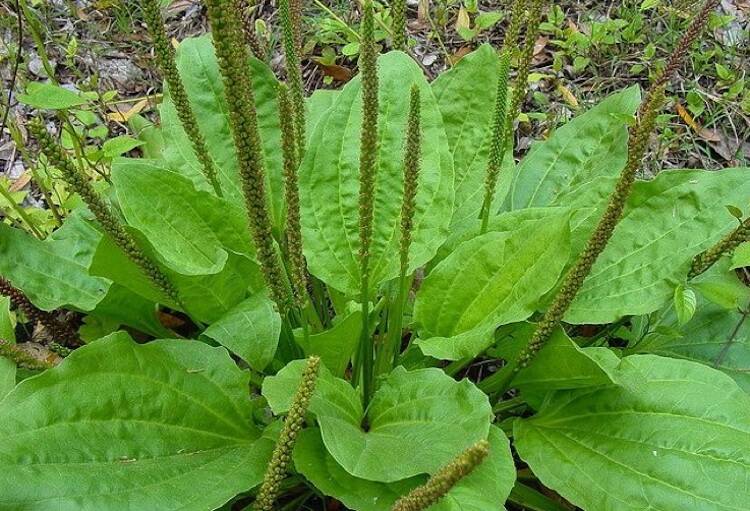
This photo shows plantain. Plantain growing near trailheads may be contaminated. (Yéilk’ Vivian Mork / For the Capital City Weekly)
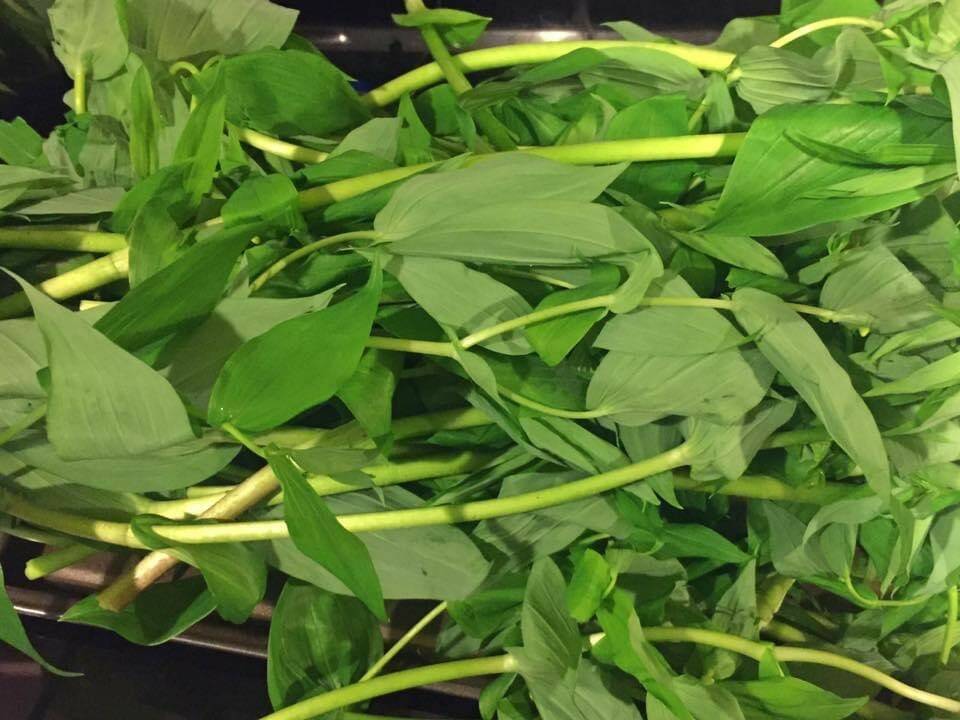
This photo shows watermelon berry shoots. The plant is also called twisted stalk and wild cucumber (Yéilk’ Vivian Mork / For the Capital City Weekly)
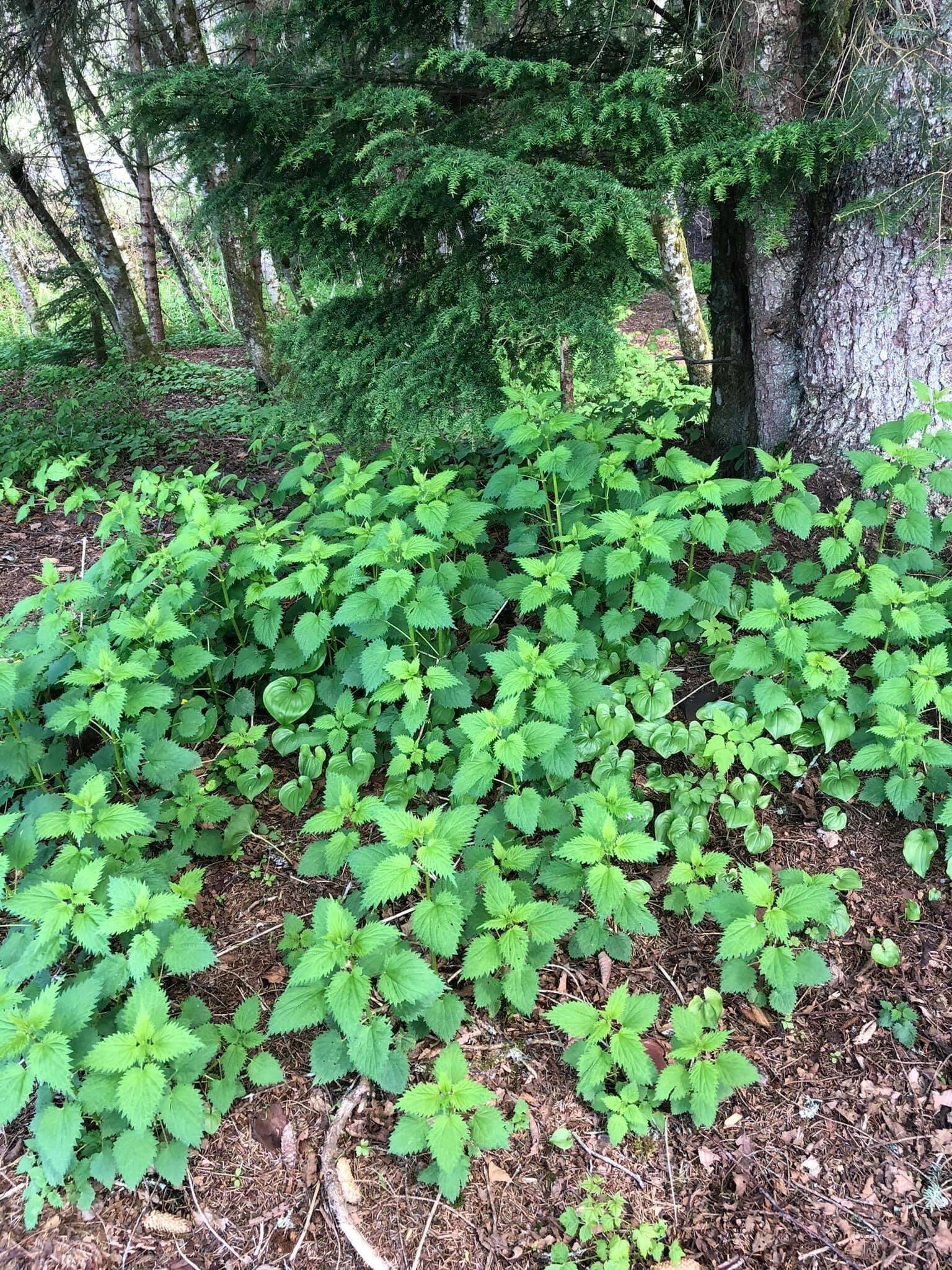
Yéilk’ Vivian Mork / For the Capital City Weekly This photo shows nettles. Nettles contain formic acid which can cause swelling and a rash. Care is advised when harvesting.
