
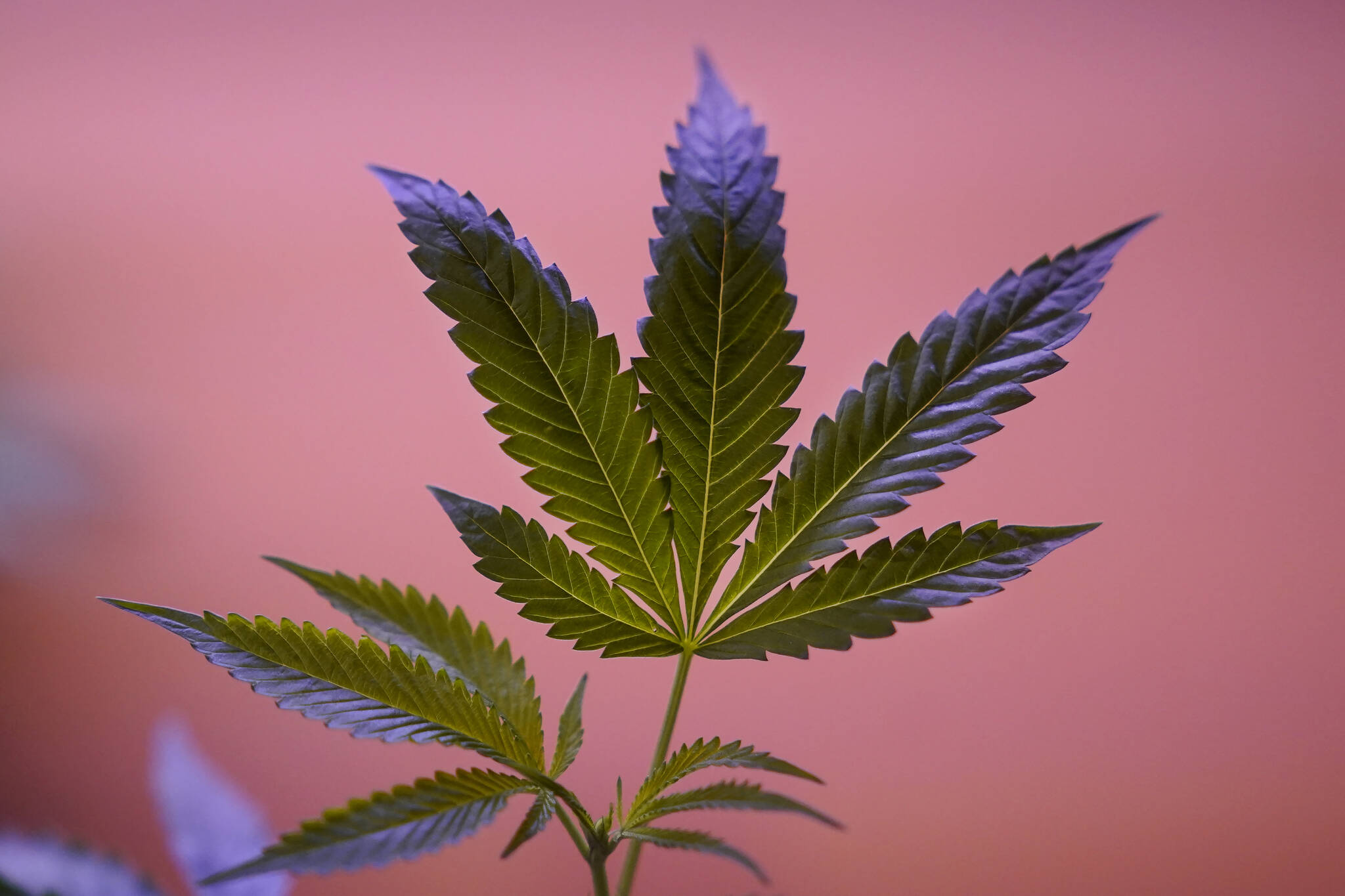
SEATTLE — Thursday marks marijuana culture’s high holiday, 4/20, when cannabis fans gather in clouds of smoke at music festivals, celebrate with all-you-can-deals on chicken wings and other munchies, and take advantage of pot-shop discounts in legal weed states.
This year’s edition provides an occasion for activists to reflect on how far their movement has come, with recreational pot now allowed in 21 states and the nation’s capital, as well as a national political climate that hasn’t moved as quickly on legalization as many expected.
Here’s a look at the holiday’s history.
Why 4/20?
The origins of the date, and the term “420” generally, were long murky. Some claimed it referred to a police code for marijuana possession or that it arose from Bob Dylan’s “Rainy Day Women No. 12 & 35,” with its refrain of “Everybody must get stoned” — 420 being the product of 12 times 35.
But a consensus has emerged that it started with a group of bell-bottomed buddies from San Rafael High School in California, who called themselves “the Waldos.” A friend’s brother was afraid of getting busted for a patch of cannabis he was growing in the woods at Point Reyes, so he drew a map and gave the teens permission to harvest the crop, the story goes.
During fall 1971, at 4:20 p.m., just after classes and football practice, the group would meet up at the school’s statue of chemist Louis Pasteur, smoke a joint and head out to search for the weed patch. They never did find it, but their private lexicon — “420 Louie” and later just “420” — would take on a life of its own.
The Waldos saved postmarked letters and other artifacts from the 1970s referencing “420,” which they later kept in a bank vault, and when the Oxford English Dictionary added the term in 2017, it cited some of those documents as the entry’s earliest recorded uses.
How did 4/20 spread?
A brother of one of the Waldos was a close friend of Grateful Dead bassist Phil Lesh, as Lesh once confirmed in an interview with the Huffington Post. The Waldos began hanging out in the band’s circle, and the slang spread.
Fast-forward to the early 1990s: Steve Bloom, a reporter for the cannabis magazine High Times, was at a Dead show when he was handed a flier urging people to “meet at 4:20 on 4/20 for 420-ing in Marin County at the Bolinas Ridge sunset spot on Mt. Tamalpais.” High Times published it.
“It’s a phenomenon,” one of the Waldos, Steve Capper, once reflected. “Most things die within a couple years, but this just goes on and on. It’s not like someday somebody’s going to say, ‘OK, Cannabis New Year’s is on June 23rd now.’”
Capper went on to become a chief executive at a payroll financing company in San Francisco.
Bloom, who became editor in chief of Freedom Leaf Magazine, noted in a 2017 interview that while the Waldos came up with the term, the people who made the flier — and effectively turned 4/20 into a holiday — remain unknown.
How is it celebrated?
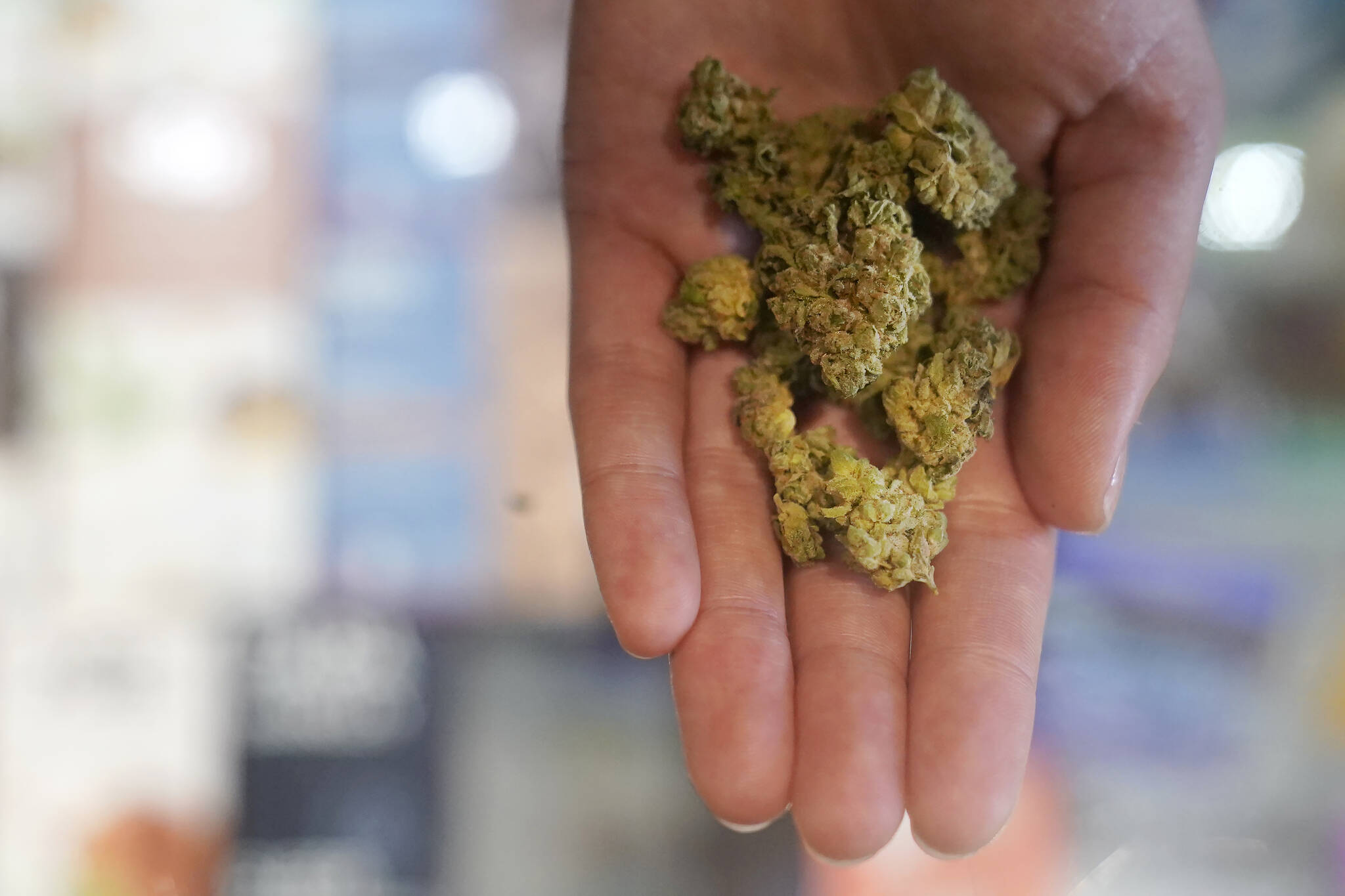
With weed, naturally. Some of the celebrations are bigger than others; Hippie Hill in San Francisco’s Golden Gate Park typically draws thousands. In Seattle, one movie theater is offering a “dank double feature,” with Cheech and Chong’s “Up In Smoke” as well as the 1930s “Reefer Madness”-era cult classic “Assassin of Youth.” In Boston, a pottery party is offering participants a chance to make their own pipe.
Pot shops are offering discounts, and several music festivals are planned through the weekend, including one at the Smokey River Entertainment District in Missouri, which launched recreational sales in February.
Some breweries make 4/20 themed beers — including SweetWater Brewing in Atlanta, whose founders attended the University of Colorado at Boulder, which hosted massive 4/20 celebrations before officials began closing the campus to outsiders about a decade ago.
Lagunitas Brewing in Petaluma, California, releases its “Waldos’ Special Ale” every year on 4/20 in honor of the term’s coiners.
The politics
There has been a proliferation of legal marijuana measures since Washington and Colorado in 2012 became the first states to legalize the recreational use of cannabis by adults. Some 21 states have now approved it. Sales just began in Missouri, are expected to begin in July in Maryland and totaled $300 million in the first year of New Mexico’s program.
Some 38 states — most recently Kentucky, last month — have OK’d the drug’s medicinal use.
But things have progressed much more slowly at the federal level. A fractured Congress hasn’t been able to agree on even relatively modest reforms, such as allowing state-licensed cannabis entities to claim businesses expenses on their taxes or easing banking restrictions that force many pot businesses to operate in cash, leaving them vulnerable to robberies.
Last October, President Joe Biden announced full pardons for prior federal offenses of simple marijuana possession and urged governors to do the same in their states. The Justice Department is conducting a review of federal pot policy.
Attorney General Merrick Garland told senators last month that the new policy would hew close to the “Cole Memorandum” of 2013, which made clear the feds would not interfere with state efforts to regulate marijuana as long as certain law enforcement priorities were met. Former President Donald Trump’s administration rescinded that memo.
Activists this week urged Biden to remove cannabis from the Controlled Substances Act and to take steps to undo the harm the drug war caused communities of color, such as by directing agencies to stop using state marijuana convictions to deny federal benefits or to trigger deportation.
