
By Mary F. Willson
For the Juneau Empire
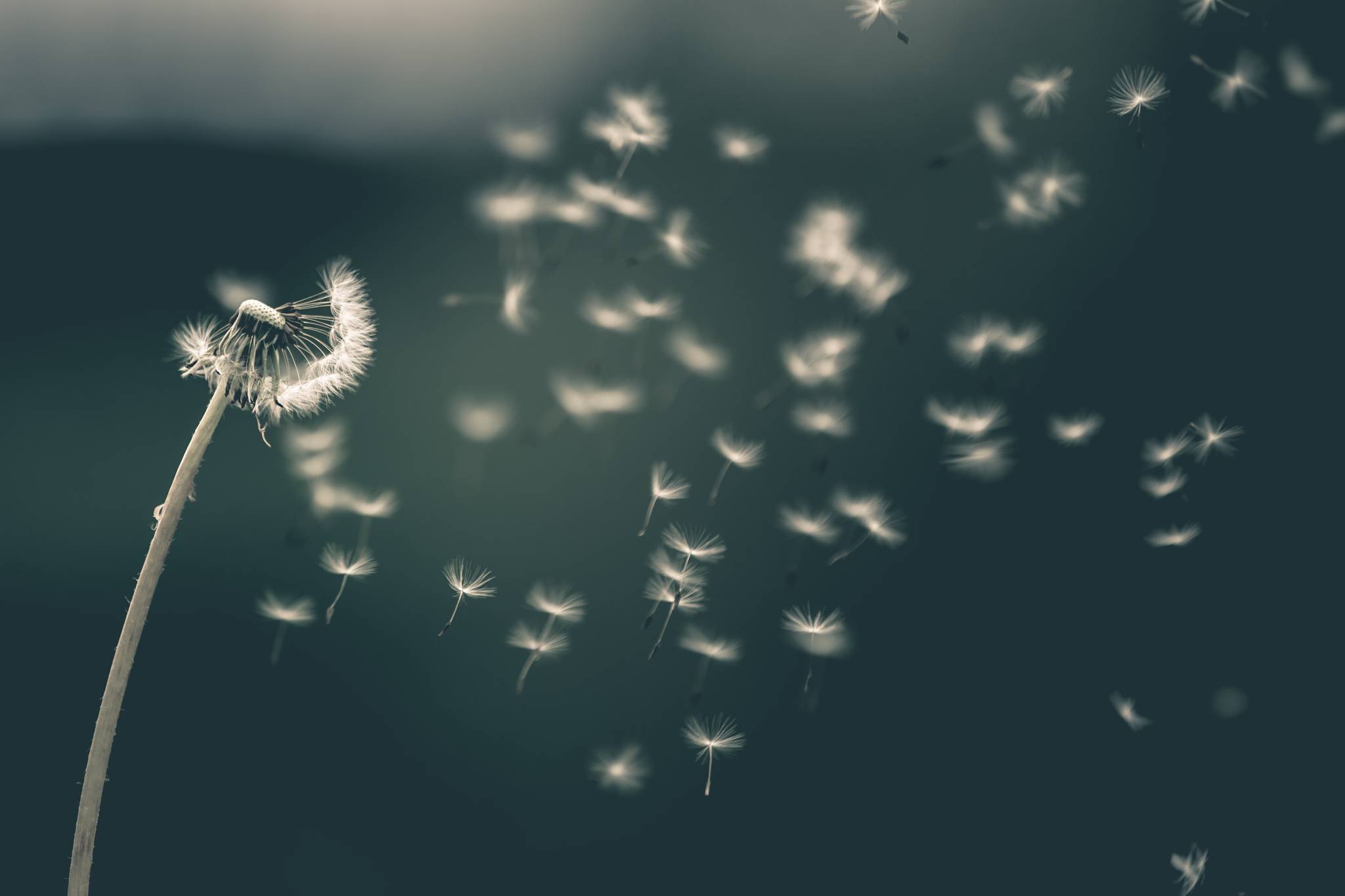
As seed plants evolved, they invented many different ways to disperse their seeds away from the maternal plant to new sites. We observe various adaptations for dispersal by wind (maple seed wings, fireweed and dandelion fluff) or on the outsides of animals (stick-tights and burrs) or by bribing an animal with a food reward. The many varieties of bribery have evolved many times in separate lineages.
The food rewards for vertebrate animals that disperse seeds are typically what we call fruits, which vary in size and composition; they also develop in a variety of ways on the maternal plants. Quite different plant tissues can be turned into rewards for seed dispersers — seed plants have been quite inventive!
[On The Trails: Meet the precussionists of the animal world]
If you venture farther into this essay, be warned that our common terminology often differs from that of botanists. The common parlance has little relationship to botanical technicalities and often reflects culinary uses rather than biology (and we are not about to change, of course). Furthermore, botanical terminology itself is confusing; it’s meant to distinguish different anatomical relationships and developmental pathways, but these definitions are not always precise and vary even among botanists. Rather than try to untangle the semantic snarls in a way intelligible to readers, I’ve curtailed the elaborate descriptions.
In the angiosperms or flowering plants, the food reward is commonly a fruit of some type, formed from the seed-containing ovary and sometimes additional tissue from the parent. Gooseberries, currants, peppers, and tomatoes are fruits that are simply mature ovaries containing multiple seeds; cherries, plums, peaches, and olives are similar, but with a single hard seed inside. All of those could be called botanical berries, broadly defined. But sometimes considerable material from the base of the flower and the upper stem gets incorporated into the fruit. Thus we get apples, pears, rowan or mountain ash fruits, and serviceberries in which the ovary is now just the core and the co-opted floral base and upper stem are the edible part. And in pomegranates and rose hips, those upper stem tissues make the covering of the fruit.
What we call ‘berries’ of raspberry and blackberry are really aggregates of numerous small fruits borne on an enlarged base of a flower. Mulberries are multiple fruits from several flowers, all lumped together, and so is an ear of corn. Strawberries are not fruit at all (botanically); the tasty part is an expanded flower base, and the things we call seeds are actually tiny fruits.
All of this got started as I peeled a mandarin orange for lunch one day. I’ve peeled many of them over the years, but I suddenly got curious about its botanical description. The citrus fruits are actually specialized berries! They are, however, unique in having the juicy little sacs inside the segments; even other members of their taxonomic family do not have this feature. Most of the commercial varieties of citrus are said to be hybrids of various sorts, but mandarins are one of the original types, coming initially from the Himalayan region, spreading first to southeast Asia and eventually, via trade routes, to Europe, North Africa, and beyond. This made me wonder just how did that initial range expansion occur—Was it all due to human transport or did fruit-eating animals play a role too? In citrus orchards today, lots of different animals feast on the fruit, including rats, possums, raccoons, squirrels, parrots. Could similar animals have served as dispersal agents in Asia?
In some cases, the food reward for animal dispersers comes, not from the ovary and associated tissues, but from the maturing ovule. Again, definitions vary, but broadly defined, these outgrowths of the ovule are called arils. The seeds of pomegranates are covered by arils, as are those of the invasive Asian bittersweet vine and passion flower.
Even the gymnosperms get into the aril story: juniper ‘berries’ and yew ‘berries’ are really made from modified cone scales that cover the seed like an aril, although the edible part arises from maternal tissue (the cone) rather than the ovule, as in angiosperms.
Many flowering plants make seeds with appendages called elaiosomes; these too have varied developmental pathways. This type of animal dispersal has evolved quite independently from those involving vertebrates. The appendages look like little lumps on the outside of the seed. They are usually full of oils and are attractive to ants and sometimes other insects that carry away the seeds and later eat the elaiosomes. Examples include at least some species of Trillium, Claytonia, Corydalis, and Dicentra.
• Mary F. Willson is a retired professor of ecology. “On The Trails” appears in the Juneau Empire every Wednesday.
