Off the edge of the map: Student veterans talk about returning to civilian life
Published 1:50 pm Monday, November 11, 2019

Veterans Day marks a day of remembrance for America’s veterans across that year, and the veterans of the War on Terror are some of the most visible members of that group, especially in colleges.
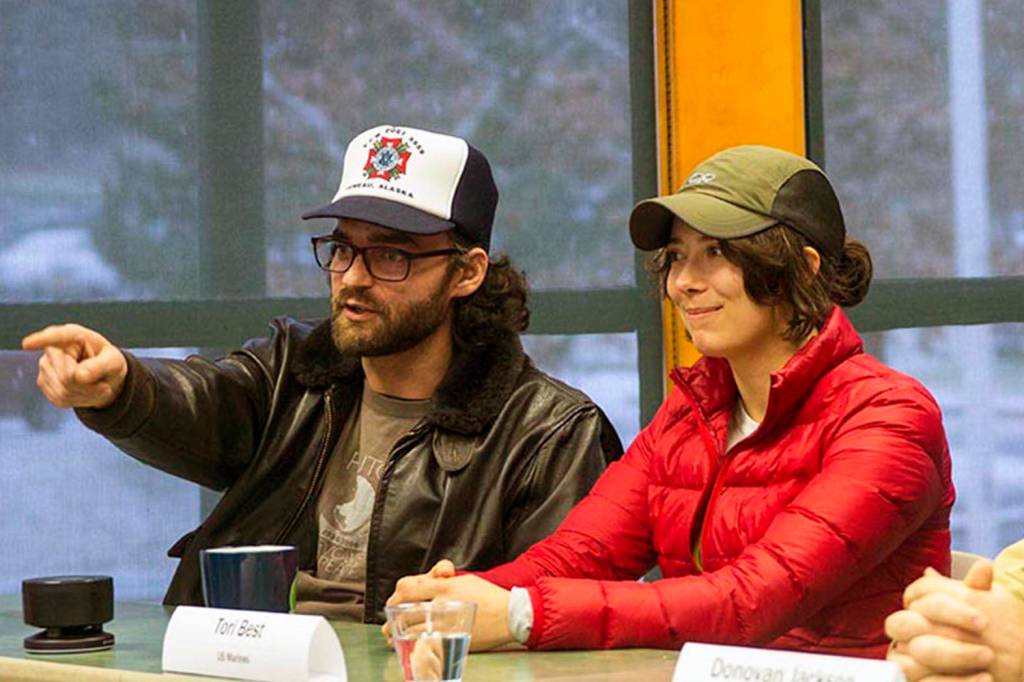
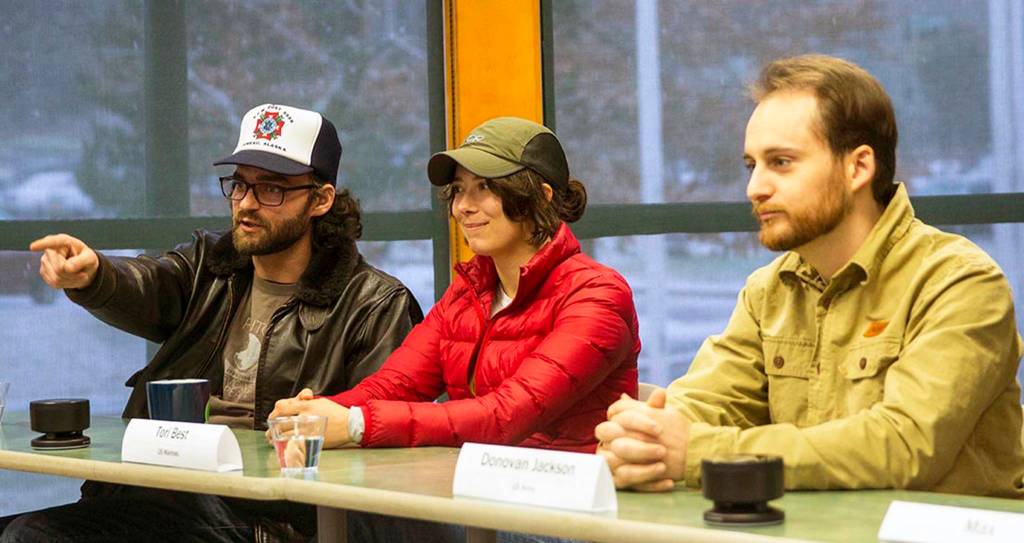
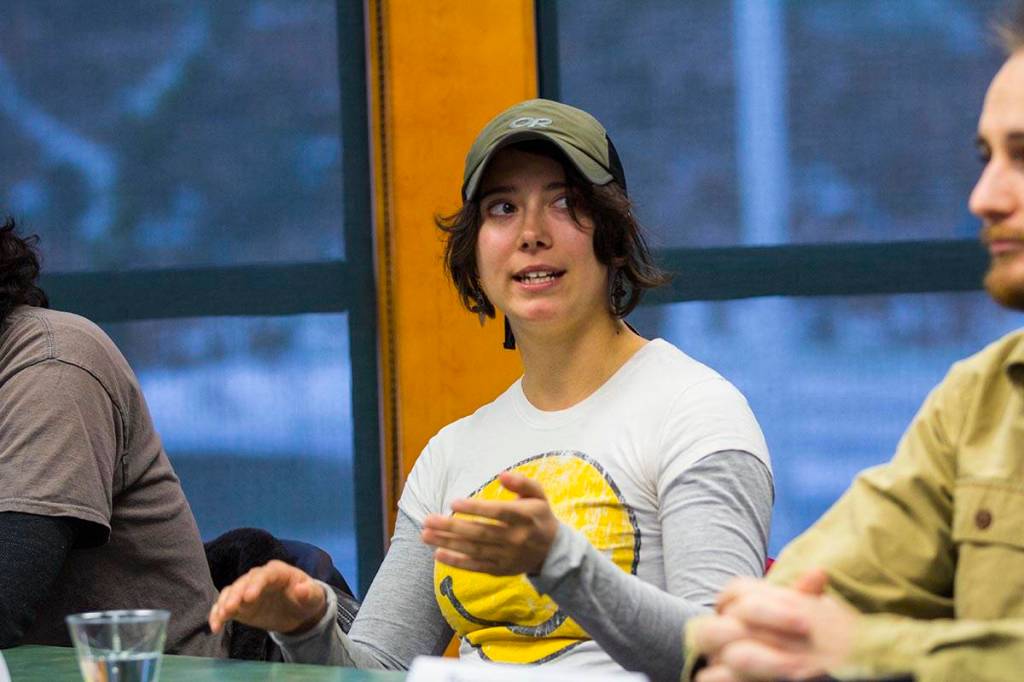
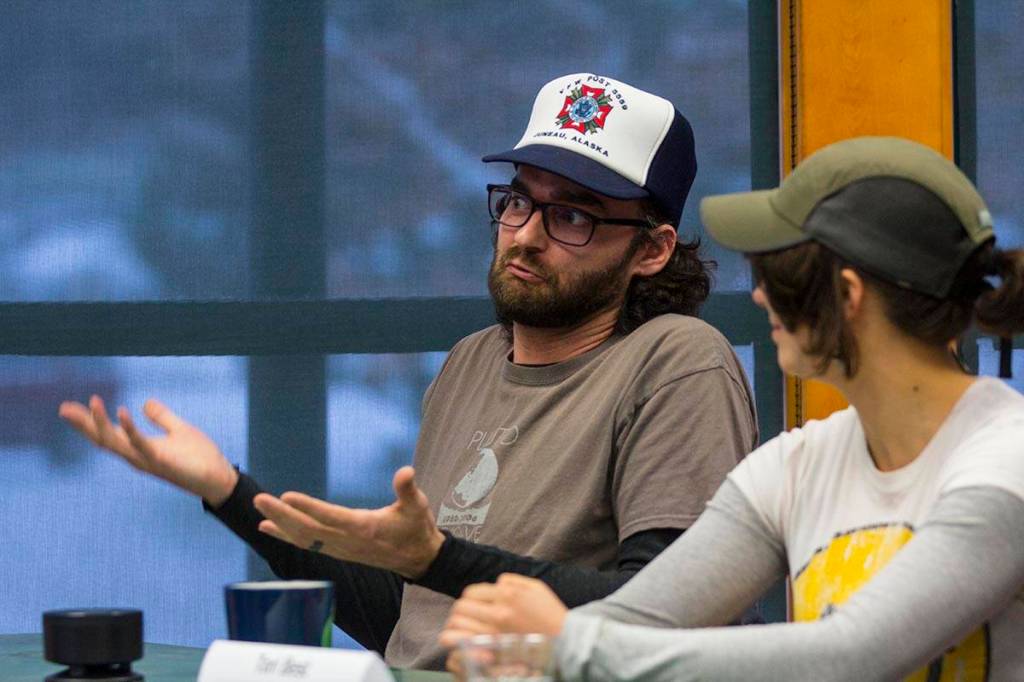
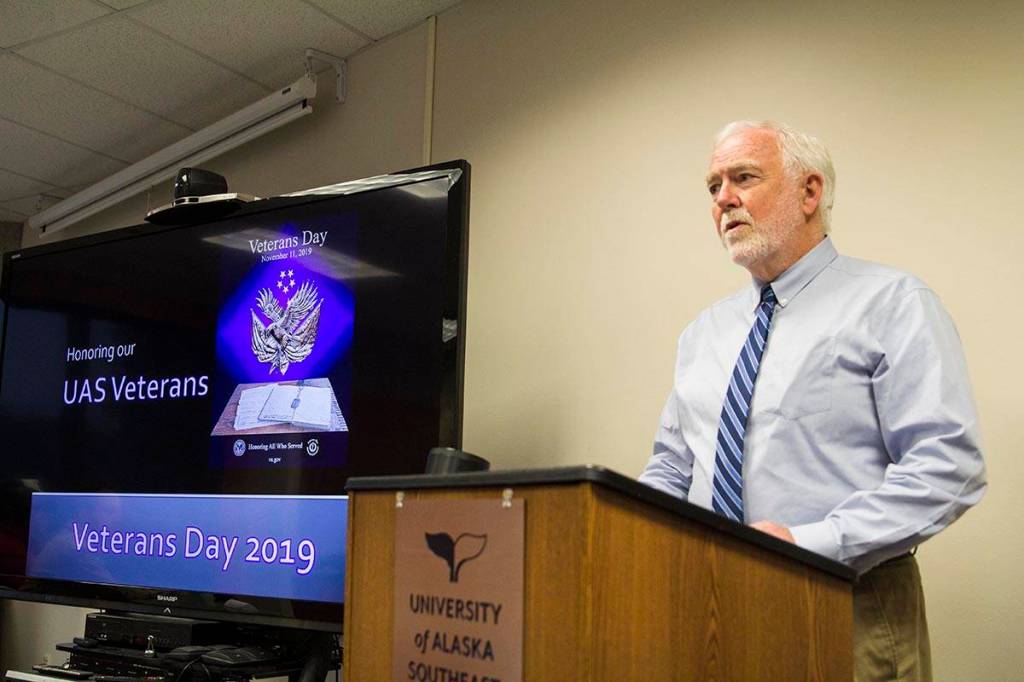
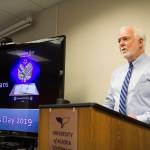
University of Alaska Southeast Chancellor Rick Caulfield spoke at a Veterans Day celebration held by UAS on Monday, where some of those student veterans took part in a panel answering questions about reentry to civilian life.
“I’m really pleased we’re going to hear from our students that have served in the past,” Caulfield said. “We’re here to serve you because you’ve served all of us as Americans.”
With educational benefits available to service members exiting the military, many of those veterans return to college, studying something they’re interested in or maybe just learning about who they want to be. More than 80 people are using veteran benefits at UAS, said Deborah Rydman, Department of Veterans Affairs certifying official.
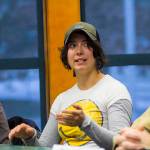
“The best part was the newfound freedom. It’s also the worst part,” said Tori Best, an elementary education major and former Marine combat engineer. “You realize you have to get back to life right away. You go through your transitions and realize life isn’t always a straight road.”
While the military doesn’t dictate every aspect of one’s life, it does offer clear ways to succeed while one is in it. Work hard. Know your job. Be clean. Exercise military discipline. Be where you’re supposed to be, wearing what you’re supposed to be wearing. But it’s trickier to nail down what constitutes success and how to achieve it in the civilian world.
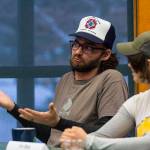
“You’ve been with the same mindset of people, or similar ones,” said Donovan Jackson, heavy duty diesel mechanic major, and a former Army tank driver. “It was a reverse culture shock.”
Other issues came with returning to college — or going for the first time.
“I was at a larger university where I was just a number. And it was a rough transition,” said David Carroll, fisheries and ocean science major and former Marine UH-1N crew chief. “I didn’t want to be labeled that way (student veteran). I wanted to be David, I didn’t want to be Cpl. Carroll or a veteran, I just wanted to be me.”
Carroll said he found this balance much easier to strike at UAS, where he was more free to be who he wanted to be, to live and let live. Other student veterans had similar things to say about the classes or students they found themselves with, finding the differences between their old and new lives.
“You don’t show emotion as much. Especially in our branch, you just get used to it,” Best said. “If I saw someone fall asleep in class, it actually bothered me. I thought I’d fall back in with my friends, but it didn’t work out like that. ”
For others, it wasn’t the other students or life that was an issue, but the things they carried with them after leaving the service.
“I started going to class before getting help for my PTSD and I couldn’t really do it,” Jackson said. “Be OK with asking for help.”
The student veterans also urged other student veterans to use their benefits for all they’re worth, but not to waste them.
“I’ve been told time and time again, use your benefits but do not waste them. Know what path you’re going on,” Best said. “Once they’re gone, they’re gone.”
Reporter Michael S. Lockett previously served in the United States Marine Corps.
• Contact reporter Michael S. Lockett at 757-621-1197 or mlockett@juneauempire.com.