Nonattorney advocates to represent Alaskans in court under new waiver
Published 9:30 pm Wednesday, July 12, 2023


This story has been updated to correct a numerical and an organization title.
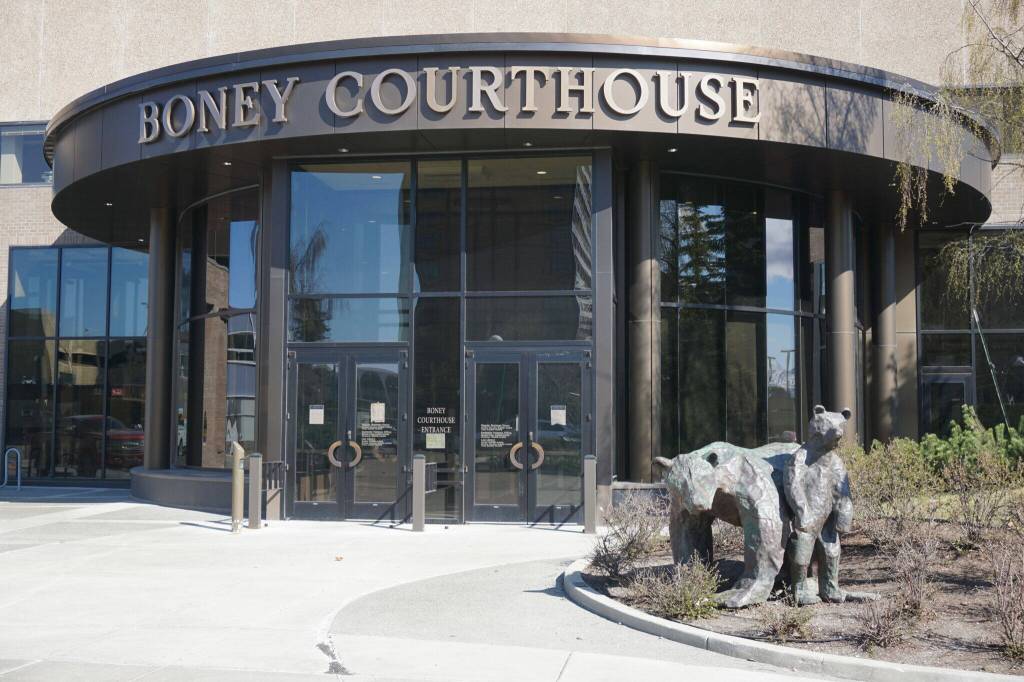
Alaska’s Supreme Court, with support from the state’s bar association, approved a waiver at the end of last year that will allow specially trained nonlawyers to represent Alaskans in court for some issues.
Nikole Nelson, Alaska Legal Services Corp.’s director, said the system is unique to Alaska — no other state has a program quite like it. She said that these nonlawyers with legal training are crucial because there isn’t enough legal representation in the state.
“As long as I’ve been working in legal aid, which is my entire legal career, we’ve faced this problem where we are turning away 50% of the folks who come to us because we don’t have the staff, or resources, or attorneys to help them,” she said. “We’re not meeting the community need, and the lawyers are all on the road system. They’re not in the places where people have needs in our remote communities.”
The waiver is in place, but the volunteers haven’t started their work yet. Alaska Legal Services Corp. is now building out the standards for the training program. Volunteers will have to undergo the training and be approved by the Alaska Bar Association to represent clients in court.
This program is an extension of the community justice workers program, which Alaska Legal Services started in 2019 to increase access to justice for Alaskans. The project is modeled on a partnership with the Alaska Native Tribal Health Consortium’s community health aide program, which places health aids in remote communities. Alaska Legal Services piggybacked on that strategy and embedded civil legal services in those health care settings, too.
Now the community justice workers program trains people who live remotely to help Alaskans with basic legal services, from estate planning to debt collection defense. Since the community justice program started, Nelson said about 200 people have gone through the basic training. Nelson said that with oversight from attorneys, they have helped hundreds of Alaskans get access to justice.
The waiver program would let those volunteers take on more complicated tasks after additional training. A waiver is necessary because it’s illegal to practice law or give legal advice without being a member of the state’s bar.
Nelson said the program takes aim at fixing a fundamental problem in the civil legal system. “We have a system that was built by lawyers for lawyers, and largely serves the needs of lawyers — not the people who are impacted by the problem,” she said. “I think our state is better than most on those issues of trying to build a more people-centered justice system. But that’s still the fundamental flaw of our system.”
Now her organization is waiting to hear if it will be awarded a million-dollar grant from the National Science Foundation to scale up its work around the state.
Nelson said they are currently building the training modules. She said they should be ready to start training the first cohort in October and have volunteers in courtrooms by next year.
• Claire Stremple is a reporter based in Juneau who got her start in public radio at KHNS in Haines, and then on the health and environment beat at KTOO in Juneau. This article originally appeared online at alaskabeacon.com. Alaska Beacon, an affiliate of States Newsroom, is an independent, nonpartisan news organization focused on connecting Alaskans to their state government.