New books tells stories about Alaska’s singular food culture
Published 3:00 am Thursday, December 12, 2019
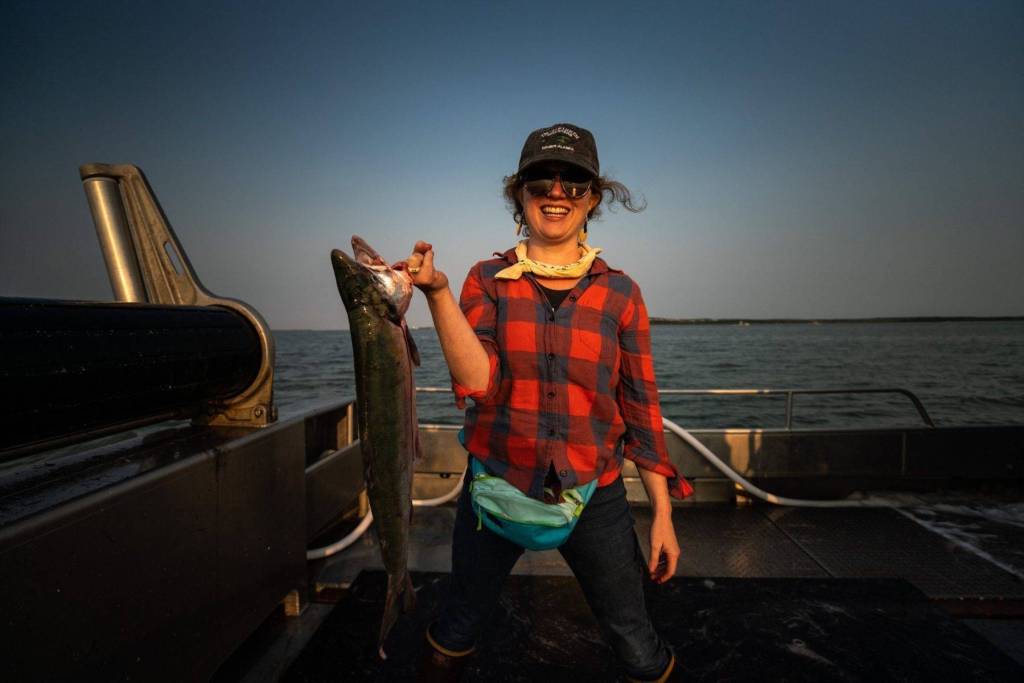

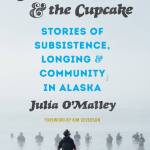
Food is more than fuel — especially in Alaska, says Julia O’Malley.
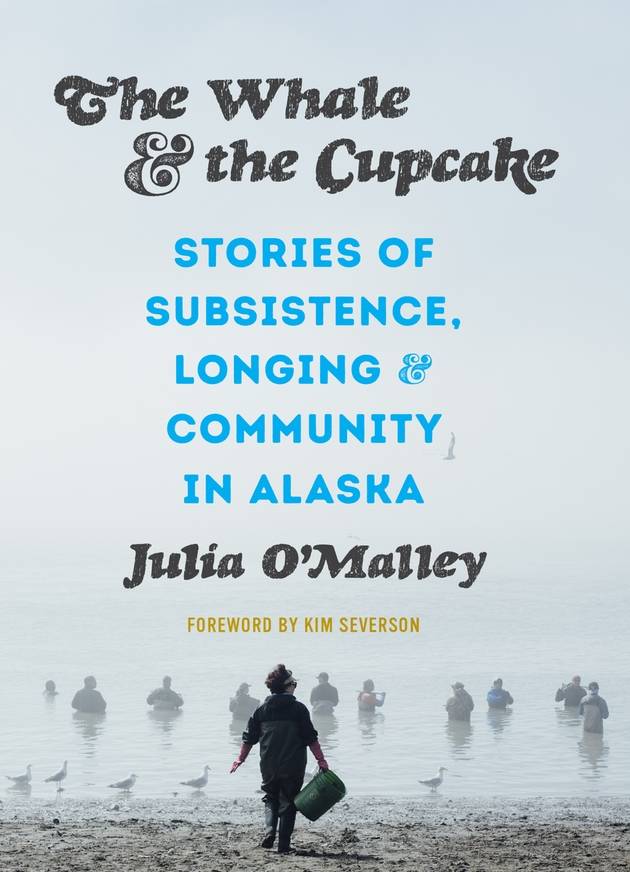
The Anchorage-based food journalist recently published a book, “The Whale and the Cupcake: Stories of Subsistence, Longing, and Community in Alaska,” which is a collection of interviews, photographs and recipes that O’Malley said helps crystallize Alaska’s distinct food culture.
“Food is everything,” O’Malley said in an interview. “Food is identity. Food is connection to history. Food is really identity here because subsistence is this defining piece of Native identity. Food is place. Food is love. Food is a carrier molecule for so many things. Food is not fuel. You’d be crazy to think that. In Alaska, because we are preoccupied with food for so many reasons, either we’re trying to get it or we’re trying to hunt it or fish it, food is a preoccupation in a way it might not be in a place where food is easier to come by.”
O’Malley, formerly of the Anchorage Daily News and current editor of Alaska Public Media, said the recipes in the book are generally approachable, and the book is more focused on exploring Alaska’s food culture.
[New exhibition shows influence from Southeast wildlife and a master carver]
She said Alaskans’ relationship with food is defined by place in a way that’s different from something like the farm-to-table movement, which promotes serving locally cultivated food.
“There’s a really big difference between farm-to-table like California style and how Alaskans engage with wild foods,” O’Malley said. “The thing is we just don’t have much agriculture here. It’s way more that wild food is a conduit to a place, a way of engaging a place. Some people have a sense of spirituality about that and others don’t. It’s different than relying on organic cultivated food.”
While food like salmon, spruce tips or blueberries may be plentiful in some parts of the state and appear in Southeast kitchens, O’Malley said Alaskan food is also defined by what’s lacking.
“That (harvesting from local food sources) is happening at the same time that people are filling a tote at Costco and going back to Pelican,” O’Malley said. “They’re relying on things they have stored in their pantry, so that idea of provisioning and pantry-building, and then they’re still getting cable and they’re watching ‘Barefoot Contessa’ up in Point Hope or whatever, where you’re never going to have the stuff that she makes, but it does cultivate the sense of longing for something.”
That means substitutions are a major part of Alaska cooking.
As an example, she said that could mean using seagull eggs instead of store-bought eggs in a cake recipe.
The federal Migratory Bird Treaty Act makes it illegal to harvest migratory bird parts, nests or eggs. Alaska Natives are allowed to harvest birds in some instances and the law was recently changed to allow the sale of art and clothing that contain inedible byproducts from migratory birds that were taken for food during Alaska’s migratory bird subsistance harvest season.
Cakes, cake mix and a cake recipe all factor into the book, as do pieces on other culinary topics, and O’Malley said the piece about cake mix is likely her favorite in the book.
“I have an affinity for the cake mix one because it was the first story I wrote for The New York Times, and it was placed on the front page,” O’Malley said.
[Yearling black bears are still learning how to successfully be bears]
The piece explores the prevalence of cake mix in remote Alaska villages, and O’Malley said it was based on observations which she said could only come from first-hand experience with Alaska’s food culture.
She said she hopes that culture is something that will stick with readers.
“We actually have a food culture here,” O’Malley said. “It is articulated and defined — connected to sense of place, connected to sourcing and to our sense of self.”
“I just really wanted the book to develop some scenes that help us to articulate what is Alaska cuisine,” she added. “What is our food. I hope that if nothing else, I hope that people might be able to take those things forward into their own kitchen.”