
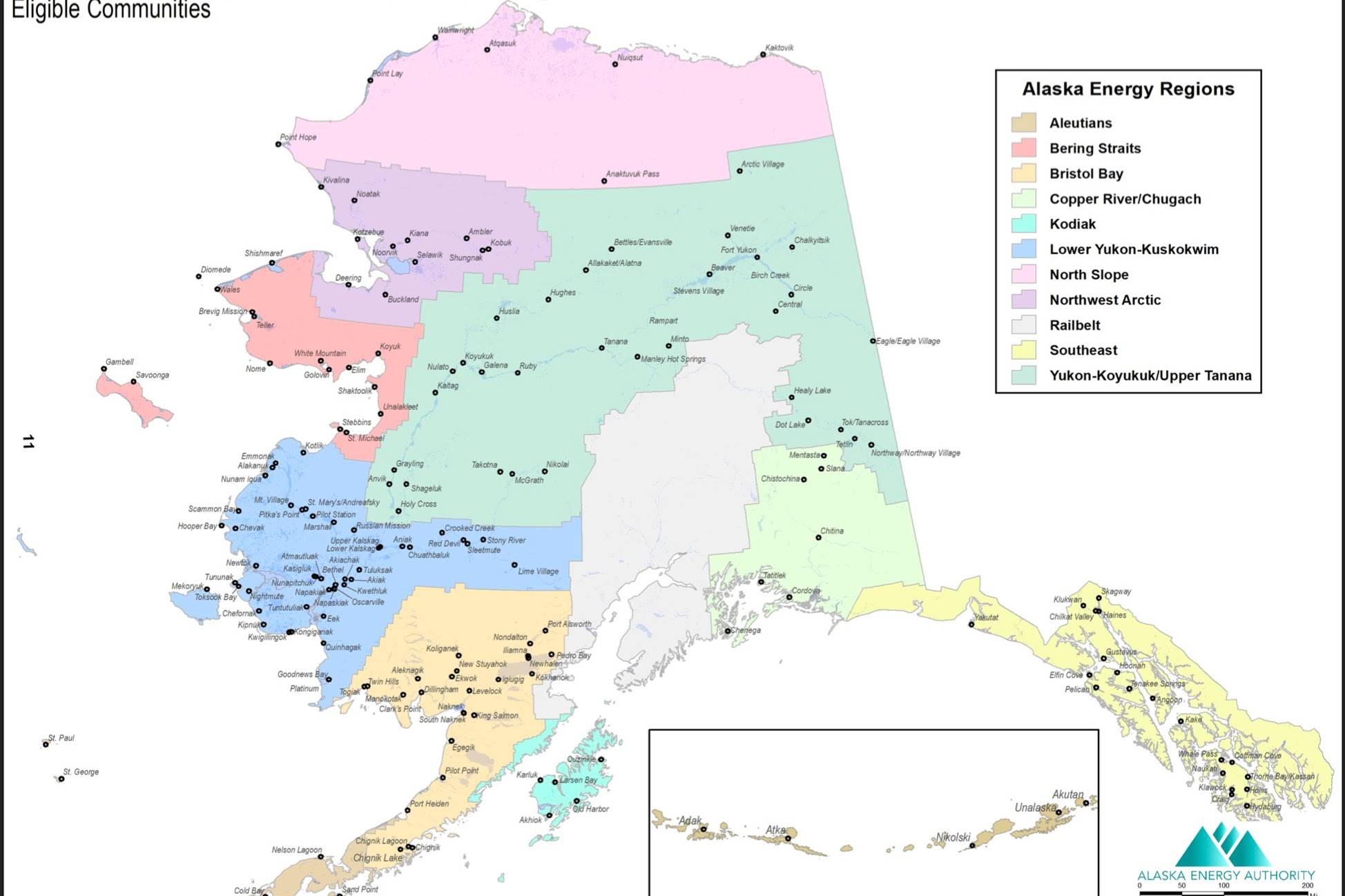
Lawmakers are hoping to amend the call of the next special session of the Alaska State Legislature to allow debate over funding for critical state programs, something not currently allowed under Gov. Mike Dunleavy’s call.
A statement released by minority members of the Alaska House of Representatives Tuesday in support of state programs such as the Power Cost Equalization fund and University of Alaska Scholars program has the body’s leadership hopeful there’s willingness to add those issues to the next special session.
The session is currently limited to items laid out by the governor, but the state’s budget remains partially unfunded with funds locked behind a state accounting mechanism known as the sweep. Lawmakers have been unable to reach the three-quarter vote threshold needed to release the funds as Alaskans dependent on the programs face uncertainty.
Gov. Mike Dunleavy’s call to the summer’s third special session doesn’t allow lawmakers to debate PCE or reversing the sweep. There are multiple avenues available for lawmakers to amend the call of a special session, according to Austin Baird, spokesperson for the House Majority Coalition, and House Speaker Louise Stutes, R-Kodiak, is hopeful lawmakers will be able to find a way to address the reverse sweep in the upcoming session.
A bipartisan, bicameral working group heard several days of public testimony starting last week and heard from several supporters of University of Alaska scholarships, PCE and the state’s only doctor training program, the Washington, Wyoming, Alaska, Montana and Idaho program at the University of Washington School of Medicine.
Following the testimony, House Republicans issued a release with statements of support for the programs from four caucus members.
“Representing communities that depend on PCE, I’m very supportive of protecting the program in perpetuity while looking to reduce reliance on the program for the long-term,” said Rep. Mike Cronk, R-Tok, “As a UA graduate, I also know the importance of preserving the UA Scholars Program.”
[Lawmakers decry ‘bully tactics’ in budget proposal]
In an interview with the Empire Wednesday, House Minority Leader Cathy Tilton, R-Wasilla, said the statement was to show her caucus never opposed those programs but wants to take a different approach at funding them. Tilton said members of her caucus support the governor’s amendments to constitutionalize the PCE program.
The proposed constitutional amendment is on the call of the next special session but many lawmakers want to first address the reverse sweep, which would fund critical programs for this year. The high vote threshold needed to reverse the sweep has traditionally been used as leverage by the party in the minority.
“We just wanted to be sure that Alaskans knew it is not the programs themselves that are the reason why there was not a vote on the reverse sweep,” Tilton said. “In general, members are supportive of the programs, we just want to look at an alternate way of funding those programs.”
Tilton said her caucus is diverse and didn’t have a unified opinion on how to fund the programs.
Statements from the minority were met with praise by other members of the Legislature, including Stutes, who released her own statement thanking her colleagues for expressing support. Hopefully, the minority’s statement showed a willingness to “establish a special session call of our own so that the (Permanent Fund Dividend) and programs vital to our state’s economic recovery will no longer continue to hang in the balance,” Stutes said.
Sen. Bert Stedman, R-Sitka, told the Empire Wednesday he hadn’t seen the minority’s comments but he hoped they meant the lawmakers were willing to take the PCE fund off the table from the year-to-year budget debates.
“They need to get into are they going to support maintaining the endowment,” Stedman said in a phone interview.
Stedman said he wasn’t convinced the governor’s proposal would provide enough long-term funding, and it was important that rural areas of the state not have their power costs subject to political maneuvering when much of the state has built-in power subsidies.
“Railbelt legislators don’t have to work every year for the subsidized electrical rates throughout their districts,” Stedman said. “Their costs are sunk in concrete dams and natural gas credits and subsidies in Cook Inlet.”
Also Tuesday, the governor’s office posted a request for bids from media companies for a $250,000 campaign to promote Dunleavy’s proposed constitutional amendments. The governor’s proposals were unfamiliar to 67% of the responding public, according to a survey cited by the administration in its request.
The call to this special session has already been amended once. Lawmakers asked the governor to move the start of the session back, allowing the workgroup more time to craft recommendations. Dunleavy moved the session from Aug. 2 to Aug. 16, and added his proposed amendment to constitutional both the PFD and PCE to the call.
Dunleavy spokesperson Jeff Turner told the Empire the governor is taking a phased approach to the Aug. 16, special session.
“He wants a policy decision on the PFD and the permanent fund first,” Turner said in an email. “The budget issues can be addressed at the appropriate time by adding an appropriation bill to the call of the special session.”
Turner said lawmakers calling themselves into session is an internal legislative matter.
• Contact reporter Peter Segall at psegall@juneauempire.com. Follow him on Twitter at @SegallJnuEmpire.
