
Juneau Economic Development Council conducts a yearly study measuring the many factors that contribute to the city’s overall economic health. Its 2025 Economic Indicator’s Report is out, and with it, a diagnosis of Juneau’s economic condition.
JEDC Executive Director Brian Holst said the city is fairing well.
“Uncertainty continues to be a major factor in the economy anywhere in the U.S. this past year, but Juneau is doing okay,” Holst said.
Strengths: tourism, mining, state jobs and more
Holst points first to the city’s workforce. In 2024, Juneau recorded the highest number of private-sector employees in its history.
The visitor industry continues to grow as well. The city first broke 1 million cruise ship passengers in 2016. Juneau saw a record number of 1.7 million passengers last season.
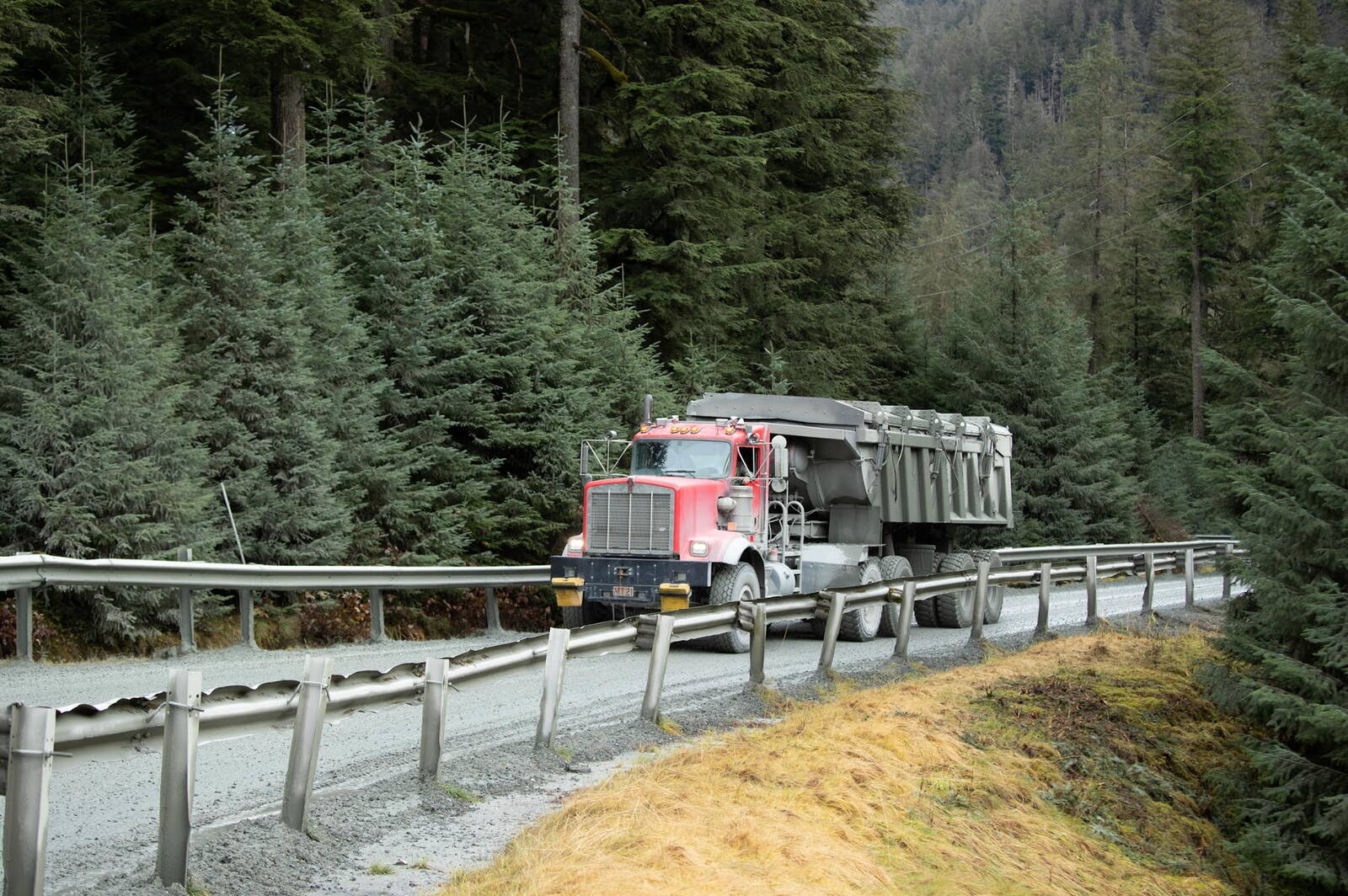
The mining industry remains one of the strongest economic contributors, offering some of the highest paying jobs in the city. Kensington and Greens Creek mines — two of the six major producing mines in the state — also have grown their employment for the past four years.
State employment ticked upward slightly in 2024 for the first time since 2012. Holst said JEDC and the Department of Labor speculate state job cuts may have bottomed out after years of reductions.
“There is some level where we can’t reasonably go much lower, or it just becomes too hard to fill those services, and we may be at that level now,” Holst said.
Juneau housing costs remain high. Relative to the rest of the country, however, it has become more affordable. Holst emphasized that housing prices in Juneau are not falling, but housing costs elsewhere are climbing even faster.
A decade ago, a comparable house in Juneau cost nearly 50% more than the U.S. average. Today, that gap has narrowed to about 30%.
“It used to be a lot less expensive to choose to leave,” Holst said. “When you’re, when you look out at the other options, it’s not that much less expensive anymore.”
Weaknesses: population and year-round residents
Despite a well-rounded economy anchored by tourism, mining, ocean products, and arts and culture, Juneau continues to lose people.
The city’s age makeup is changing as well. Seniors represent Juneau’s fastest-growing population group, leaving fewer young, working-age residents to support the local economy.
The city’s overall population has fallen by roughly 2,000 residents since its peak of 34,200 in 2015. That slow and steady downward line matches the population trend for Southeast Alaska.
At the same time, the share of nonresident workers — people who work in Juneau but live outside Alaska — has reached its highest point in 2024.
Mines, in particular, struggle to hire locally. To fill shifts, they offer flexible schedules — such as two weeks on, two weeks off — that allow employees to fly in for work and fly home to out-of-state residences. Cost of living and tight housing availability remain the main reasons workers choose not to live in Juneau.
“We have the demand for these jobs that pay well, but we don’t have the workers in our communities that are taking these jobs,” Holst said. “So, we don’t get the full economic benefit of these great jobs.”
Read the full economic report at jedc.org/economic-indicators/.
