Juneau marijuana sellers have biggest year yet
Published 1:30 am Friday, February 8, 2019
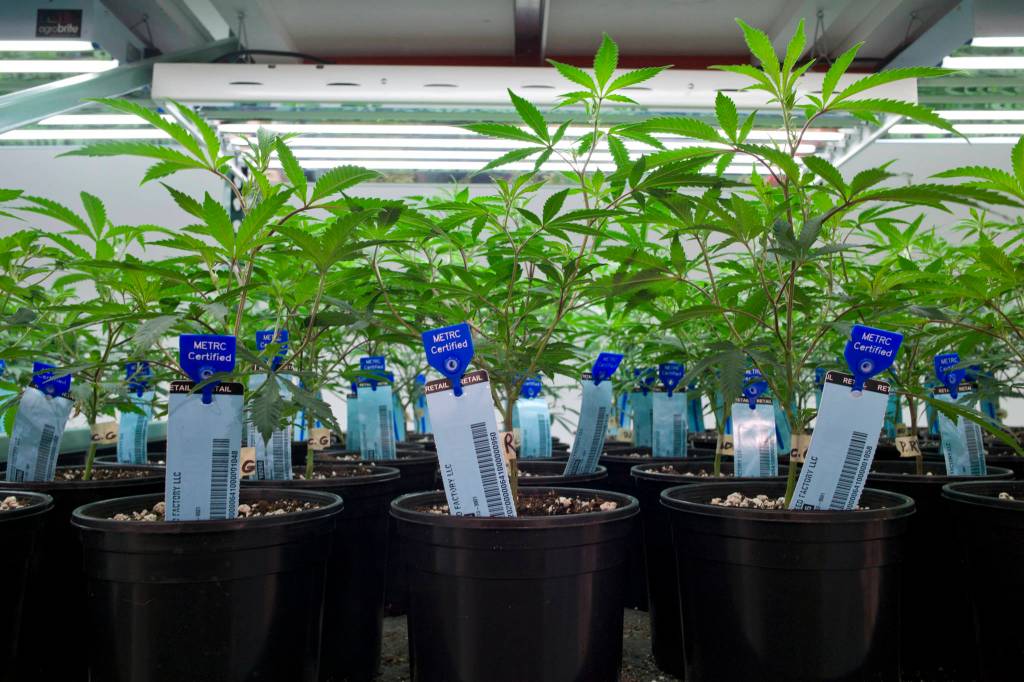
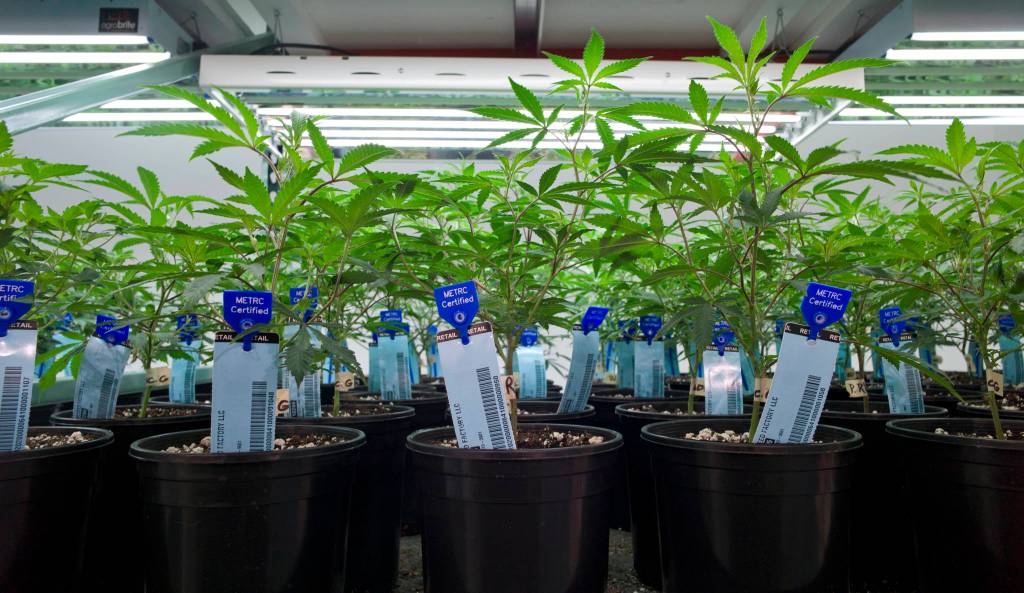


Alaska’s second full year of marijuana sales came to an end in December, yielding more than $17 million in tax money for the state in the calendar year, according to numbers released this week.
This past year accounts for the bulk of marijuana tax revenue in the state’s brief legal marijuana history, according to the latest Department of Revenue numbers. Since companies could start selling marijuana in Alaska in October 2016, the state has collected just over $22 million. Anchorage ($7.1 million) and Fairbanks ($6.9 million) have contributed the most tax money to the state. Southeast Alaska has produced $1.8 million in taxes.
In Juneau specifically, six marijuana sellers collected just shy of $600,000 in taxes for the state in 2018, according to figures provided from the DOR. That’s about 3.4 percent of the statewide revenue.
It’s not possible to compare that figure with Juneau’s 2017 totals, DOR Excise Tax Manager Kelly Mazzei explained via email Thursday. Due to state confidentiality statutes AS 43.05.230(a) and AS 40.25.100(a), the department doesn’t release how much any particular taxpayer pays, Mazzei explained. The department needs at least three sellers to be in a city in order to aggregate the tax figures, and there can’t be a single taxpayer who paid more than 80 percent of the city’s total, Mazzei said.
Mazzei said 2018 is the first calendar year where there were enough sellers in Juneau (six) where the department could release the tax figures.
[Two years on, Alaska’s marijuana industry keeps growing]
In December, the state collected $1.49 million, an improvement from $1.44 million the previous month. Both of those totals are well below October 2018 ($1.84 million), which was by far the state’s most lucrative month in terms of marijuana tax collected. Juneau sellers collected $83,000 in marijuana tax, Mazzei said.
Taxes are paid at the wholesale level in Alaska, because cannabis moves from grower to retailer or manufacturer. Bud or flower is taxed at $50 per ounce, malformed, immature or seedy buds are taxed at $25 per ounce, and other plant parts are taxed at $15 per ounce.
In December, licensed cultivators sold or transferred 1,558 pounds of flower and 1,030 pounds of trim to either retail stores or product manufacturers, according to DOR numbers. In total since October 2016, 152 cultivators have collected marijuana tax, according to the latest DOR statistics. Of those 152 taxpayers, 21 didn’t have any taxable transactions in December, and 10 are no longer in business, the DOR monthly report stated.
Tax payments can be made in cash, checks, money orders, cashier’s checks or wire transfers. In December, 73 percent of payments were made in cash, which is about average according to DOR. The Mat-Su region has the most cultivators, but Anchorage and Fairbanks continue to have the highest number of taxable transactions.
• Contact reporter Alex McCarthy at 523-2271 or amccarthy@juneauempire.com. Follow him on Twitter at @akmccarthy.