Juneau Climate Change Solutionists: Protecting Forests through Indigenous land management with Richard Chalyee Éesh Peterson
Published 10:30 pm Wednesday, March 3, 2021



By Anjuli Grantham
Twenty-six percent of human-created carbon emissions return to the earth through natural processes. Yet ecosystem degradation threatens the natural systems that move carbon from the atmosphere into living plants and soils. Those lands—all lands—are Indigenous lands. Devastated ecosystems are also devastated homelands.
For residents of Southeast Alaska, our greatest role in the global fight against climate change is to protect our land, including the Tongass National Forest, and the Indigenous tribes who have served as ecosystem stewards since time immemorial. We must preserve the carbon sinks that naturally perform carbon sequestration in order to preserve a habitable planet. We also must elevate those who have been the fiercest advocates for these essential ecosystems, Alaska Native tribes.
Project Drawdown lists forest protection as the 38th of 80 most effective solutions to averting climate change. Right on its heels is Indigenous land management, coming in as the 39th solution. Indigenous peoples’ land management is an effective means to prevent climate chaos because Indigenous practices are based on the millennia-long stewardship of specific, functioning ecosystems. When Indigenous people lose land rights and are separated from land management, deforestation and land degradation follows.
[Preserving wetlands with Koren Bosworth]
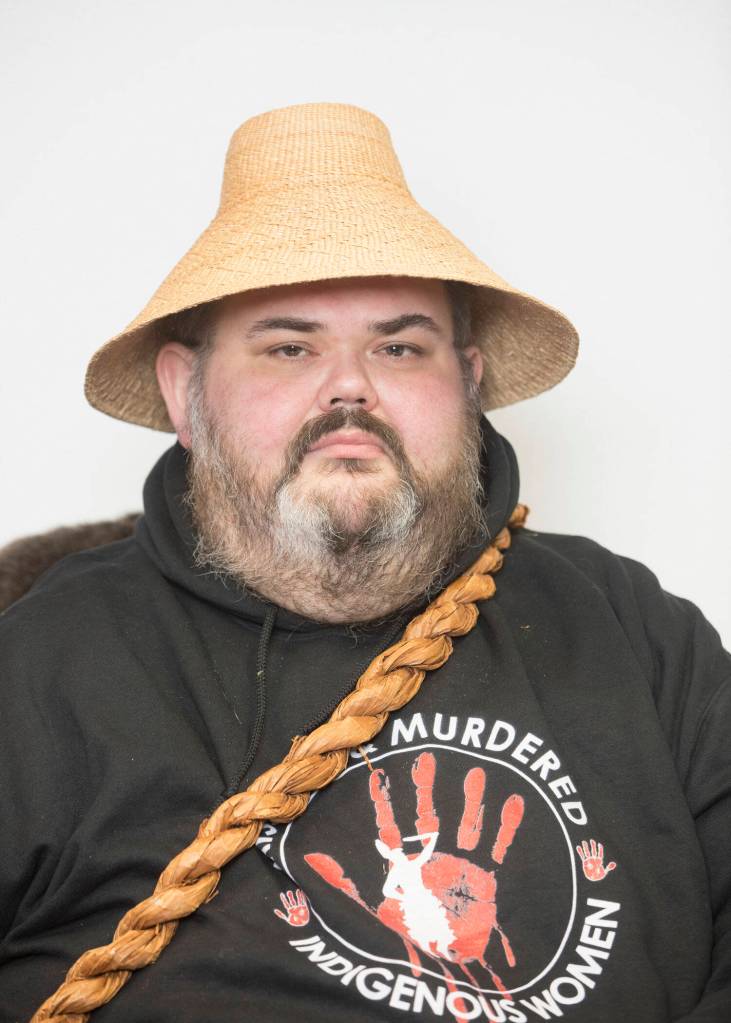
“When we talk about the Tongass, we are people of the Tongass,” Richard Chalyee Éesh Peterson says. “From seed to canoe, we have watched these forests grow.”
From seed, to sapling, to mature cedar, until that tree is harvested and carved into a sleek watercraft: generations of Tlingit people have taken part in this cycle. After 10,000 years, “we still have that lifestyle, that diet, we still fish in our traditional areas.”
The 16.8 million-acre Tongass National Forest sequesters more carbon than any other national forest. As one of the world’s last remaining temperate rain forests, its very existence provides critical climate-related services to the planet.
Yet unsustainable logging practices promulgated by businesses, the state, and federal forestry managers have harmed the health of the Tongass and the health of Alaska Natives.
Take, for instance, what occurred in Kasaan on Prince of Wales Island during Richard’s tenure as mayor of the village. Loggers clear cut areas of the Tongass surrounding the village. The loggers followed the law and left the required buffer of standing trees surrounding streams. But a windstorm devastated the exposed trees, causing the destruction of the watershed and Kasaan’s municipal water source.
“We were on a boiled-water notice for a year,” related Richard, now President of the Central Council of Tlingit & Haida Indian Tribes of Alaska.
Accepted Western forestry practices did not protect the forest, the watershed or the people of Kasaan.
“To respect your resources, you must respect yourself. When you have a toxic view of yourself and everything else, that is how we manage the resources. A healthy forest means healthy people,” says Richard.
A new partnership between CCTHIA and the U.S. Forest Service embraces Indigenous forest management practices with the intention of creating healthy forests and health communities. The new Indigenous Guardians program is modeled after First Nations and federal government co-management paradigms instituted decades ago in Canada. The program assures partner entities will have a recognized role in the management of the Tongass National Forest.
“We will be working hand in hand on forest management at all levels,” explains Richard. “Taking our traditional and ecological knowledge and integrating that in the management system will create a forest that will produce for generations.”
The new Indigenous Guardians program includes watershed restoration, monitoring of cultural sites, and subsistence planning. It provides funding for tribal science, aspires towards ground-up policy making, and will enhance the health and economies of tribal communities.
Moreover, the climate-related implications of this program are also promising. Studies show that community-managed forests increase carbon storage by 2 tons per acre per year.
A healthy Tongass supports the very ability of our planet to sustain human life as we know it. With Indigenous people leading forest use and forest protection efforts, there’s hope the Tongass can sustain us for the next 10,000 years, as well.
Posters from the Juneau’s Climate Change Solutionists project will be featured at Coppa during the month of March.
• Anjuli Grantham is a public historian and museum curator who serves on the board of Renewable Juneau and is Vice Chair of the Juneau Commission on Sustainability. Juneau’s Climate Change Solutionists is a series that features 10 local solutions to climate change and 10 people who exemplify the solutions. The solutions are based on Project Drawdown, a global project that quantifies the most effective methods for halting global warming. The series was produced with support from a Juneau ArtWorks grant. It appears weekly in the Juneau Empire.