
This article has been moved in front of the Juneau Empire’s paywall.
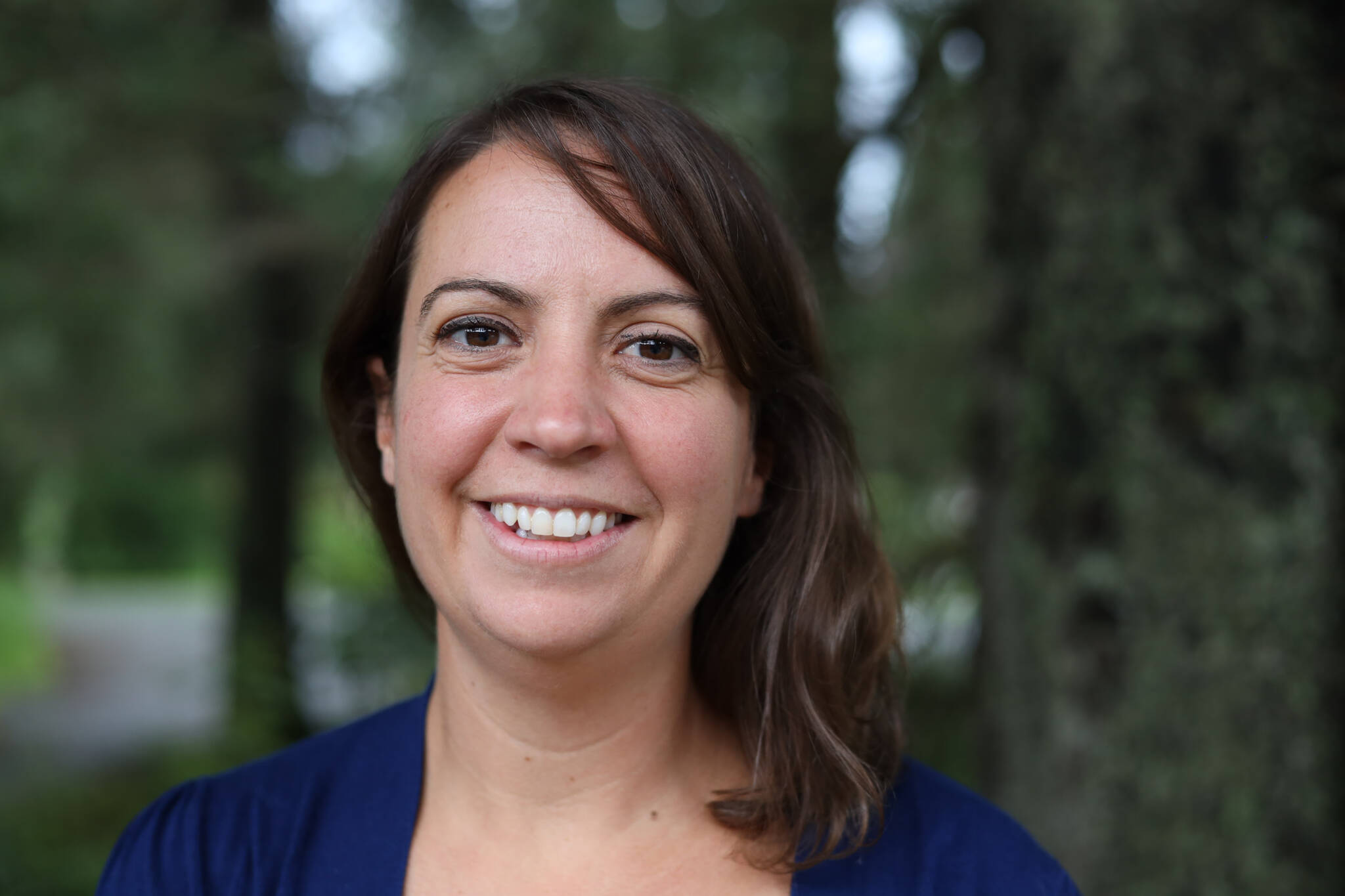
Christine Woll: Assembly District 2 Candidate
Age: 38
Occupation: Executive Transition Guide at The Foraker Group
Bio shared by candidate: “When I moved to Juneau in 2012, I knew it was the place for me. Serving on Juneau’s Assembly for the past three years has been an incredible way to have impact in the community that I love. I currently serve as the chair of the Finance Committee and the City Manager Recruitment Committee. I’m proud of the work the Assembly has accomplished, from steering the city through the pandemic to focusing resources on affordable housing, public safety, and childcare. A fisheries scientist by training through UAF, my professional career has included working with Southeast towns to responsibly manage their lands and waters and consulting with organizations to train and hire Alaska’s next generation of leadership.”
This conversation has been edited for length and clarity.
Why do you want to continue as a member of the Juneau Assembly?
I’m running for reelection because the last few years have actually been really rewarding in terms of ability to have an impact on the community that I love and that I live in. I ran the first time during the pandemic and it was a very tangible way to have impact in the community. But I’ve been really kind of amazed at how the Assembly gets to tackle these complex issues that affect everybody’s lives like child care, tourism and housing.
I’ve seen us make progress, but these are really complex issues that aren’t going to be solved overnight. But those challenges energize me, and I think I’ve got the skills and experience to continue that work.
Describe your knowledge and involvement with Juneau’s municipal government and what you think the strengths and weaknesses of it are based on those experiences.
I have been on the Assembly for three years, this is closing out my first term. Before being on the Assembly, I actually worked in a few other municipal roles — I served on the Juneau Commission on Sustainability for several years, as well as the Downtown Blueprint Steering Committee.
I think one of the strengths of our municipal government is that we have a lot of people — whether that’s on the Assembly, at the staff level, or the public that serve on the advisory bodies — everyone is really focused on solutions. They’re actually saying “what are the big things that our citizens are asking for?” and “what creative things can we do to try to address those?” So, I think we do a good job of that.
I think some of the weaknesses is that local government is not super accessible to most people. I imagine that’s the case in many communities. But I definitely talk to a lot of people who really have no idea what the Assembly does, what different departments do. Maybe they come to a meeting and they’re like “I don’t even know what you guys are saying” because we have all these rules.
I think we probably need to radically reimagine how we reach voices that we don’t normally hear from, and help people feel like coming to an Assembly meeting or serving on an advisory committee is something that is going to be a worthwhile endeavor for them.
Are you against, or in favor of the proposal for a new City Hall? What are your thoughts on the decision by the Assembly to both put it on the ballot again after it failed, and to fund an advocacy initiative?
I voted yes to put City Hall on the ballot and for the advocacy funds. I am in favor of a new City Hall, and I think most people understand that it is more cost effective to own your building rather than renting your building. We do own a building right now — but we rent a ton of space across the city to meet our needs, or our building is not in great shape.
So we’re going to need a new building at some point and the sooner we own a building that’s large enough to host our city employees the more money we’re going to save taxpayers. It’s the fiscally responsible thing to do.
You know, I wish we didn’t have to put it on the ballot twice. I wish it passed the first time, but unfortunately last year was tricky because the state changed the rules about how city governments are allowed to engage in informing the public about ballot initiatives. So in the past the city would have been able to provide information to the citizens, but the state changed its rules so that the city couldn’t provide information to the citizens without specifically flagging those funds as advocacy funds.
So last year the city couldn’t provide citizens the information about why City Hall was a good decision, so this year myself and other Assembly members felt like the citizens need to have that information to make an informed choice.
We’re willing to call these advocacy funds because that’s what the state says they have to be called. I’m not suggesting that the city needs to be out there doing intense campaigning, but they need to be able to provide information. I’m hopeful that the public will see those advantages and have a little bit more information this time, and we’ll see what they decide.
What is your assessment of how much the city taxes its residents versus the amount of public services it provides to them? Specifically, outline what adjustment in each of those areas you’d advocate changing as a continued member of the Assembly.
It’s always a balance between what community services they say they want and the tax rate to be able to afford those things. I do feel like the last few years,we’ve tried our best to balance those two things. However, costs have gone up significantly in all sectors and that’s been unfortunate. Just like many other people, my mortgage has gone up because my property taxes have gone up as well.
I definitely am empathetic for people who are feeling strapped right now as their expenses rise. If there are things that I would like to adjust in the future, I think we need to keep watching our vacancy rates in the city in terms of open positions. The police department right now has 14 open positions.
We (the current Assembly) have made some financial investments in recruitment and retention, especially in those hard hit departments — hopefully some of those initiatives will help fill some of those positions.
But as we think about the budget moving forward I want to make sure we have flexibility. So if that’s not enough to provide essential city services we need to make sure we prioritize paying the people whose job it is to provide those well enough that they stay.
How can the Assembly better balance the growing cruise ship tourism industry’s impact on the quality-of-life of residents, specifically regarding affordable housing, environmental impact and overall cost of living?
I think we have done a decent amount of surveying of the public in terms of what they think about tourism. It’s fairly consistent that people recognize that tourism is super important to our economy, but they want the city to do more to mitigate the impacts it has on quality of life.
I’m proud of some of the things the Assembly has done in terms of being more proactive with the five-ship limit, and other agreements that we’ve made with the cruise industry to make sure that people are less impacted by noise and pollution. But I think this summer made it clear that we need to do more.
I think it’s unacceptable to have residents not be able to ride the bus because there are tourists on the bus. That either means we need to beef up our infrastructure, or we need to slow the growth of the number of people who are coming into our community. So I definitely think there’s more we can do there that can help with these quality-of-life issues.
I think we need to slow the growth and that’s going to take some proactive limiting measures. If ships just keep getting bigger, then to be doing more to see a plateau of visitors coming. But you know we’re always going to be trying to catch up, I think, in terms of our infrastructure.
My number one priority for the next three years is housing. We are in a crisis and it affects every part of our economy. If we don’t have enough housing, I definitely know of people who are trying to hire great candidates and can’t find them a place to live here.
The Assembly has taken a lot of different approaches. We’re working on financial incentives so that people who own property or people who are developing property are supported in building higher-density housing than they would otherwise. I think there’s stuff we can do to open up more city land for affordable housing. Our zoning and our codes really don’t serve us. When it comes to higher-density housing there’s a lot we can do to kind of clean up that code. So that people can build higher-density housing where they want to be doing that.
Are there any substantial matters that we didn’t get around to talking about that you think is pertinent to discuss?
I’ll just speak to my own qualifications a little bit. I do think that experience matters in doing this job. It’s taken me three years, I feel like I understand how the city works. It’s easy to understand the challenges, but figuring out the levers that you can pull to actually make progress and fix things takes a while.
I’ve been able to be a bridge builder. I’m good at working with people who don’t agree — whether that’s other Assembly members or members of the community — in helping them kind of see that the larger goal is solving problems. A lot of times we have the same challenges that we’re trying to address. Helping people get on the same page and agree on the goal, we can figure out how to get there together. If I’m reelected I’d be happy to bring those skills and experience to the work that I do.
• Contact reporter Clarise Larson at clarise.larson@juneauempire.com or (651) 528-1807.
