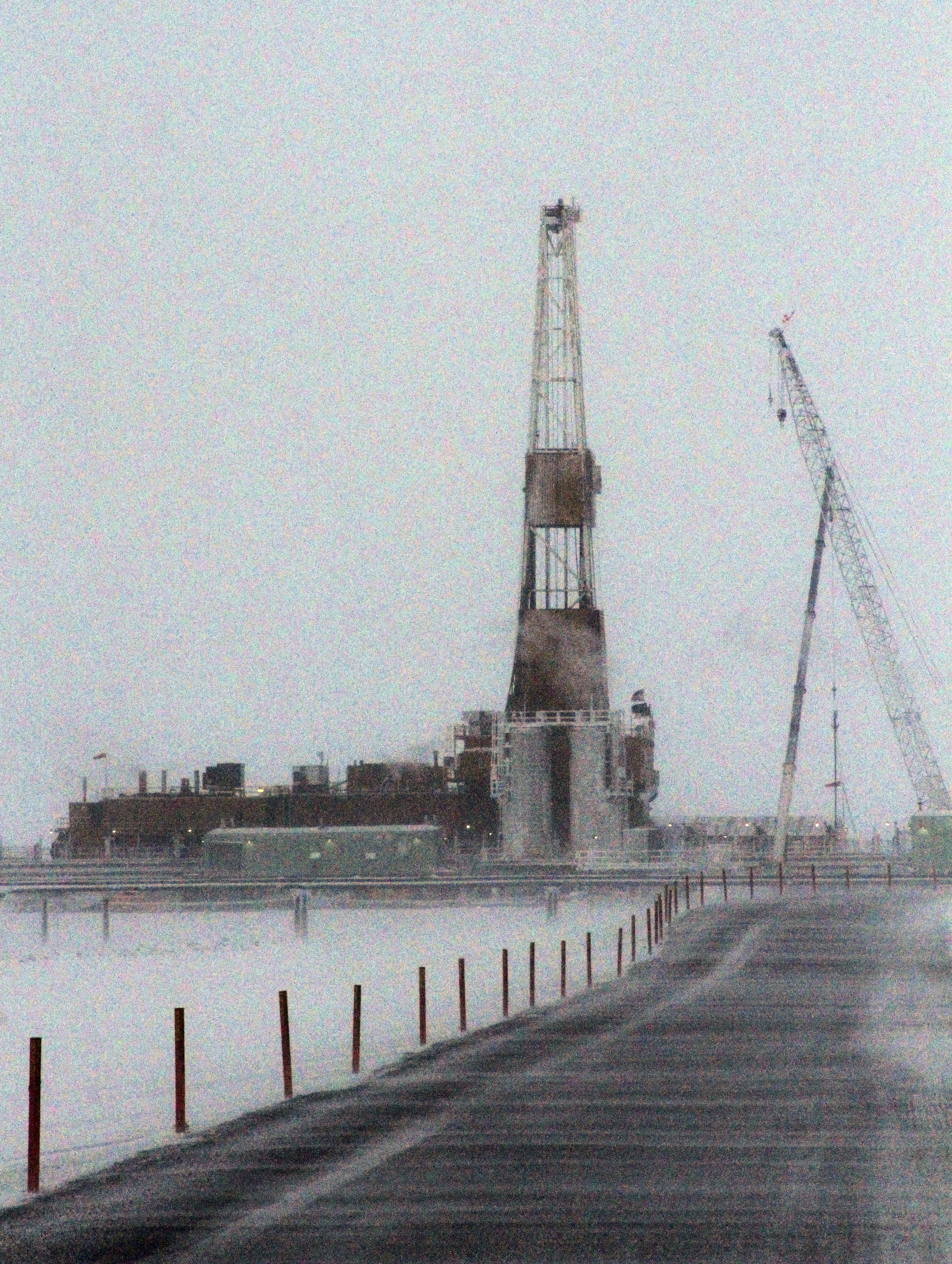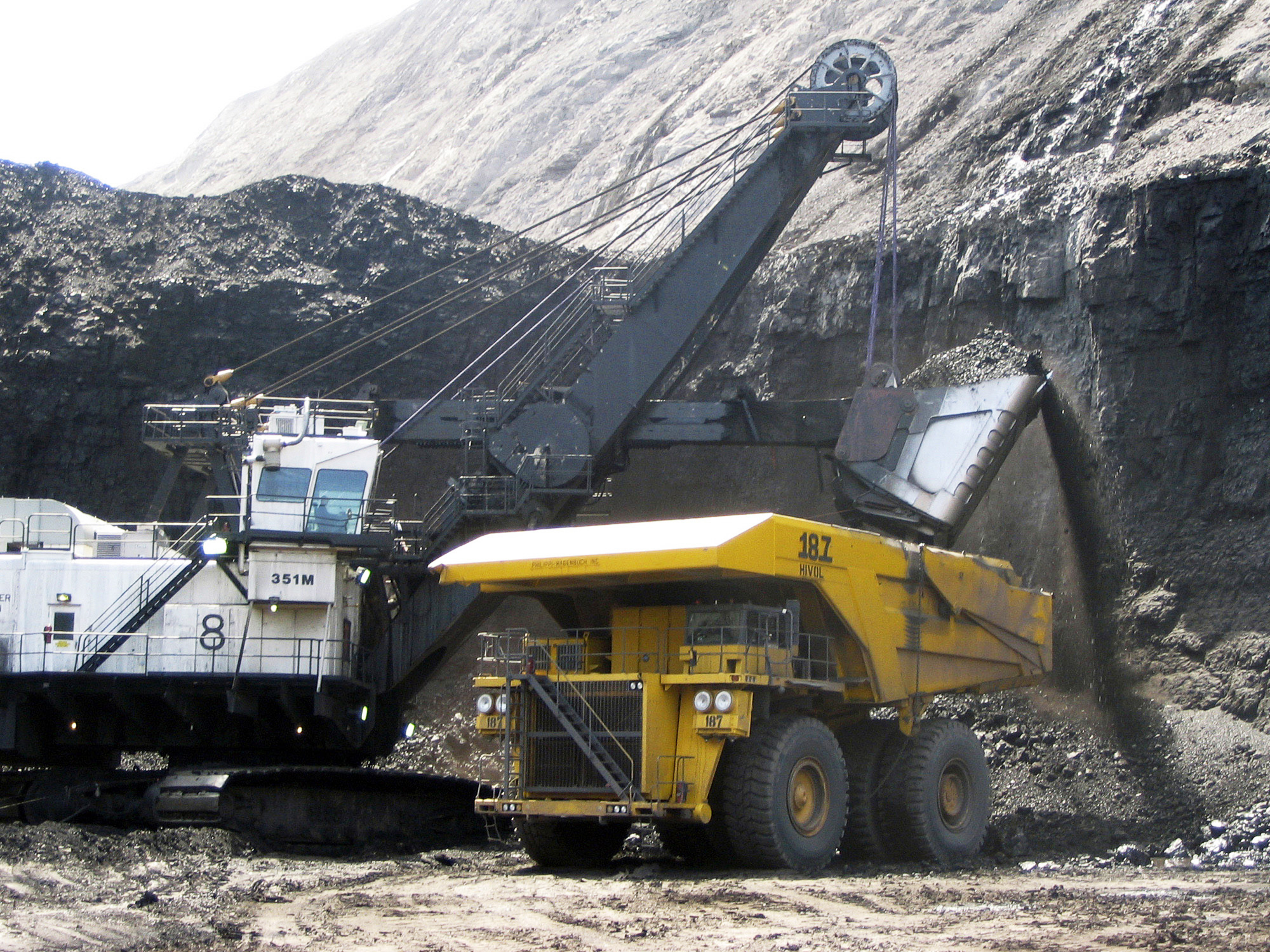
Six of the country’s major energy-producing states have slipped into recession after a sharp decline in production and exploration over the last 18 months caused their tax revenue to plummet and job growth to stagnate, according to a financial analysis released Tuesday.
Alaska, Louisiana, New Mexico, North Dakota, Oklahoma and Wyoming each saw negative growth during the most recent fiscal year, according to the report from S&P Global Ratings.
“Initially, the downturn was felt in state finances,” S&P analyst Gabe Petek said. “Now this has really spread throughout their economies and highlights the risk of a concentrated economic base.”
Alaska, which has relied heavily over the years on oil revenue to fund state government, has burned through nearly $13 billion in savings over the last four years to deal with the price declines in the energy sector.
The state has closed job and public health centers, inspections of restaurants in rural areas have been done only as time permits, state prosecutors have been focused on only the most serious offenses, and the state transportation department has cut back on equipment operators. The state has cut jobs, furloughed workers and is selling search-and-rescue aircraft and ferries.
The budget trouble is not limited to just energy-producing states, although they are among the hardest hit. A recent survey by The Associated Press of the state budget picture in all 50 states found that two-thirds of them are currently dealing with a shortfall or expect to confront one in the coming fiscal year.
Experts say state economic growth has been slower than expected, with tax revenue in some places failing to meet projections or keep pace with rising costs for health care, education, public employee pensions and other areas.
At the same time, states are facing budget uncertainty tied to policies advocated by President Donald Trump and the Republican-led Congress. These include a possible overhaul of Medicaid, which could result in less federal money for the state-federal program that provides health coverage for lower-income Americans.
It remains to be seen what effect Tuesday’s decision by Trump to revive plans for the Keystone XL and Dakota Access oil pipelines will have on state economies. Supporters say construction of the pipelines will create jobs, although it’s unknown how many or for how long.
The falloff in oil and gas drilling has dragged down the nation’s economy as a whole for the past two years. Fewer drilling rigs have meant less demand for steel pipe and for the rail cars that ship oil and gas. Those cutbacks contributed to sluggish growth in the first half of 2016.
Yet there are few signs the struggles of the six states singled out by S&P will drag down the broader U.S. economy. Growth nationwide rebounded to an annual pace of 3.5 percent in the July-September quarter, and those states combined account for just a small share of U.S. economic output.
Oil prices have stabilized after members of OPEC agreed to cut production, limiting supply. Petek said that likely will keep prices where they are now, but they are unlikely to return anytime soon to the highs seen before the current energy slump.
In Oklahoma, where nearly one in five residents is employed either directly or indirectly by the oil and gas sector, lagging energy prices have triggered declines in income, sales and motor vehicle tax collections. A $1.3 billion budget shortfall last year led to major cuts to programs and services. Lawmakers are facing another hole estimated at nearly $870 million, or about 12 percent of state spending, for the fiscal year that begins July 1.
In New Mexico, the lower prices for oil and natural gas have sent shock waves through the state’s economy and government finances. The state relies on oil and natural gas revenue to fund about one-third of its budget and has depleted a reserve fund that once stood at more than $700 million, or roughly 11 percent of annual spending.
An emergency legislative package to address an $80 million budget shortfall would cut funding to local school districts, postpone construction projects and limit economic development incentives.
“Right now, we are dealing with a crisis situation,” Democratic state Rep. Patricia Lundstrom said recently. “We have a lot at stake here. Are we writing bad checks? Are we lowering our bonding capacity? That really hurts local governments.”
• Associated Press writers Becky Bohrer in Juneau, Alaska; Morgan Lee in Santa Fe, New Mexico; Sean Murphy in Oklahoma City; and Chris Rugaber in Washington contributed to this report.