Dispute about salmon and whales between Alaska and Washington again before federal regulators
Published 9:30 pm Tuesday, October 3, 2023
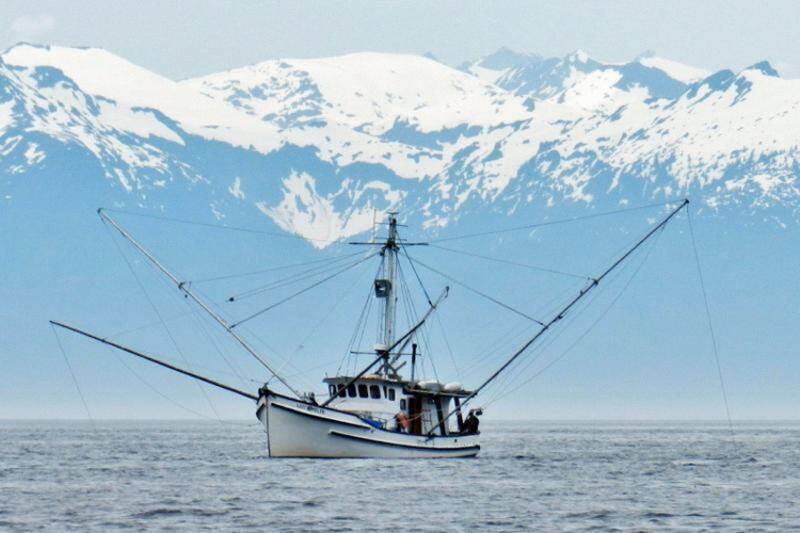
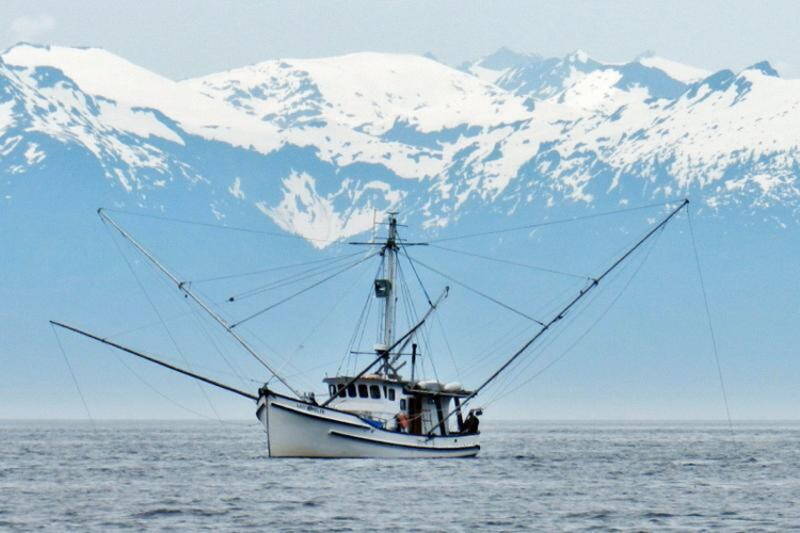


The fishing of chinook or king salmon is back on the desk of the National Marine Fisheries Service, part of the whipsaw rulings this past summer that saw the king salmon season shut down — and then reinstated — as a case brought by environmentalists wound its way through the courts.
NMFS issued a notice Wednesday it is beginning work on an Environmental Impact Statement (EIS) and a review of alternatives to its incidental take statement (ITS). The ITS is the amount of take allowed to occur in compliance with the Endangered Species Act.
NMFS is accepting public comments through noon on Nov. 20, said Gretchen Harrington, assistant regional administrator for the Sustainable Fisheries Division. The EIS is required under the National Environmental Policy Act (NEPA).
The case, Wild Fish Conservancy v. Quan, was filed in U.S. District Court in March 2020. Lawyers for WFC argued fishery managers and representatives of the Pacific Salmon Treaty were ignoring their own research by allowing fishing that harmed the endangered king salmon and the southern resident killer whale population, which feeds on them.
The U.S. District Court ruled in favor of WFC in May, invalidating a document used by NMFS that stated salmon trollers could harvest chinook without harming southern resident orcas. That was significant because the Endangered Species Act requires the document.
Then a three-judge panel on the 9th Circuit Court halted the portion of the ruling that closed the fishery in late June, stating the lower court had outweighed “speculative environmental threats.” The rest of the ruling remains in place, although the 9th Circuit Court signaled it intended to pick the case up again.
NMFS is working to address issues raised by the lower court. “The court pointed out problems with the biological opinion, and the document that covers the Endangered Species Act,” said Harrington. A separate EIS regarding increase in prey is being conducted by NMFS in Washington State.
Harrison said NMFS will analyze the impacts of alternatives related to its issuance of a new ITS for species listed as threatened or endangered.
The EIS will look at three scenarios in the process that it wants the public to comment on. The first is what happens if the existing ITS stays in place. The second is a new ITS established based on research done during review of the 2019 Biological Opinion. The third is what would happen if there were no ITS, meaning no permits for king salmon fishing.
The third option “isn’t going to happen,” said Harrington, but is needed as a baseline.
The lower court considered various factors in its ruling, including the decline of the southern resident population, which dropped from 98 whales in 1995 to 73 whales as of December 2021, which puts the marine mammals squarely on the endangered list in the U.S. and Canada.
Alaska trollers and fishers argue that barriers to migration play a very small role in the increased mortality of king salmon, which includes habitat loss, stormwater pollution, stream temperature, and natural predators, among other factors, said Amy Daugherty, executive director of Alaska Trollers Association.
“We’re relieved that this is a comprehensive look at impact on king salmon rather than targeting Alaska troll fishery exclusively,” she said.
• Contact Meredith Jordan at meredith.jordan@juneauempire.com or (907) 615-3190.